
Synopsis: Not every expensive purchase is an investment. For an item to qualify as a financial asset, it must be capable of appreciation, resale, and taxation under capital gains rules. This article examines select non-traditional assets through a strict financial lens—how they are treated under tax law, whether they realistically create wealth over a long period.
Most things in life lose their value over time, for example your car, it is worth less the moment it is out of showroom. That brand new iPhone, within a year the next model will make it less valuable. Even money loses purchasing power over time due to inflation. But some things don’t just hold their value, they grow in value over time. The rich put their money in assets that survive recession and outlasts market crashes. Let’s dive deeper into which are those assets-
Asset Analysis with Long-Term Outlook
1. Luxury Collectibles like Watches, Sneakers, Designer Goods
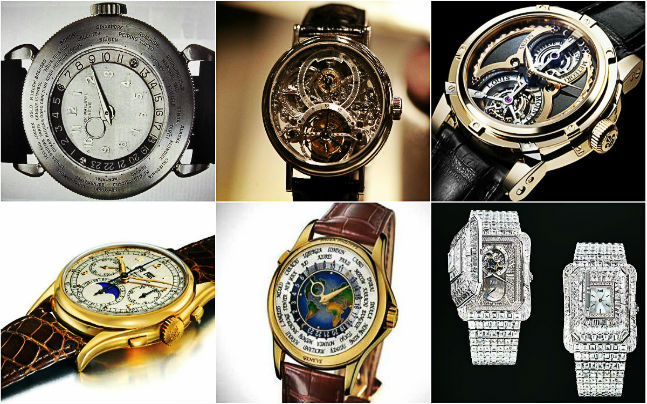
Luxury brands like Patek Philippe, Rolex, and Audemars Piguet limit production, creating high demand and low supply, which often leads to significant price appreciation over time. Many luxury watches appreciate in value over the years, making them a wise financial investment as well. For instance, vintage models from renowned brands often fetch substantial sums at auctions, sometimes far exceeding their original purchase prices. This appreciation is driven by factors such as rarity, condition, and the brand’s legacy.
2. Art and Music

The wealthy invest millions in paintings. For example- People pay millions for Picasso work pieces. Investors buy rights to music catalogs. Benthovan’s music is still played centuries after his death. Shakespeare’s play, classic novels still sell at very high prices. Because true art doesn’t just exist, it lives across generations. Art and music are some of the most culturally and emotionally valuable assets.
3. Gold, Precious Metals and Rare Coins
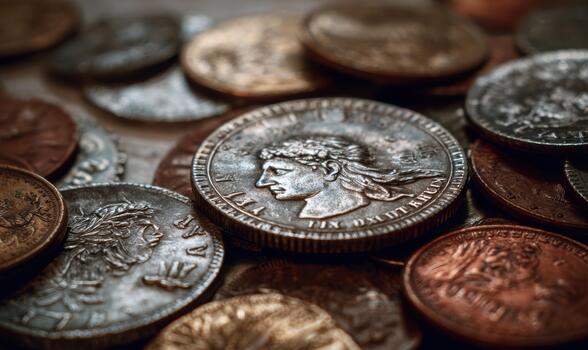
Gold remains one of the most predictable alternative assets. Its role is not aggressive wealth creation but capital preservation and inflation hedging. In a span of 10 to 20 years, gold is likely to deliver moderate but steady returns. Rare coins, however, introduce a different dynamic. Their value is not just metal-based but also driven by collector demand, which can create periods of outperformance.
4. Vintage Cars

Vintage cars are among the most complex assets in this category. Their value is driven by rarity, brand heritage, and historical importance, but also offset by high maintenance costs. Vintage cars are high-performing investment vehicles, with some studies showing they have outperformed other luxury assets like wine and art.
Also read: Top 5 Sectors in India Set to Deliver Massive Growth in the Next 5 Years
5. Land and Real Estate

Land is one thing that is not making anymore of. Money can be printed, more business can be set up but land cannot be created. As there is limited supply, it is one of the most valuable asset. When the world becomes more crowded, land becomes even more valuable and demand always goes up. Real estate is one of the most stable asset. A property in a high-demand area, in a growing city, that can create a lot of wealth.
6. Wine and Whisky

The rarest collection of wine has outperformed the stock market in some years. Some whiskeys and wines have increased in value by 100% over the years. The rarer it gets, the valuable it becomes. Rare whisky follows a bit of a different route. Its value is measured by aging, brand legacy, and limited releases. Distillery closures or discontinued editions often lead to very high appreciation in auction markets.
Taxation: What You Pay and When
If you sell an asset within a short period, the gain is treated as short-term capital gain (STGC) and taxed at your slab rate. If you hold the asset beyond the prescribed period which is generally more than 36 months for movable assets and 24 months for real estate then the gain becomes long-term capital gain (LTCG). In most cases, this is taxed at 20% with indexation.
Indexation is critical. It adjusts your purchase price for inflation, which means you are taxed only on real gains, not nominal gains. Over long holding periods, this reduces the effective tax burden substantially. This is why these assets are structurally suited to long-term holding, not trading.
Table Summarising Taxation & Holding Period
Conclusion
These unique assets can enhance a portfolio, but only when approached properly and with intelligence. These assets never loses value and become more valuable over time. The reason ia scarcity and sentiment.
Written by Kenbi Riba
Disclaimer: This article is for purely for informational and educational purposes only and should not be taken as investment or tax advice. Tax laws are subject to change and may vary. Thus, investors are advised to consult a qualified advisor before making any decisions in alternative assets. The returns discussed are indicative in nature and not guaranteed as these asset classes are subject to market risks and valuation uncertainties.