

Synopsis: India’s data centre capacity has already reached about 1.5 GW and is moving towards 14GW capacity by 2030. This article explains the contribution of data center capacity (both operational and under-construction) across Top 7 metro cities and Tier-2 Cities.
At present, there are around 130 data centers in India with operational capacity of 1280MW with 2887 MW of upcoming supply is expected by 2030 as per Cushman & Wakefield Reports. By 2035, India’s data centre Operational Capacity is set to touch 14 GW; this sector has scaled from 350 MW in 2019 to nearly 1,530 MW by 2025, with a 20% CAGR, driven by AI, cloud, and 5G demands. Further, India will get more investments mainly due to lower electricity costs compared with developed countries.
Mumbai
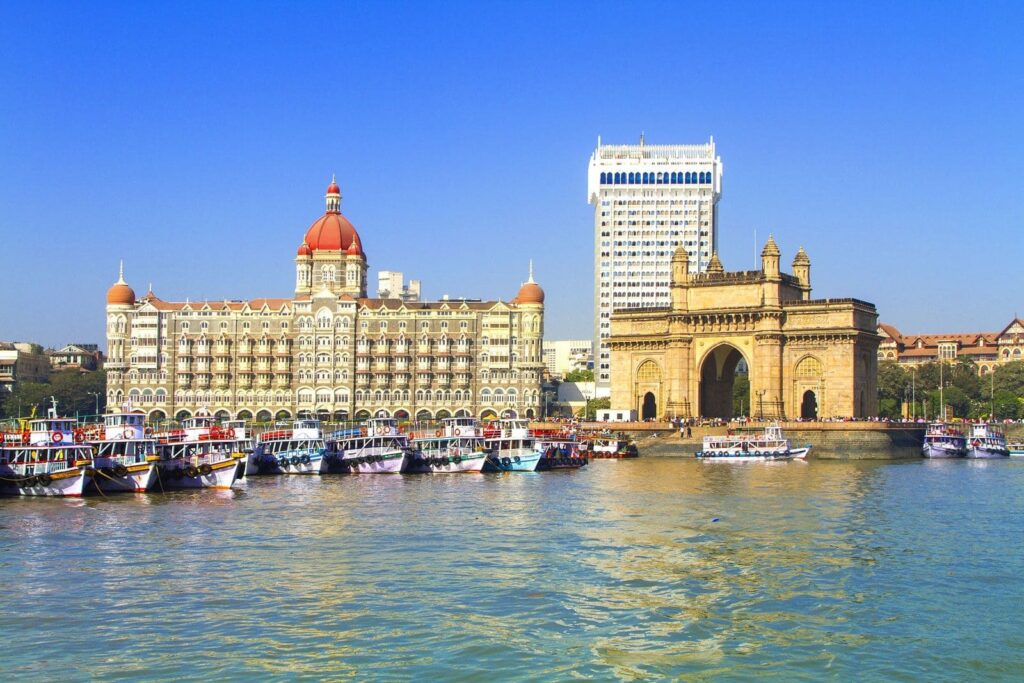
As of September 2025, Mumbai has taken a big lead with 810 MW of operational capacity, which is 53% of India’s total and thus quite a share. Mumbai’s favor because of the closeness to the global internet exchange points, direct access to the submarine cable landing stations, the already existing financial ecosystems, and the well-built power infrastructure.
- Operational Capacity: 595MW across 49 Data centres
- Under construction : 337 MW
Chennai
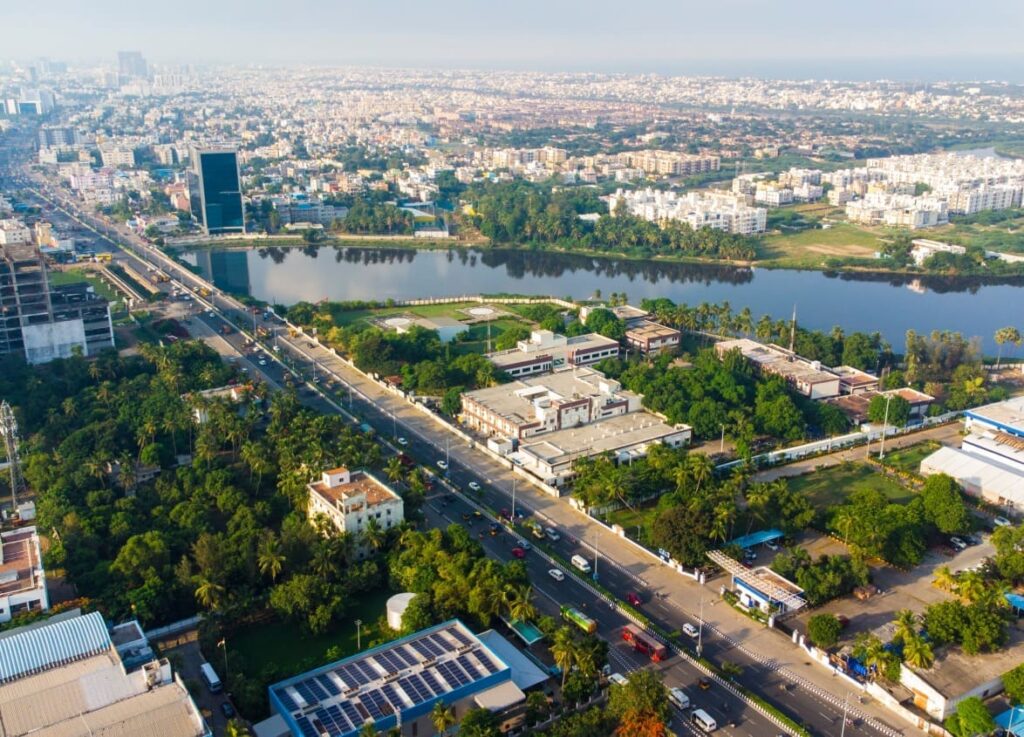
Chennai holds the second position; the city’s appeal lies in its undersea connectivity and emerging ecosystem of AI-ready, high-density facilities exemplified by AdaniConneX’s flagship 100 MW campus.
- Operational Capacity: 191 MW across 17 Data Centres
- Under Construction: 57MW
Delhi

The Delhi-NCR area, including Noida, Gurugram, and original Delhi, has a total operational capacity of 152 MW, which is 10% of the national share; however, Noida has become the most important center for 130 MW distributed over 12 plants and a 49% colocation vacancy rate.
- Operational Capacity: 146 MW across 17 Data Centres
- Under construction: 24 MW
Bengaluru
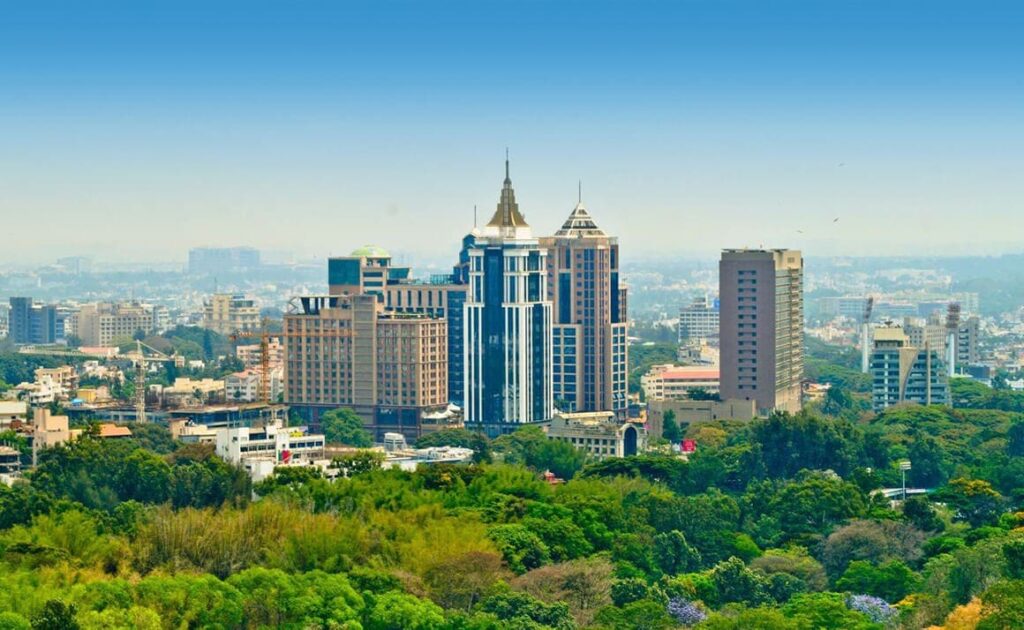
Bengaluru, even though it is the first technology hub in India, has only 107 MW operational under its belt, which is 7% of the total, but the market forecasts predict the installed IT load to reach 203 MW by 2025.
This contradiction, Bengaluru is slow despite being the tech giant, represents the coming together of reasons like a shortage of land in the current tech parks, restrictions on the power supply at important substations, and the past picking of hyperscalers due to Mumbai’s cable landing benefits.
- Operational Capacity: 76MW across 11 data centers
- Under construction: 19MW
Also read: India’s 7 Fastest-Growing IT Corridors Emerging as the Next Tech Hotspots in 2026
Hyderabad
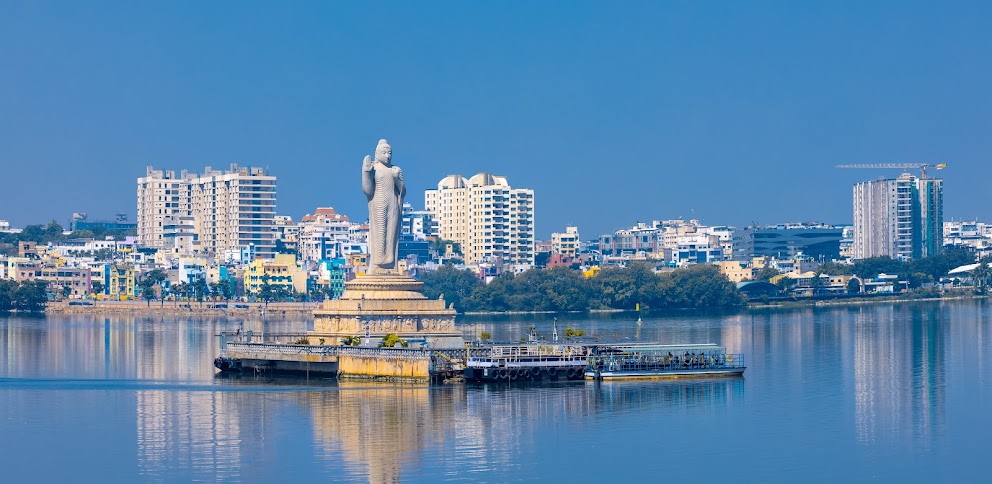
Hyderabad will make it the 2nd largest data centre market in India in five years. The future 548 MW pipeline of changing the distribution of AI and cloud infrastructures geographically. The major reason for the supply increase is CtrlS’s 612 MW Chandan Valley Campus, currently being built, to be operational by 2027-28, the various Yotta Infrastructure projects, and the shifting of the hyperscalers to Tier-2&3 areas for diversification.
Pune
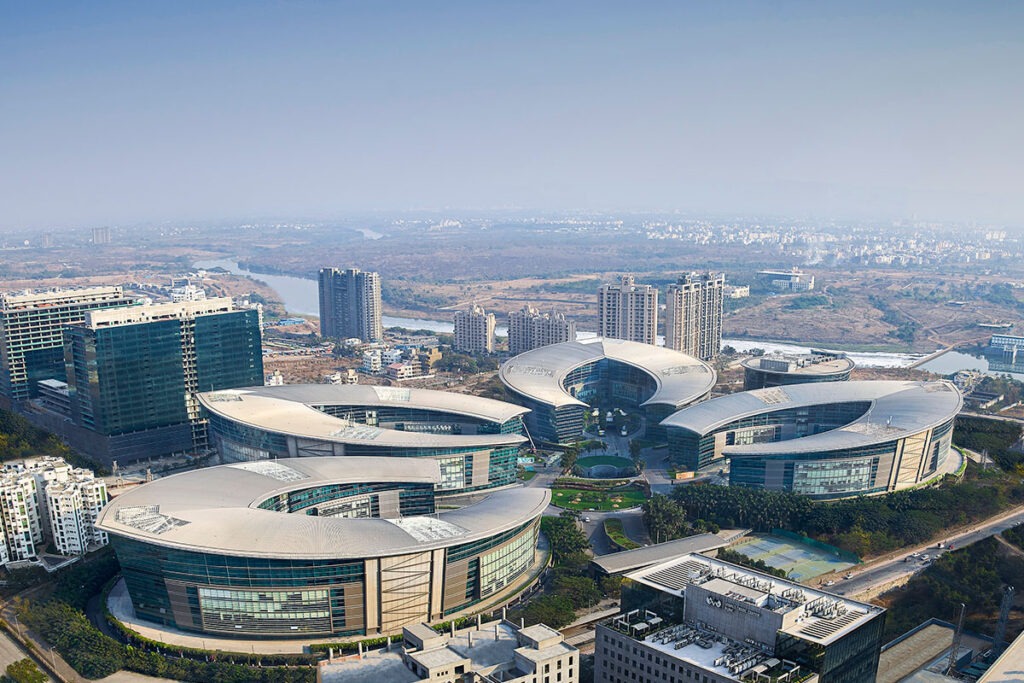
With a 137 MW operational capacity, the city is backed by upcoming hyperscale projects and comparatively lower real estate expenses than Mumbai. The city’s expansion is mainly restrained by the lack of land and power infrastructure; however, state-level measures and closeness to Mumbai’s supply chain have made it a logical overflow site.
- Operational Capacity: 112 MW across 10 Data Centres
- Under Construction: 36 MW
Kolkata
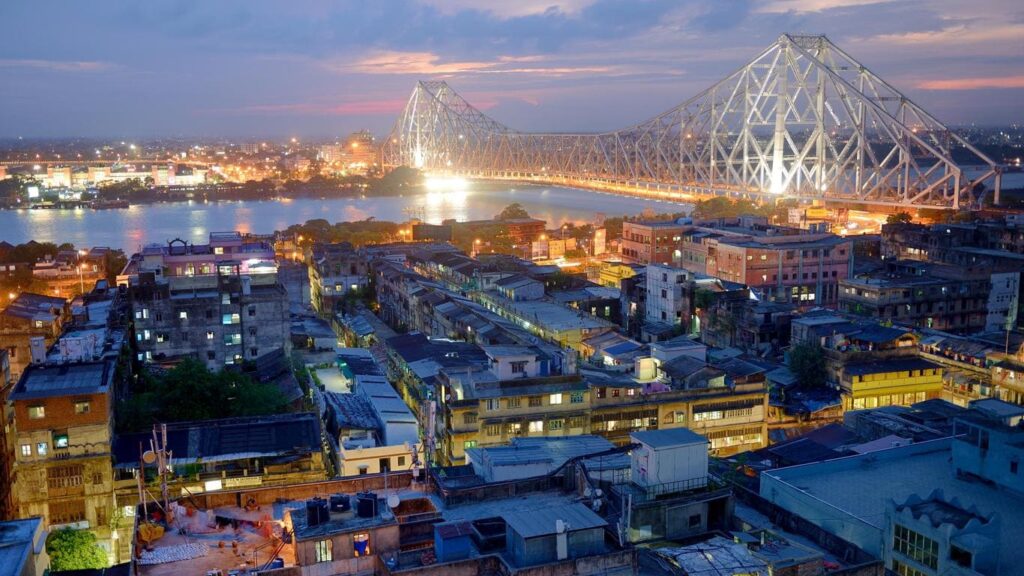
Kolkata has been historically overlooked in terms of data centres, and is now being transformed, with 15 MW already running and 115 MW in the pipeline. As a result of the development of cable landing stations, the demand from the government sector, and the establishment of the first Rated-4 facility by CtrlS. The eastern metropolis has not only come to the fore but also gained the status of the eastern gateway of India. Consequently, Kolkata has become a compliance and high-availability location for banking, fintech, and healthcare workloads.
- Operational Capacity: 8 MW across 3 data centers
- Under Construction: 25MW
Upcoming Projects
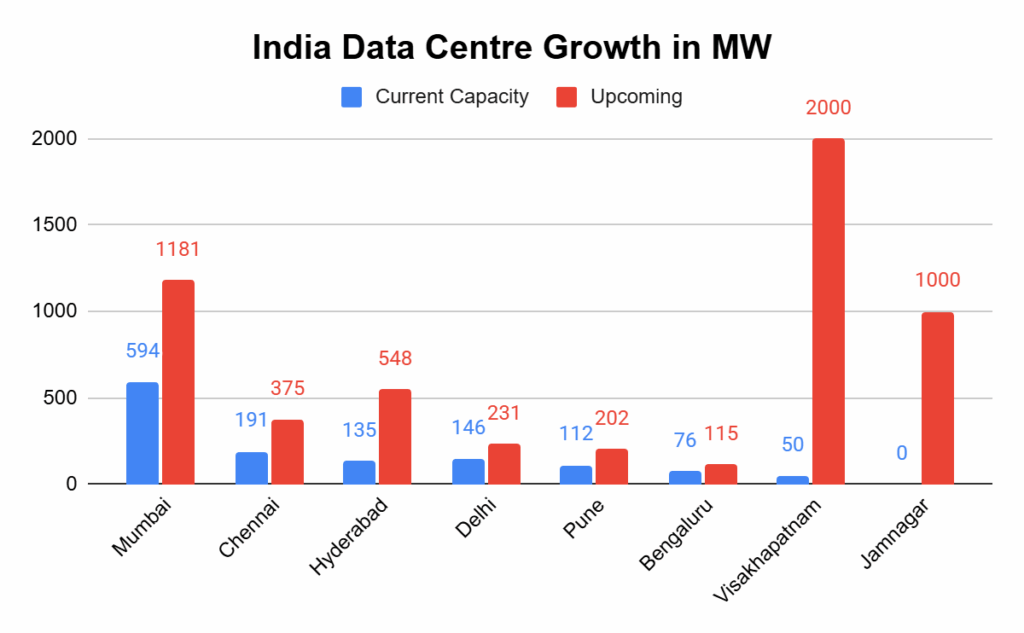
The total of 2,887 MW of forthcoming capacity in the form of new data centers at different stages of development is what India has to hold on to. This includes 638 MW that is presently being built and 2,249 MW that is in the planning phase.
Mumbai is on top with the upcoming capacity of 1,181 MW, which is mainly due to Blackstone-Panchshil’s ₹20,000 crore, 500 MW hyperscale campus in Navi Mumbai, Digital Edge expansions and cloud pre-commitments, and also the 10 submarine cable landings that have been done, which have really helped them.
Hyderabad’s 548 MW potential, mostly coming from CtrlS’s 612 MW Chandan Valley (2027-28), makes it the second-best city in India, thanks to the Yotta projects and the expansion of the hyperscale companies.
Chennai’s 375 MW, coming from AdaniConneX’s AI-ready data centre, further cements the city’s position as a southern cable hub.
The ambitious plan of Andhra Pradesh includes the construction of two large data centres with a combined capacity of 6 GW, targeted for completion by 2030. Visakhapatnam is set to play a central role in this expansion, with its capacity expected to rise to 2,000 MW from the current 50 MW. Key projects include the Google–Adani AI Campus with a planned capacity of 1,000 MW backed by a $15 billion investment, and a 1,000 MW data centre announced by Reliance Industries in December 2025. In addition, Sify’s open cable landing station will add 50 MW of capacity. As a result, by 2030, a single city is projected to account for 22–24% of India’s total data centre capacity.
Also read: Andhra Pradesh Plans 6GW Data Center Capacity — Here Are the Major Investors Backing the Plan
Reliance’s megaproject in Jamnagar, Gujarat with a 3 Gigawatt total target; 1GW in Phase, $1 billion investment with 20-gigawatt integrated renewables. Support for government AI workloads with hyperscaler leasing.
Ahmedabad has an upcoming data center capacity of 80 MW, while Bhopal is set to add 12 MW of AI-ready capacity, driven by Madhya Pradesh’s supportive policies. Combined Tier 2 and Tier 3 cities—including Patna, Lucknow, Bhubaneswar, Guwahati, Nagpur, Kochi, and Chandigarh—are expected to contribute a total of 150 MW to India’s data center pipeline.
Conclusion
India’s data center landscape is transitioning from Mumbai’s prevalent position to a distributed hyperscale model with Visakhapatnam’s 2,000 MW upcoming. and Jamnagar’s 1,000 MW, to be the revolutionary AI centers by 2030. Total capacity will increase from 1,530 MW to 8,500 to 9,500 MW, as a result of $150-200B investments and state rules that promote the use of renewable energy and submarine connectivity.
Written by Yatheendra N