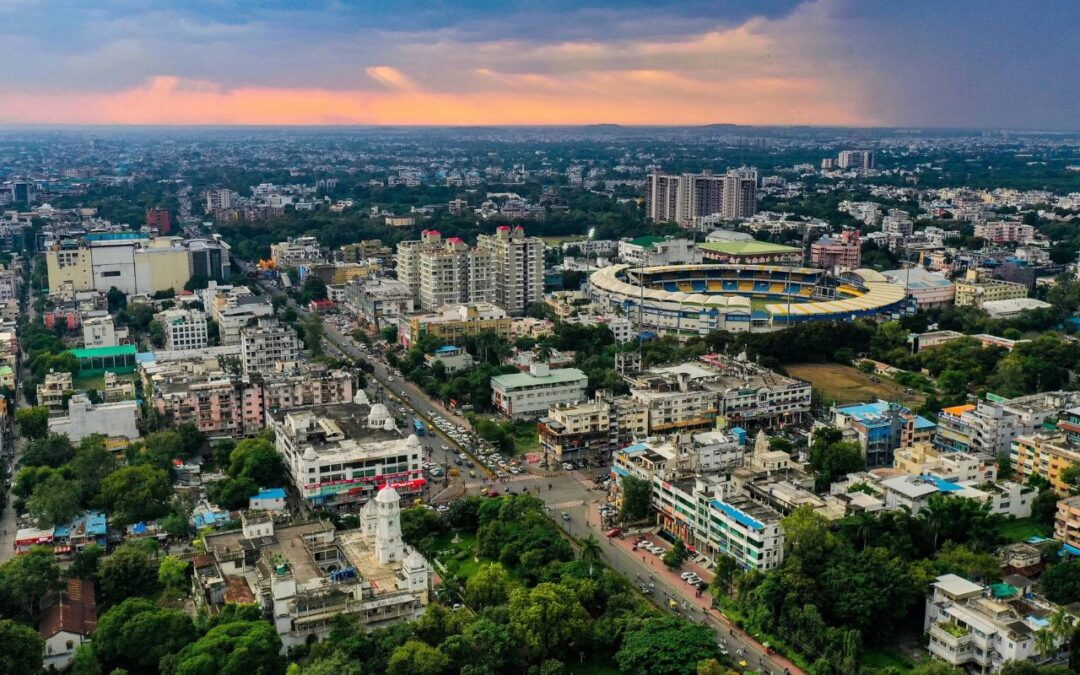
Synopsis: Tier-2 cities in India are rapidly transforming into major business and investment hubs, driven by strong job creation, GCC expansion, infrastructure upgrades, and rising capital inflows.
Tier 2 cities are transforming the business environment in India as it is affordable, with talented skills and proactive government assistance, whereas the metros are becoming less affordable with prices skyrocketing. Operational costs in tier-2 cities are 25-35% lower, they have rising infrastructure, and the government support is making the investments in IT, manufacturing, and services easier. These cities are seeing growth in IT/BPS, manufacturing, retail, and logistics, attracting large enterprises and new ventures.
6 Best Cities Growing as Business Hubs
Ahmedabad
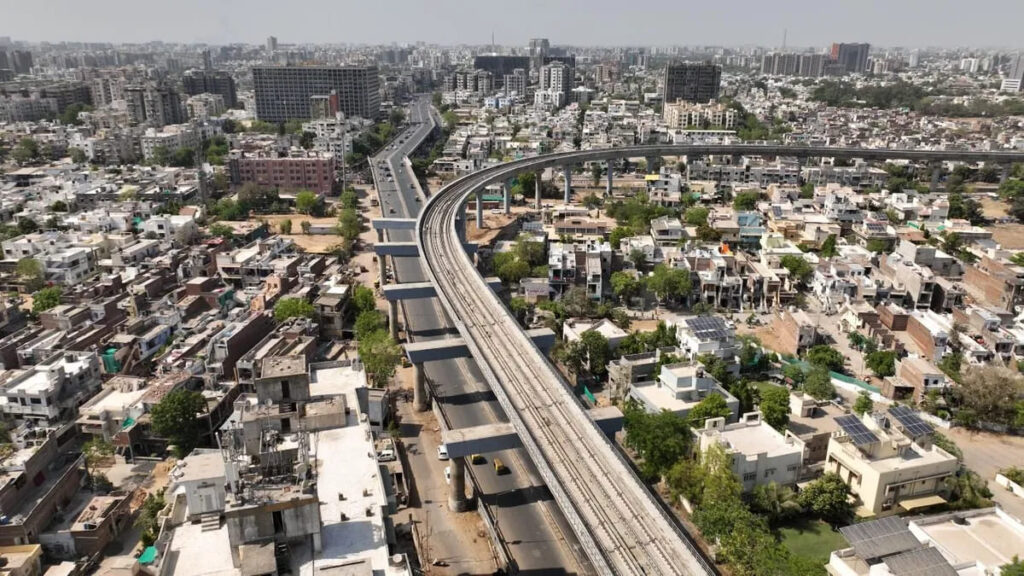
- Ahmedabad is the economic powerhouse of Gujarat, which is a leader in petrochemicals, textiles, IT and fintech through GIFT City and a talented workforce with IIM and NID.
- Business Ease: The single-window clearances in Gujarat, the GCC Policy 2025-30 subsidies up to ₹15 crore in addition to deemed approvals simplify the setups, and they are ranked highly in EODB.
- Business Operations: Infrastructure strength such as airports, highways, Net Zero 2070 sustainability infrastructure makes the manufacturing and services flawless with minimal attrition.
- Key Occupiers: Global companies in the IT/ITeS industry, textile giants, pharma leaders and GCCs in the automotive industry are the leaders in the industry size-ups
- Opportunities: Technology Fintech adoption in GIFT City, green manufacturing subsidies, and start-up and export-oriented innovation with talent.
Coimbatore

- The city of Coimbatore is leading in precision engineering, the automotive and textile sector, supported by export-oriented stability and industrial clusters. As more domestic and foreign investors explore emerging business hubs like Coimbatore and other tier-2 cities, understanding the company formation procedure in India becomes essential for smooth and compliant market entry. We recommend BridgeWest India for professional services and expert guidance in setting up and expanding businesses across India.
- Business Ease: The subsidies of MSME, land rebates, and TIDCO skill are part of a program in Tamil Nadu that lessens compliance through reforms of 2025 eased.
- Business Operations: The low-disruption manufacturing and logistics are made possible through SIPCOT parks, international airport, and power tariff cuts
- Key Occupiers: This includes engineering companies, auto part manufacturers, textile exporters and precision tool manufacturers
- Opportunities: Green energy subsidies, GCCs, and cluster expansions of MSMEs in the engineering industries.
Mysuru
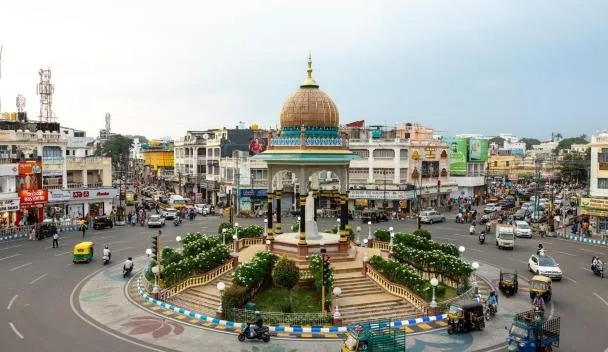
- Mysuru is an IT, a health, and aerospace hub, supported by Infosys and a stable and educated talent base
- Business Ease: The Elevate by Karnataka provides up to ₹50 lakh, the EODB single-desk portals and KITVEN funding speed up approvals
- Business Operations: Scalable tech and health operations are aided by software parks, airport improvement, and tranquility environment
- Key Occupiers: IT majors such as Infosys, healthcare providers, and aerospace companies take up prime spaces.
- Opportunities: Start up financing, IT policy incentive on GCCs, and aerospace manufacturing development.
Also read: India’s 9 Lesser-Known Cities with the Fastest-Growing Job Markets in 2026
Jaipur

- Jaipur is a blend of jewelry and handicrafts, information technology and tourism with RIICO zones accommodating more than 1000 industrial units.
- Business Ease: The 2024 Industrial Policy of Rajasthan has 30 percent capital subsidies, Raj Nivesh 15-day approvals, and MSME loans
- Business Operations: The ease of trade and services is facilitated by the highways and green energy rebates
- Key Occupiers: The occupancy is led by jewelry exporters, IT companies, tourism operators and handicraft manufacturers.
- Opportunities: Incentives of renewables, tourism-tech hybrids, and industrial parks expansions.
Indore
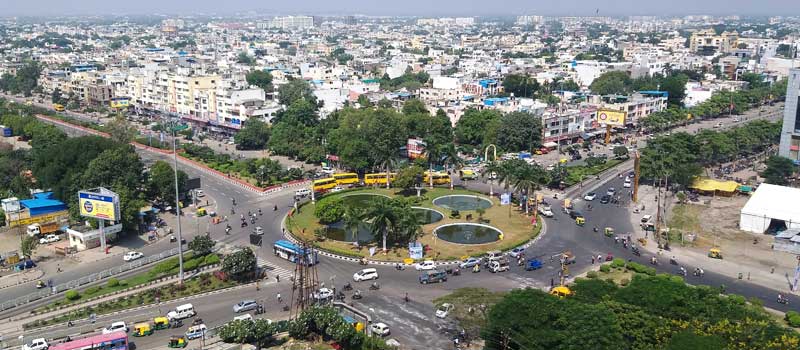
- Indore is a logistics and pharma and food processing hub with the least costs and high employability in central India
- Business Ease: The policy of MPIDC gives incentives of 25 percent, cluster fund, and single-window systems in 2025
- Business Operations: Smart City renovation, rail centers and power holidays streamline distribution and processing
- Key Occupiers: IT, BPO, Pharma firms, logistics firms and food processors take over.
- Opportunities: E-commerce logistics, pharma cluster investments, and agri-processing investments.
Bhubaneswar
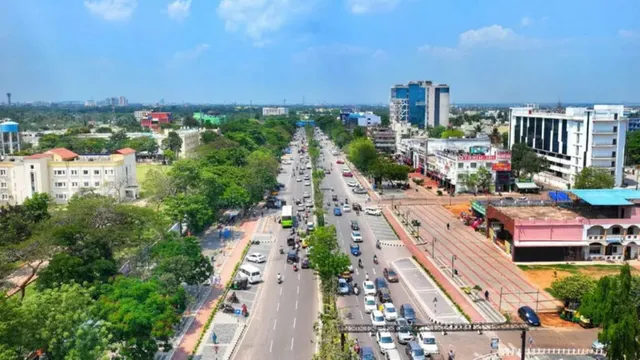
- Bhubaneswar is a leader in IT, biotech and smart governance where Infosys and developed infrastructure are present
- Business Ease: The 2025 ITREX policy of Odisha offers 50 percent land concessions and IPICOL single-window concessions.
- Business Operations: Biotech and IT scalability Infocity expansions ₹1 crore startup funds.
- Key Occupiers: IT companies such as Infosys, biotech pioneers, and governance technologies providers.
- Opportunities: GCC expansions, biotech research and development, and services based on smart cities.
Also read: India’s 7 Fastest-Growing IT Corridors Emerging as the Next Tech Hotspots in 2026
Sector-Specific Opportunities
GCCs are interested in tier 2 cities such as Ahmedabad and Mysuru where there are talent subsidies, and smaller towns like Anekal, where manufacturing clusters are enhanced. Hospitality is developed in Jaipur and Bhubaneswar through tourism missions and logistics is developed in Indore.
Difficulties and Future perspectives
There are minor infrastructure gaps, though ₹10,000+ crore state investments take care of them within a short time. Such cities are forecasting 5 million jobs in 2030, which would diversify the economy of India.
Conclusion
Tier 2 and Tier 3 cities are offering incomparable business conveniences by providing the targeted subsidies, speedy clearances, and innovation ecosystems that surpass the metro challenges. The proactive approach of governments such as the GCC incentives and Smart City upgrades will guarantee the resilient growth of a state, providing millions of jobs by 2030. Companies that adopt such hubs gain cost effective scale scalability and long term competitiveness in the decentralizing economy of India.
Written By Jayanth R Pai