
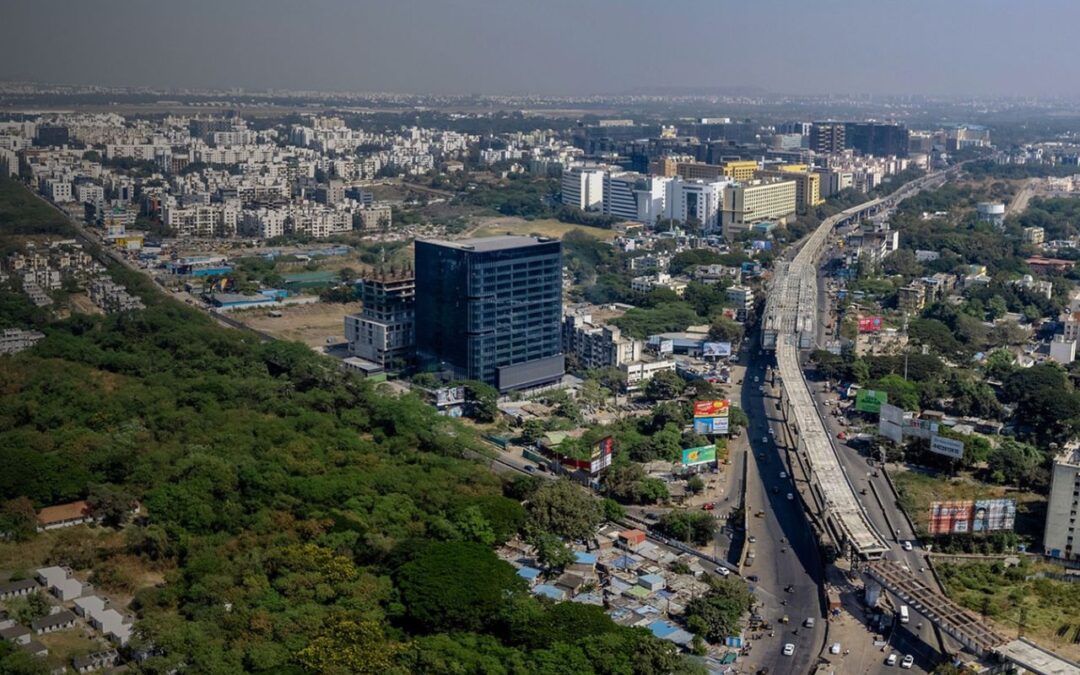
Synopsis: High-Activity micro markets across major cities drive over 80% of India’s future office demand and supply. GCCs are attracted to heavy residential micro markets due to the reduction of employee time to travel and the close proximity to offices.
Metro expansions and campus developments supports 15-20% growth annually in heavy residential micro-markets in top cities that contribute to 73% of the GCC leasing since 2020. These sites can improve productivity, retention and scalability of GCCs undertaking IT, R&D functions, as well as finance functions. With 1.8 million employees that have a market worth of $46 billion in 2025, GCC industry is centered in suburbs, where the sprawl of residential and office supply intersect. 80 percent of the activity is concentrated in cities, such as Bengaluru, Hyderabad, and Pune, and micro-markets provide cost savings of 20-30 percent compared to CBDs. According to Colliers, these regions internalize 65 percent of office demand and 76 percent of new supply that has been motivated by the hybrid work trends and availability of talent.
Key Reasons Why GCC Chose this location
- Talent Access and Retention: 60% of skilled workers reside in the suburbs, huge availability of skilled and cost-effective talent (tech, engineering).
- Fewer Commutes: Travel decreases to 30-45 minutes through residential housing, boosting productivity by 20-30 percent and hybrid work.
- Cost Effectiveness: Rents ₹80-120/ sq ft (20-30 of CBDs) allow campuses to be scaled without high prices.
- Infrastructure and Amenities: Flex leases are preferable to 70% GCCs in areas with metros, ring roads, schools, and malls; live-work ecosystems are formed.
Real Estate Surge
According to Cushman and Wakefield Reports, India has a 900M sq ft Grade-A stock that is occupied by GCCs, driving 40%+ leasing in micro markets . The national supply was 14M sq ft in quarter, vacancy fell to 9.5%, rent increased 2-3%/Y, and peaked in Bengaluru ORR (₹105/sq ft), Hyderabad SBD (₹90/sqft). Residential demand booms: Bengaluru Whitefield prices have increased at 15% YoY to ₹12,000/ sq ft or Sarjapur 18, Pune Hinjewadi 12-14%, and generally 35-45% growth by 2030. Planners introduce 50M sq ft offices, 30 percent residential linked with GCC corridors, leakage out of staff accommodation requirements.
Bengaluru Micro-Markets
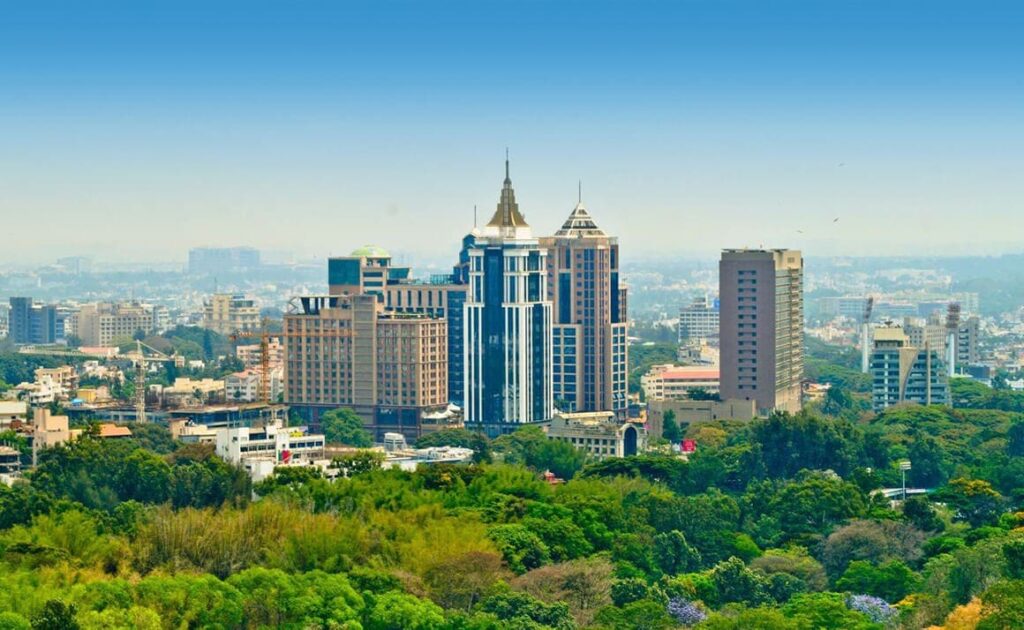
Bengaluru is the top performer with four of its best micro-markets, with the first one being ORR that controls 37 percent of national GCC leasing among a close two million population. In this zone, there are giants such as JP Morgan and 10 million sq ft have been leased since 2021, due to ORR Metro that reduces commute time by half. Whitefield and North Bengaluru are the sources of tech talent that are properly connected to metro and residential booms. Varthur and Sarjapur are the areas that draw startups because of the proximity to low-cost houses and quick infrastructure development.
Hyderabad Micro-Markets
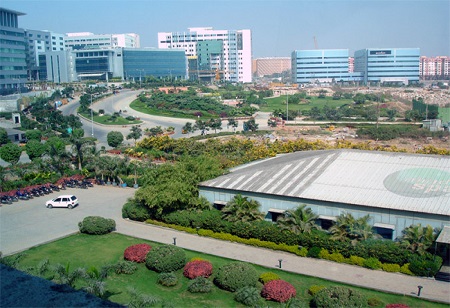
The SBD and the Gachibowli and Off-SBD of Hyderabad control 46 percent of new 2025 GCC facilities, targeting pharma and IT in the environment of high residential density to accommodate 500,000 people. The Pharma City connections and the good rents cause developers to construct huge campuses. Firms like Amazon and TCS grow at an incredibly high rate, since the rate of attrition in these closed-circuit suburbs is reduced.
Also read: Bengaluru’s 6 Most In-Demand IT Micro Markets Attracting Global Tech Giants in 2026
Pune Micro-Markets
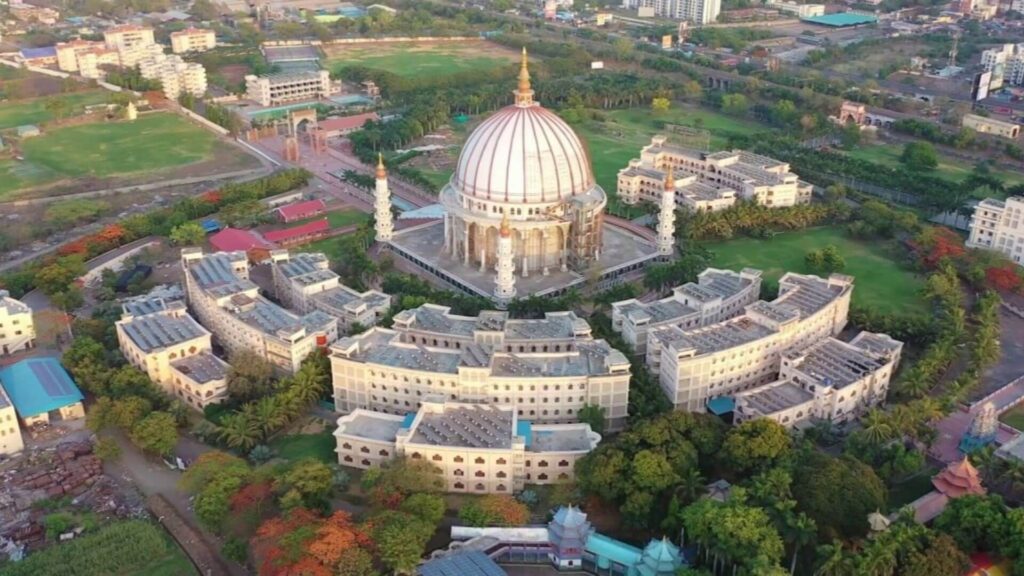
The Kharadi and Hinjewadi, which are two micro-markets in Pune, have employment growth of 57% in leasing, which is perfect to install BFSI and R&D close to one million housing professionals in the vicinity. The Pune Metro provides more accessibility to facilitate the smooth hybrid operations. Barclays and others like these opt to locate such locations in scalable and employee-friendly campuses.
Chennai and NCR Micro- Markets
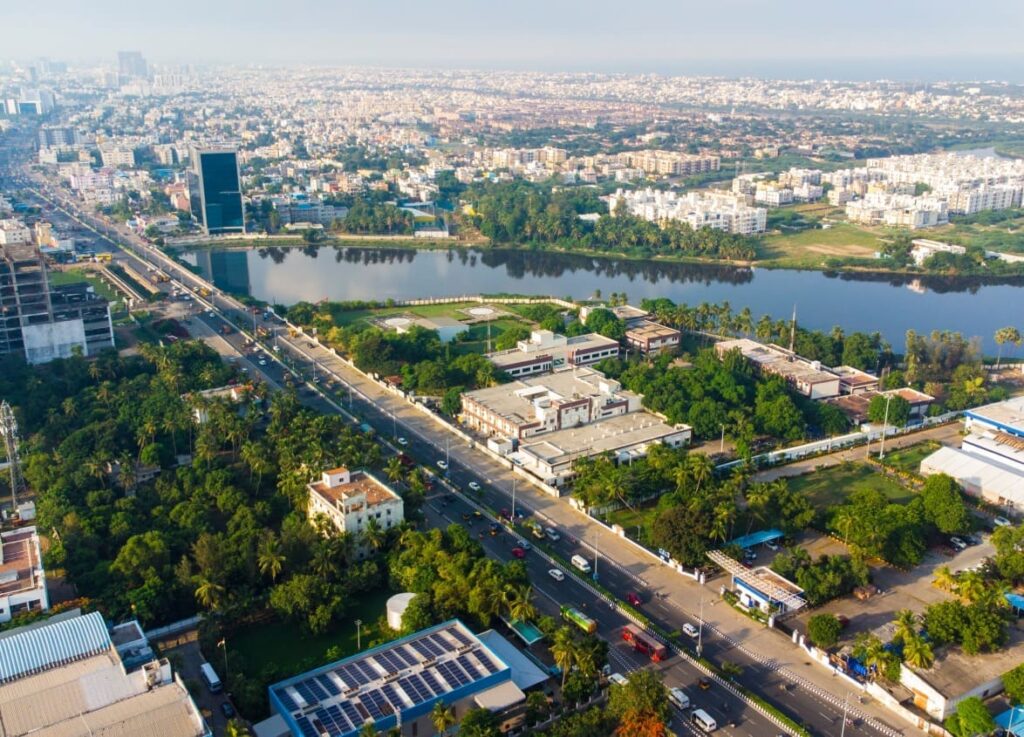
The OMR Zone 1 of the city (Thiruvanmiyur to Sholinganallur) and MPR (Madhya Kailash-Perungudi) witness 24 percent growth in IT/R&D leasing, and residential areas and ITPL means reduced commuting by firms such as Hyundai. In NCR, the Golf Course Road, Noida Expressway and CBD in Gurugram constitute a fintech powerhouse with proximity to airports and three of the best markets. Expansions are supported by American Express through rapid housing developments and Delhi metro lines.
Mumbai Micro-Markets
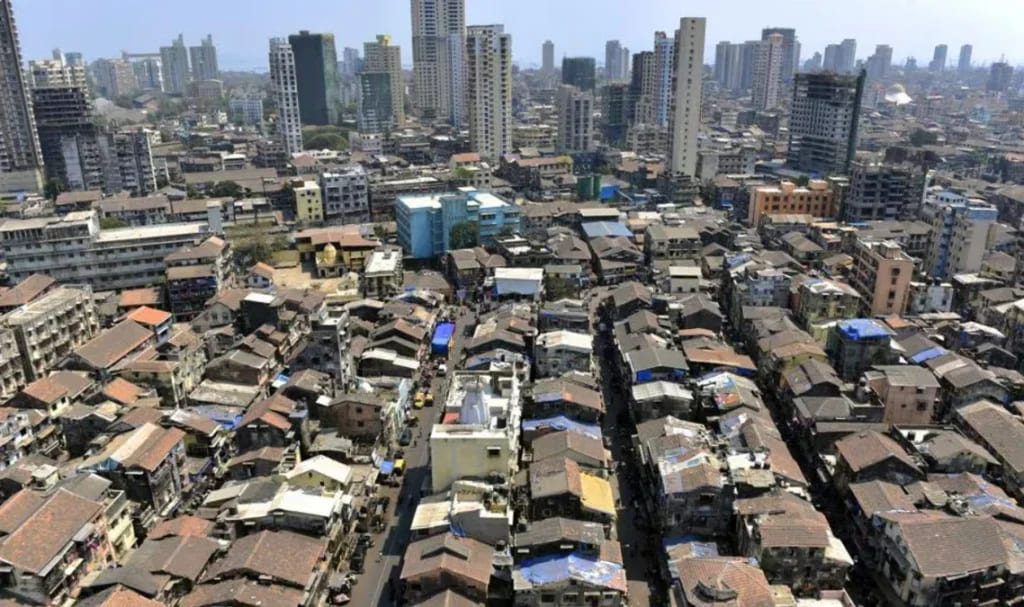
Non-tech GCCs in media and finance served in Mumbai (in Malad, Goregaon, and Powai) have been supported by dense residential neighbourhoods and metro lines to reinforce the hybrid models. Scalable here flex spaces attract mid-sized businesses in need of cost-efficient scaling.
Future Outlook
These micro-markets will provide more than 100 million sq ft of space by 2030, as Tier-2 cities such as Coimbatore, along with AI and ESG-driven campuses, appear. GCC will prefer residential-integrated sites further through government policies and infrastructure investment that will maintain India as GCC capital.
Written By Jayanth R Pai