
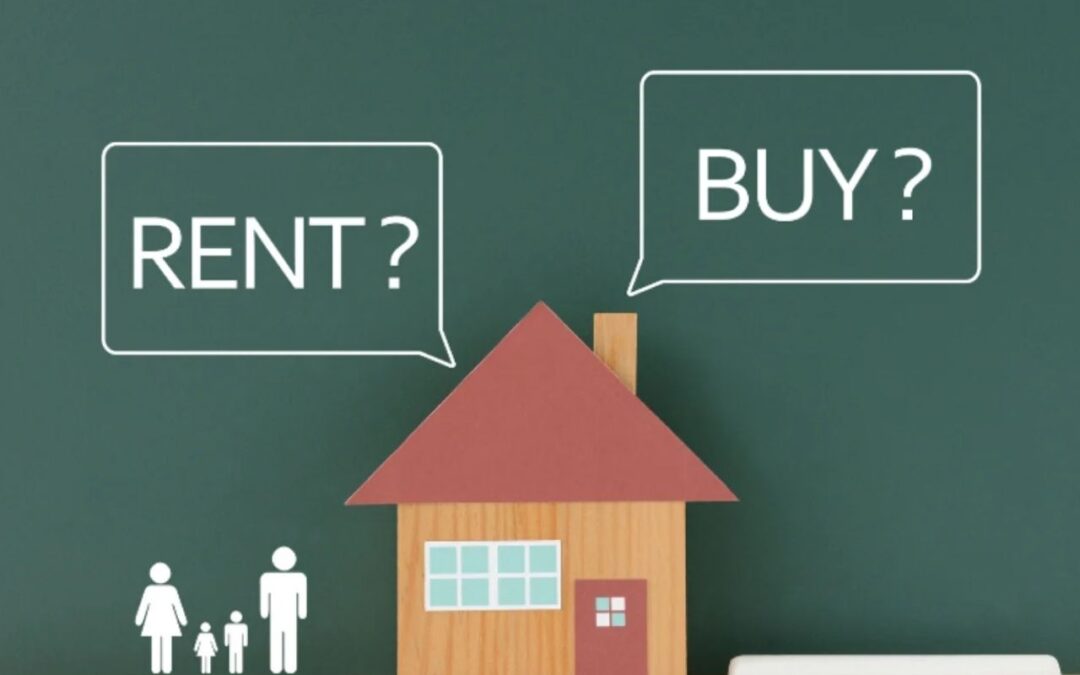
Synopsis: This article explains the unspoken costs associated with renting and buying property, and explains the major factors to consider before you rent or buy a house. It also discusses which choice makes financial sense.
Deciding whether to rent or buy a house is one of the most important financial choices a person can make. The financial reality, however, is much more complicated. That being said, it is important to understand the actual costs and long-term effects of each option to choose the path to make a financially sound decision.
Understanding the True Cost of Renting
At first glance, renting an apartment appears simple: a fixed monthly payment in exchange for a place to live. This is a great choice for migrants living in a different city. However, rent is often the most expensive component in most people’s monthly bills. It goes through annual rent hikes, which are way higher than inflation and wage growth.
Further, additional expenses such as insurance and utilities add up to a significant amount every month. But the main drawback of renting is that your monthly payments are just pure expenses and do not build equity. 10 years down the line, you still won’t own an asset with the monthly rent you kept paying.
Understanding the True Cost of Buying
Owning a home is a dream passed down to Indians generations after generations. It’s also a huge financial as well as personal milestone that everybody wants to achieve. However, it is not easy to own a house with down payments that range between 3 to 20% of the property price, loan, fees, taxes, and inspections. Despite these costs, owning a house is an advantage as it’s an asset and its value might potentially increase.
Factors Influencing the Decision
Time: In the short run, renting is cheaper as it requires less upfront cost and has fewer unpredictable expenses. Renting typically makes it easier and cheaper to relocate for a job opportunity, a career change, family needs, or lifestyle preferences. Over the long run, owning a home can be financially attractive as you may build equity and might get benefits from the price appreciation of the property. Homeowners don’t have the flexibility of relocating easily because selling a home takes time and can be expensive.
Opportunity Cost: Buying a home often requires spending a large amount of cash as a down payment, closing costs, and future maintenance. Renting usually requires far less upfront cost, thereby leaving individuals with more money available to invest in income-generating instruments.
Liquidity: Renting leaves you with more liquid finances as you are not locking large sums into a property. This helps in investing more and generating income from investments, as well as provides flexibility in terms of liquidity. In contrast, owning a house is expensive.
Stability vs Flexibility: When you own a home, you can establish roots, personalise your living space, and forget about rent hikes or lease non-renewals. For many, this feeling is priceless. Renting, on the other hand, provides flexibility. Leases usually last for a short time, which makes it simpler to move for a job, travel, or change your lifestyle without the pressure of selling a home.
Maintenance responsibilities: Renters usually do not have to worry about most maintenance tasks and repair costs; this can save them time, money, and stress. Homeowners, on the other hand, handle everything from lawn care to major repairs. Some people appreciate the control and pride that comes with taking care of a home, but others may see it as a burden, especially when unexpected expenses pop up.
Personal goals: If you’re starting a family, being close to good schools or a stable neighbourhood might make buying a home attractive. On the other hand, career-driven people who expect to move for new jobs may see renting as a better option. Living in a busy city might make renting a smarter financial choice, while suburban or rural areas could be more suited for buying. Make a housing decision that reflects your personal and professional goals.
Also read: Investing ₹10,000 a Month in SIP: When Can You Actually Become a Crorepati?
When Renting Makes More Financial Sense
Renting is often the better financial option for people with short-term life plans or uncertain timelines. If you plan to move within a few years, renting helps you save the high upfront and transaction costs of buying a home. For those with limited savings or high debt, renting eases financial pressure and keeps cash available for emergencies or paying off debt.
When Buying Makes More Financial Sense
Buying often makes more financial sense to people who plan to stay in one place for a long time. A steady income and good credit can make owning a home more affordable and easier to budget, too. Good interest rates can also lower long-term borrowing costs. Over time, homeowners might build equity and protect themselves against rising rents.
Conclusion
There is no one-size-fits-all answer to whether renting or buying is a better financial choice. The best choice depends on personal factors like financial stability, how long you plan to stay, opportunity costs, and life goals. Ultimately, the best decision is the one that matches your financial situation with your personal goals.
Written by Nila Maria Jacob