Synopsis: India plans to establish rare-earth corridors across four coastal states to boost mining, processing and manufacturing to reduce import dependence for rare-earth permanent magnets which is crucial for EVs, renewable energy, electronics, aerospace and defence.
The rare earth magnets, especially the sintered neodymium-iron-boron magnets, drive some of the most important technologies such as electric vehicles, wind turbines, smartphones, military systems, and medical equipment. The rare earth containing minerals mined in states like Odisha, Kerala, Andhra Pradesh and Tamil Nadu are processed in only a small fraction of India and the country has to import 80-90 percent of its magnets and raw materials from China who own over 90 percent of the world’s processing. These imports would cost India approximately 221 million in 2025, and the demand is expected to grow two times in five years during the switch to clean energy.
Key Initiatives
- In November 2025 India instituted the Scheme to Promote Manufacturing of Sintered Rare Earth Permanent Magnets incurring a ₹7,280 crore ($800 million) expenditure in seven years.
- The scheme also applies capital incentive, sales incentive which is calculated based on 6000 metric tons per annum (MTPA) of production.
- The program corresponds to the national priorities such as Atmanirbhar Bharat, increasing supply chain resilience.
- Budget 2026 proposed establishing special rare earth corridors in Odisha, Kerala, Andhra Pradesh and Tamil Nadu, where minerals are abundant. It seeks to satisfy increasing local demands in automobile, renewable, electronics, aerospace, and defense markets.
- The corridors combine mining, processing, research, development and manufacturing with better infrastructure and center-state coordination. They deal with low processing capability of India and promote beneficiation, refining, downstream industries, startups as well as employment.
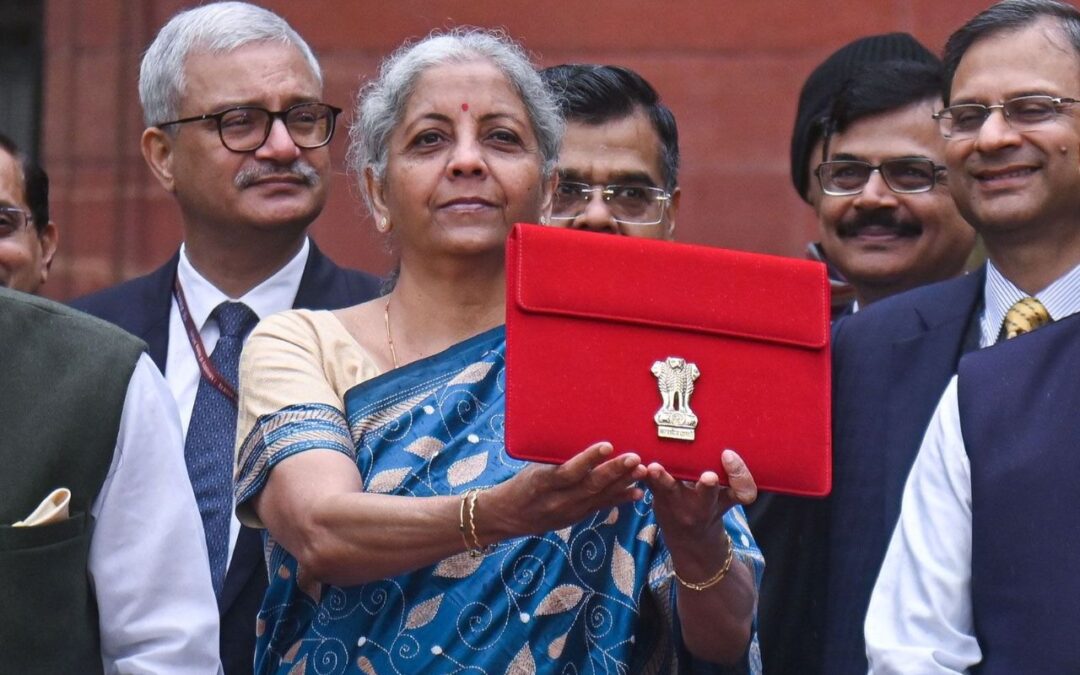
- In addition to the corridors, Nirmala Sitharaman announced basic custom duty exemption to import capital goods required for processing critical minerals in India.
Also read: India’s GDP Growth: How It Continues to Grow as Major Economy with 7.4% GDP in FY26
Why Local Manufacturing
The almost complete dependence of India on China, which controls 90 percent of the world’s refined magnets, puts industries such as EVs and defense in jeopardy in the name of supply disruptions. The export ban and licensing of China in 2025 caused a worldwide shortage effect that led India to ensure an Atmanirbhar Bharat supply chain. The indigenous production of EVs (1-2 kg per mid-size car) and wind turbines (600 kg per 3-MW unit) is required due to the explosive demand growth: domestic needs are projected to increase to 4,010 tonnes to 8,220 tonnes of demand by 2030. The push is made by strategic independence in green technologies, creation of employment and lower importation bills, which companies such as Vedanta and JSW look at the local output.
Strategic Importance
- The efficiency of electric motors and generators which are facilitated by rare earth permanent magnets (REPMs) are imperative to the energy transformation and industrial development in India.
- The 2025 export restrictions of China shook the world supply systems, impacting India’s auto, electronics, and defense industries.
- The national manufacturing will reduce the import expenses, make India a global player in terms of REPM and gain strategic independent autonomy.
- The rare earth magnets market in India was estimated to be worth 2.34 billion in 2025, and may go up to 3.71 billion in 2032.
Challenges Ahead
- Analysts warn that money is not enough as India requires modern technology, quality workforces, and environmental protection of the mining and processing operations.
- Developing a process to refine complex rare earth oxides into high-purity materials is a challenge as China leads the pack in this process.
- Corridor infrastructure should be an attraction to investments and R&D should be innovative to compete at the global level.
Conclusion
The multi-pronged approach to the problem in India through the REPM scheme and state corridors is a significant breaking point to self-sufficiency in rare earth magnets, which can potentially turn the weaknesses into advantages by 2032. The success is based on execution and innovation and partnerships that promise to yield economic benefits, the creation of jobs, and green technological leadership.
Written By Jayanth R Pai