
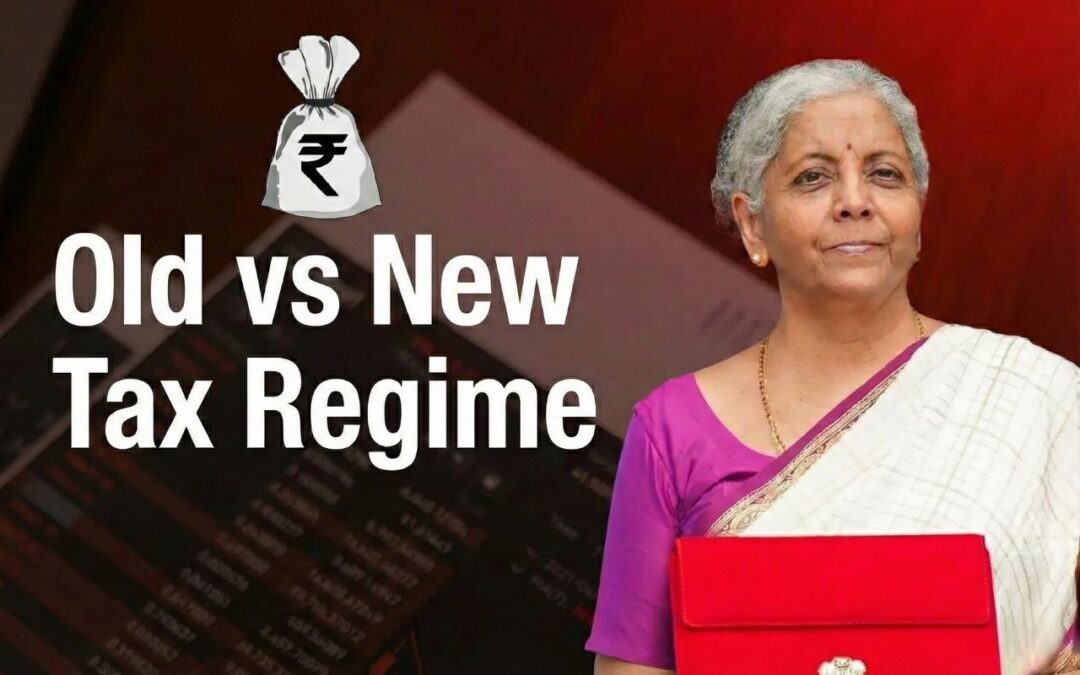
Synopsis: This article explains the new income tax system and the old income tax system for FY 2026-27. It goes into detail about the latest income tax slab brackets and rates under both systems. It also covers the surcharges and cess that everyone should be aware of.
With FY2026-27 approaching, selecting the right tax plan can significantly influence your take-home pay and total tax liability. After the Union Budget 2026 confirmed that there would not be many changes to the income tax slabs for the upcoming year, the ongoing debate has returned. Which tax plan will truly be better?
New Income Tax Slabs for FY 2026-27
The new tax system for FY 2026-27 has a simpler, progressive slab structure. It includes more income brackets and lower tax rates. This setup is meant for taxpayers who want to make compliance easier and do not want to claim various exemptions and deductions.
| Income Tax Slabs | Income Tax Rate |
| Up to ₹4,00,000 | Nil |
| ₹4,00,001 to ₹8,00,000 | 5% |
| ₹8,00,001 to ₹12,00,000 | 10% |
| ₹12,00,001 to ₹16,00,000 | 15% |
| ₹16,00,001 to ₹20,00,000 | 20% |
| ₹20,00,001 to ₹24,00,000 | 25% |
| ₹24,00,000 and above | 30% |
Old Income Tax Slabs for FY 2026-27 for those below 60 years
Under the old tax system, taxpayers under 60 years old are taxed using the regular slab system. While the slab structure is narrower than in the new system, it allows individuals to reduce their taxable income through different deductions and exemptions.
| Income Tax Slabs | Income Tax Rate |
| Up to ₹2,50,000 | Nil |
| ₹2,50,001 to ₹5,00,000 | 5% |
| ₹5,00,001 to ₹10,00,000 | 20% |
| ₹10,00,000 and above | 30% |
For those above 60 years and below 80 years
For senior citizens aged 60 to 80 years, the old tax system has slab rates such that income up to ₹3 lakh is tax-free. Additionally, senior citizens can take advantage of age-specific deductions and exemptions, such as higher exemptions on interest income and deductions for medical expenses.
| Income Tax Slabs | Income Tax Rate |
| Up to ₹3,00,000 | Nil |
| ₹3,00,001 to ₹5,00,000 | 5% |
| ₹5,00,001 to ₹10,00,000 | 20% |
| ₹10,00,000 and above | 30% |
Also Read: Union Budget 2026 Tax Updates: SGB Rules, Buyback Tax, TDS, TCS and More Changes Explained
For those above 80 years
Super senior citizens over 80 years don’t have to pay tax up to an income of ₹5 lakh. Although the tax rates have not changed, many elderly taxpayers prefer this system. It helps them make the most of exemptions and deductions for healthcare expenses and interest income.
| Income Tax Slabs | Income Tax Rate |
| Up to ₹5,00,000 | Nil |
| ₹5,00,001 to ₹10,00,000 | 20% |
| ₹10,00,000 and above | 30% |
Surcharges and Cess
A surcharge is an extra fee placed on taxpayers with high income levels. It applies once a person’s total income goes over ₹50 lakh in a financial year. The surcharge rates are mostly the same under both the old and new tax systems.
The new tax system has a key benefit. It limits the maximum surcharge to 25%. This limit significantly helps ultra-high-income earners, who would otherwise face a much heavier tax burden under the old system.
Along with the surcharge, a Health and Education Cess of 4% is applied to the total tax due in both systems. This cess is required and applies equally, no matter which tax system is selected.
Which tax regime should you choose for FY 2026-27?
The new tax system is more suitable for individuals who prefer a straightforward tax structure and do not claim many exemptions or deductions. With broader income slabs and lower tax rates, it benefits salaried individuals with few tax-saving investments. It also helps higher-income earners because of the 25% limit on the surcharge, which reduces the tax burden for those earning significantly more.
On the other hand, the old tax system works well for taxpayers who actively plan their taxes and claim various deductions and exemptions. These include HRA, Section 80C investments, health insurance premiums under Section 80D, and home loan interest. These deductions can greatly reduce taxable income. As a result, the old system can be more tax-efficient, even with its higher slab rates.
Senior citizens, people with high medical costs, and those paying off education or home loans may find the old tax system better for them. It lets them take advantage of certain deductions that the new system does not offer.
Conclusion
Choosing the right tax system for FY 2026-27 depends on your income structure, deduction eligibility, and whether you prefer simplicity or tax planning. Since both the old and new tax systems still exist, taxpayers need to assess which option leads to a lower total tax burden instead of assuming one is always better. In the end, the best way is to calculate your tax liability under both systems before deciding.
Written by Nila Maria Jacob