
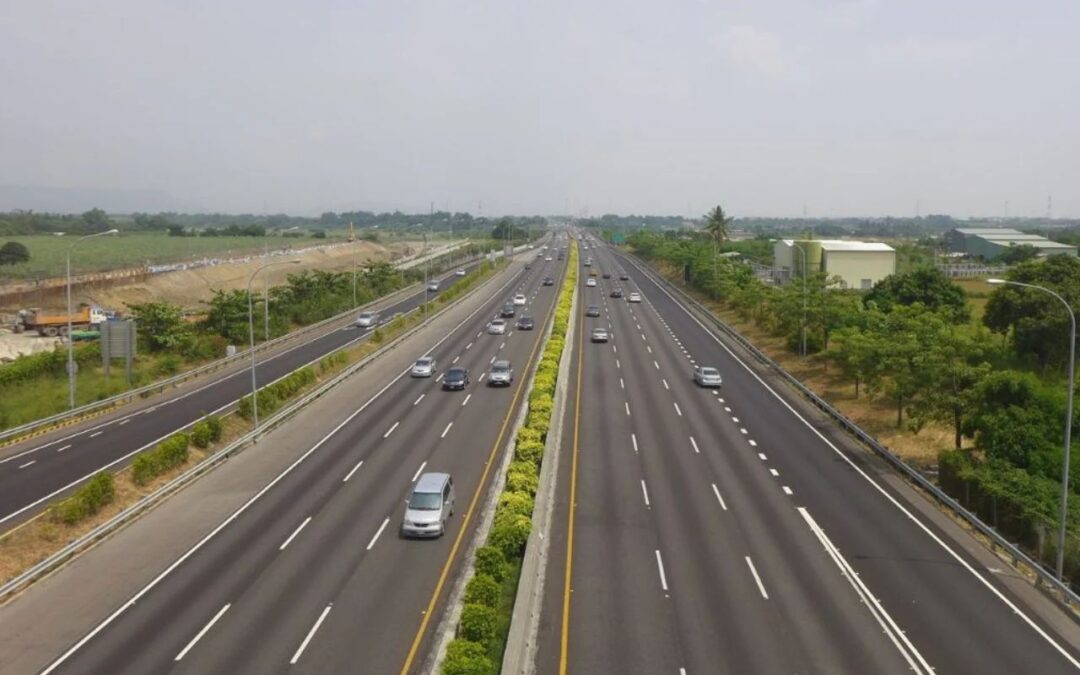
Synopsis: Bangalore Business Corridor (BBC) or Peripheral Ring Road (PRR) is a 74km Phase 1 expressway is designed to boost the local economy by reducing travel time and reduce city traffic by 40%.
The Bangalore Business Corridor (BBC), earlier known as Peripheral Ring Road(PRR), will connect Whitefield, Electronic City and the Airport road and Tumkur road in one seamless loop for logistics i.e- Easier Freight Corridor. A ₹27,000 crore Phase 1 project that consists of a 73 km 8-lane expressway connecting Tumkur Road, Bellary Road, Old Madras Road and Hosur Road. This type of connectivity will lead to better land value appreciation.
Connection Boost and Traffic Relief
The BBC establishes a smooth peripheral circuit avoiding the choke points such as Hebbal and Old Madras Road. The travel time is drastically reduced, and this connects Whitefield, Electronic City, Airport Road, and Tumakuru Road all in a good manner. Freight and commuters receive uninterrupted freight movement and billions in time-loss saved to e-commerce and production by e-commerce and manufacturing.
Some of the important characteristics that help in alleviating traffic are:
- 8 lanes Expressway with service roads: Bypasses 40 percent of city centre.
- 5-meter metro/BRTS median: Future public transit.
- Cycle tracks and routes: Provides sustainable last-mile access.
- Access control: Deters inner-city spillovers.
The commute to the IT parks in the suburbs becomes predictable and lowers the cost and increases productivity.
Business Growth Engine
- The BBC connectivity will lead to land value appreciation in various areas.
- Industrial Growth: Industrial growth will occur across Devanahalli, Doddaballapu and Tumkur Road where warehousing and manufacturing are already picking up.
- Residential Demand: When jobs and industries rise, housing demand will follow automatically. Areas that were once dismissed as to far like Hoskote, Attibele, Bigadi can easily become the next Whitefield or Sarjapur of Bengaluru in next 10 years. The value of land at the node of metro, airport and industries will increase in 7-10 years.
- Global Investor Backing: Funds like Blackstone, GIC, Brookfield are already investing heavily in Bengaluru office space and logistics parks and this business corridor is giving them the infrastructure and backbone to scale further. When FII invests, land prices has the tendency to rise.
Also read: Devanahalli Real Estate: Is It the New Gurugram of Bengaluru?
Investment Hotspots Comparison
| Location | Key Drivers | Expected Growth Impact |
| Devanahalli & Airport | Airport proximity, aviation | High (3-5x land value rise) |
| Hoskote & Old Madras | Industrial belts, pharma | High (warehousing boom) |
| Bidadi & Mysore Road | Auto, electronics clusters | Medium-High (job creation) |
| Attibele & Hosur Road | Logistics to Tamil Nadu | High (freight gateway) |
Investment Opportunities and Limitations
- Delays of execution: From land approvals and environment approvals can add years. If timeline slips, appreciation may slow down.
- Price inflation: Land prices near BBC shoot up by 30-40% increases pose a threat of short-term losses. Investors might have to wait years before the actual demand catch up the location.
- Uneven growth: Since this is a 74km road, growth will be uneven. Growth will cluster near the major junctions like metro intersections, IT hubs, industrial areas.
- BBC is a 7-10 years long project. It is not a short term investment. So investors need to stay cautious before investing. But for long term investors, focusing on strategic notes like metro extensions, airport access, or industrial clusters will be beneficial.
Conclusion
The BBC decongests Bengaluru and triggers business through investments. It clears cores, opens peripheries and raises nodes with critical nodes such as Devanahalli high. Specialist investors will be successful in this growth engine.
Written By Jayanth R Pai