
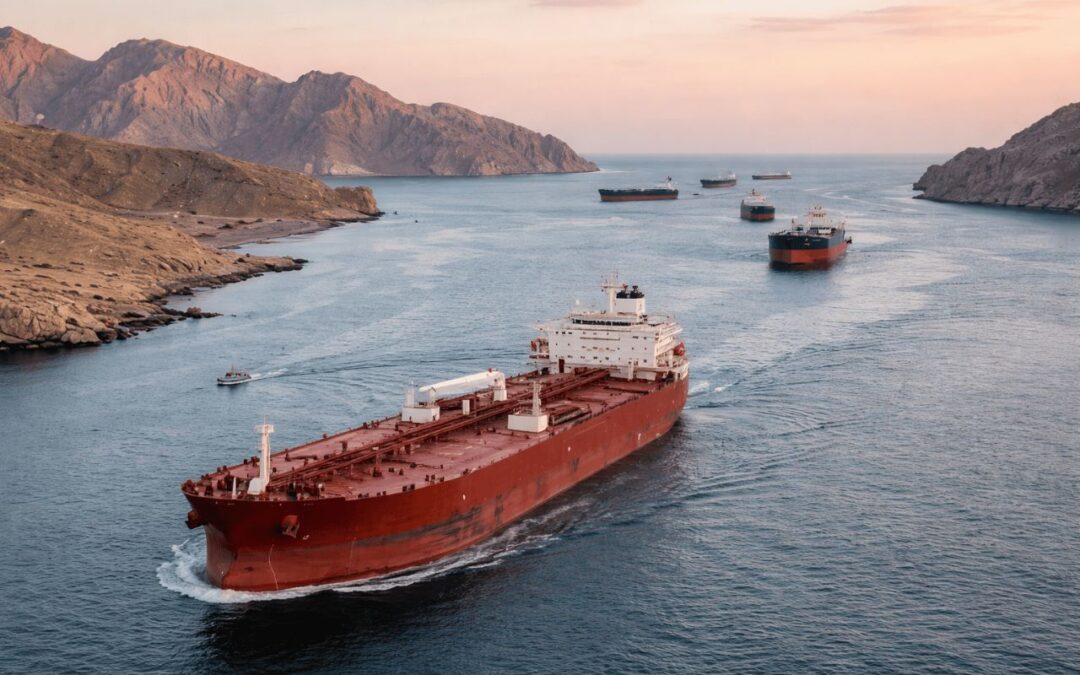
Synopsis: A few narrow sea routes are the pathways through which oil flows to the rest of the world. However, in 2026, these chokepoints are becoming hotspots of great danger due to the increasing tensions in geopolitical relations. This article discusses on how a handful of disturbances can affect fuel prices, trade and the world economy.
International oil markets do not only rely on the production, but they rely on a given number of maritime pathways which serve as bottlenecks. These oil chokepoints process huge amounts of daily crude oil movement and therefore are critical to a well running global energy market. These waterways combine to transport almost 80 million barrels of oil a day across sea routes making them all hotspots in the world economy.
Strait of Malacca – 23.2 Mn B/D
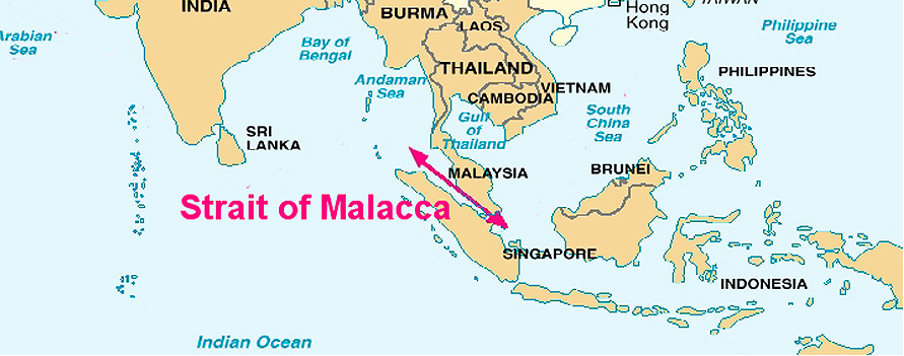
The Strait of Malacca is the largest-oil transit chokepoint with 23.2 million barrels per day (b/d) of crude oil and petroleum liquids passing through it. It lies between the South China Sea, India Ocean, and Pacific Ocean, and thus the shortest and most efficient oil trading route in the world.
This bottleneck is particularly eminent to the Asian energy-importing countries, and countries such as China, Japan and South Korea are highly reliant on this route as a source of oil reserves in the Middle East. It is strategic and in high volume; hence any misstep would affect the global oil flows considerably, since they would have to route their shipments at longer alternative routes, and the costs of transportation would rise. Due to 2026 geopolitics, especially disturbances along other major chokepoints such as the Strait of Hormuz, the Strait of Malacca remains more relied upon to ensure that the oil flows are stable in Asia.
Strait of Hormuz – 20.9 Mn B/D
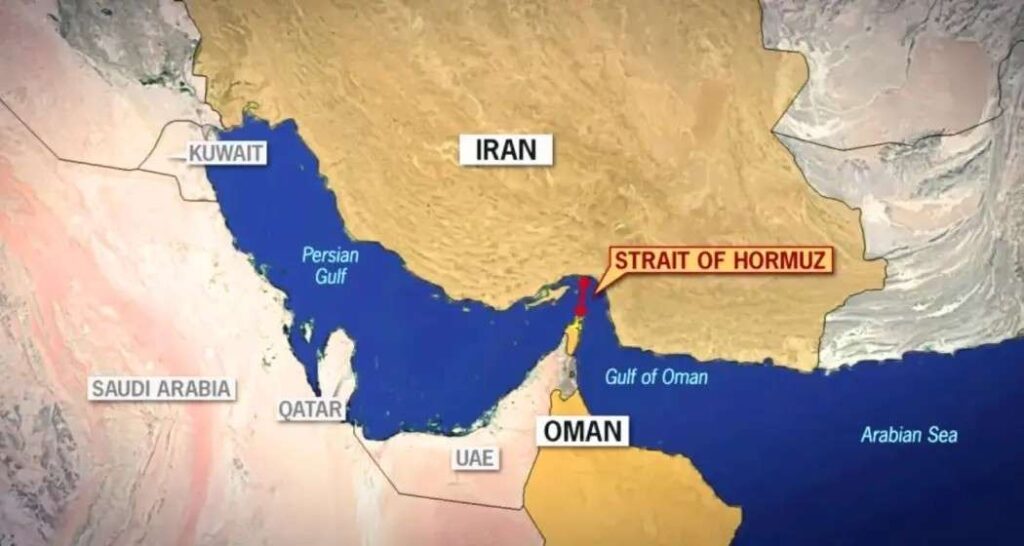
Strait of Hormuz is the second most famous route which transmits about 20.9 million barrels per day (b/d) of crude oil and petroleum liquids. It lies between Oman and Iran, linking the Persian Gulf to the Arabian Sea, and is the main export pathway of the oil produced in the Gulf region.
This is a critical chokepoint in the global energy supply, with key oil exporters like Saudi Arabia, Iraq, UAE, Kuwait, and Iran depending on it to move crude to the world market, and particularly, to Asia. Its small opening and the large volume means that any disturbance could affect the world supply of oil and oil prices disastrously. Geopolitical tension and disputes have amplified the danger around the Strait of Hormuz, raising worries over the possibility of disruption of supplies and supporting its significance as one of the most delicate energy chokepoints globally.
Cape of Good Hope – 9.1 Mn B/D
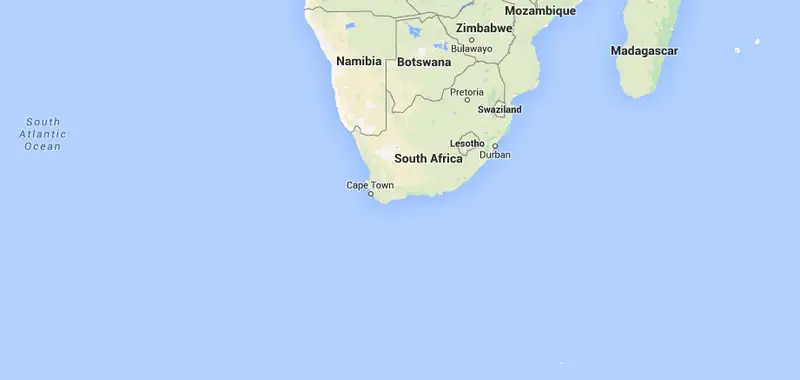
Although not a chokepoint, the Cape of Good Hope is the third largest route, which has an approximate of 9.1 million barrels a day (mb/d) of crude oil and petroleum liquids passing through. It is an alternative sea route between the Atlantic and the Indian oceans and is found at the southern end of South Africa.
This is the path that the ships normally follow when they do not want to go through other chokepoints such as the Suez Canal or Strait of Hormuz, particularly during interruptions. As geopolitical tensions continue to rise in key chokepoints, traffic there has become significant as an alternative route in case of disruption, although transit time and shipping costs are continuing to rise.
Danish Straits – 4.9 Mn B/D
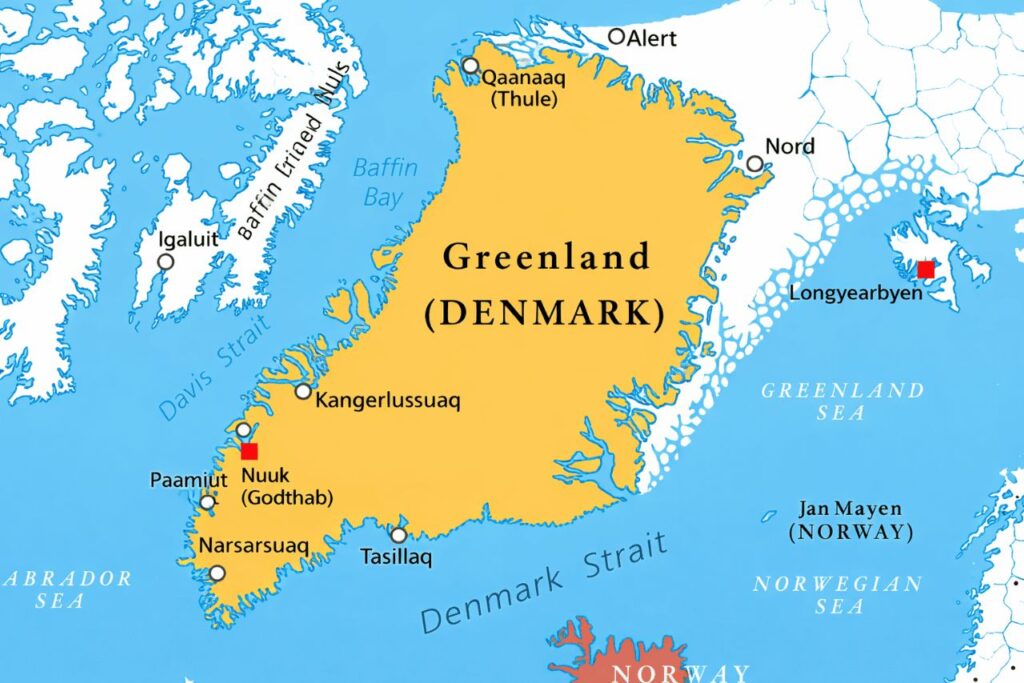
Danish Straits constitute the fourth biggest oil transit chokepoint with an approximate of 4.9 million barrels per day (b/d) of crude oil and petroleum liquids passing through it (1H 2025, EIA). Situated between Denmark and Sweden, they connect the Baltic Sea to the North Sea and thus are an important energy trade route in the region.
The chokepoint is mostly utilized in the transportation of oil and petroleum products of Russian and other exports of the Baltic region to the international markets, Germany, Poland and other Northern European countries rely on this route for both imports and transit. It is a major source of energy in the European energy chains especially to those countries that rely on imports by the Baltic region. Russia and European geopolitics have enhanced the strategic sensitivity of the Danish Straits in 2026 and have influenced oil flows and underlined their role in ensuring a stable distribution of energy in the region.
Also read: Top 5 Sectors in India Set to Deliver Massive Growth in the Next 5 Years
Suez Canal – 4.9 Mn B/D
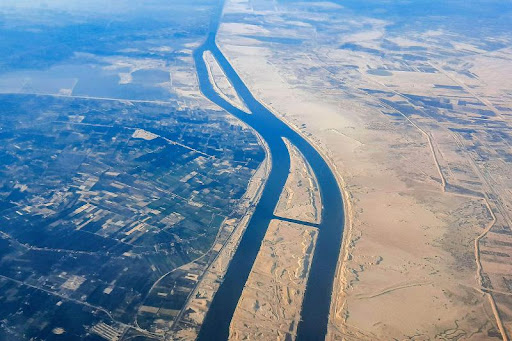
The fifth-largest chokepoint in the petroleum liquid transportation is the Suez Canal that is estimated to receive about 4.9 million barrels per day (b/d) of crude oil and petroleum liquids (1H 2025, EIA). It is found in Egypt and it links the red sea with the Mediterranean Sea thus offering a direct route between Asia and Europe.
The route is important in oil export between the Middle East, Europe and North America and its closure would be devastating to the oil consumers in those parts of the world. The geopolitical tensions in 2026 have intensified the role of the Suez Canal because any disruption may result in a negotiating route, which will subsequently result in increased shipping costs and delays in oil supply chains across the world.
Bab el-Mandeb – 4.2 Mn B/D
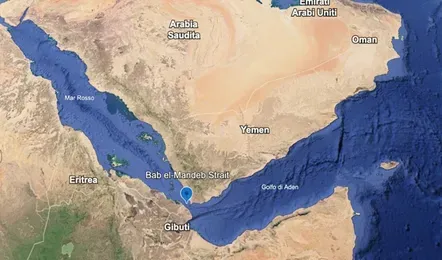
Bab el-Mandeb is the sixth-largest oil transit chokepoint and the crude oil and petroleum liquids that pass into it amount to about 4.2 million barrels per day (b/d) (1H 2025, EIA). It lies between the Arabian Peninsula and Africa (Djibouti, Eritrea) bridging the Red Sea and the Gulf of Aden.
This is a strategic chokepoint through which oil is transported between the Middle East and Europe particularly by passing through the Suez Canal. European and North American countries rely on the route as sources of energy for the Gulf region. The hostilities and security threats near Yemen in 2026 has exposed this route to high vulnerability, and there are the fears that this route is subject to interruptions and how they will affect energy processes in the world.
Turkish Straits – 3.7 Mn B/D
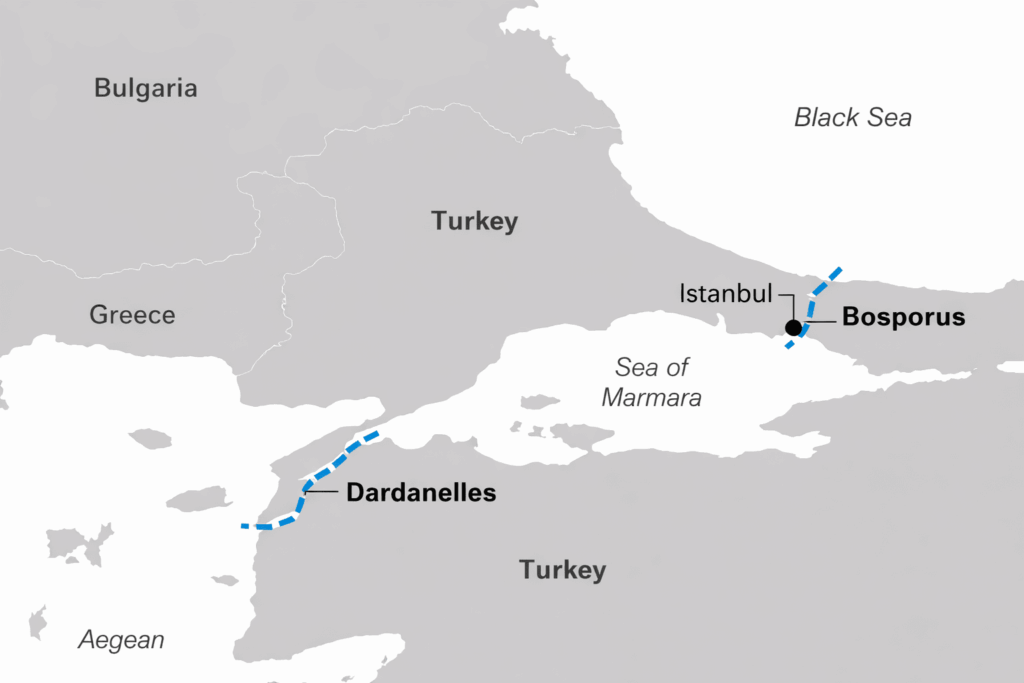
The seventh-largest oil transit chokepoint is the Turkish Straits which have a flow of about 3.7 million barrels per day (b/d) of crude oil and petroleum liquids (1H 2025, EIA). They are situated in Turkey, and they are able to connect the Black Sea with the Mediterranean Sea through the Bosporus and Dardanelles straits.
The route has been mostly used in moving oil produced by Russia and the Caspian Sea to the world market. European countries, particularly those who have been relying on the flows of energy in the Black Sea, use the passage to be sure of constant flow of oil and transit. The geopolitical tensions of 2026 have made the Turkish Straits strategic because any disturbance can directly affect oil export of the Black Sea region and even the entire global supply chains.
Panama Canal – 2.3 Mn B/D
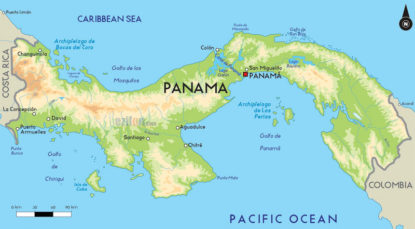
The Panama Canal is the 8th largest oil passageway, and about 2.3 million barrels per day (b/d) of crude oil and petroleum products are transported through the canal (1H 2025, EIA). It is situated in Panama, whereby it links the Pacific Ocean with the Atlantic Ocean, which has been a major shortcut route in global maritime commerce.
It is also a key passage of oil between the Atlantic Basin and Asian markets. The nations that are dependent on the inter-ocean trade are also in an advantaged position to enjoy the short-travel time when compared to the long routes that pass all over South America. Due to operational restrictions and pressures in the global trade in 2026 the canal will affect the efficiency of oil shipments and also escalate costs due to transportation.
The world oil chokepoints are very important in energy trading, whereby a big proportion of world oil is traded by only a few and narrow roadways. These routes are even more susceptible to disruption in 2026, as growing geopolitical tensions have rendered them worse than at the time when such events can easily affect supply and prices. A stable global energy system requires that they become stable.
Written by Boyapati Sai Jasmitha