
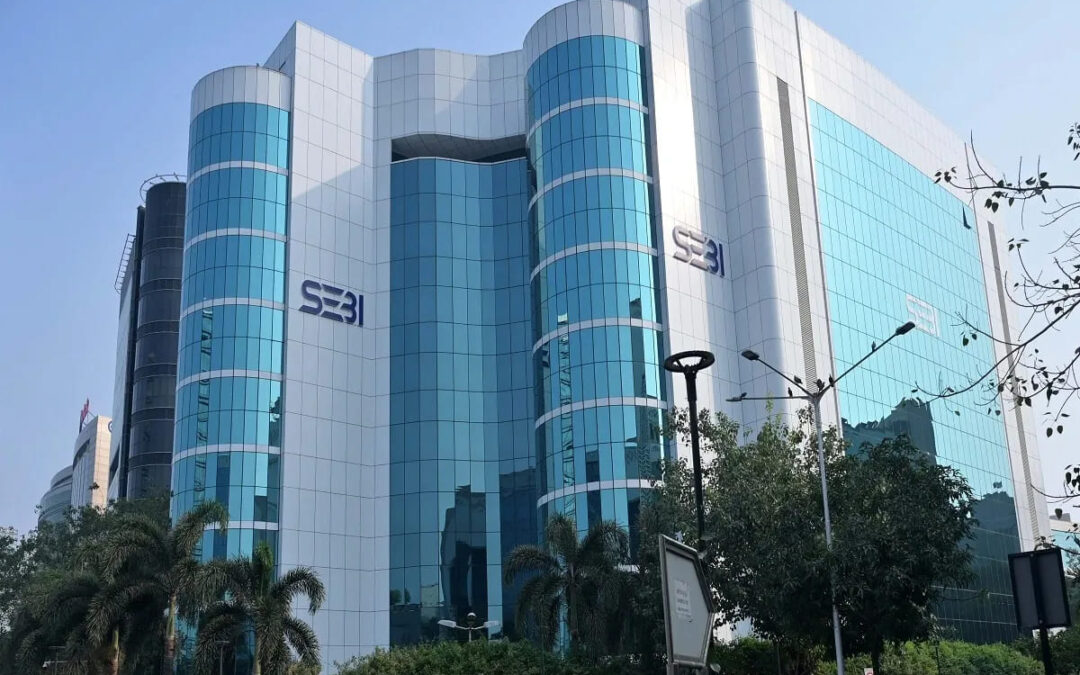
Synopsis: SEBI has revised the trading framework for Exchange Traded Funds (ETF), removing the dated flat price band system in favour of dynamic, asset-linked pricing. The changes will take effect from September 1, 2026, and are aimed to reduce the gap between ETF market prices and the actual value of their underlying asset value.
SEBI, India’s markets regulator, has issued a circular making significant changes to how ETFs are priced and traded in the stock market. The move follows recommendations from SEBI’s Secondary Market Advisory Committee and rounds of stakeholder consultation.
The Problem with the Old System
For years, the base price used to set ETF trading bands was taken from the NAV of two trading days prior, which is, T-2. On top of this stale reference point, a blanket ±20% band was applied uniformly across all ETF categories, whether it is a Gold ETF, a Liquid ETF, or an equity index fund. This common approach used for all the ETF categories meant that price bands will have less relation to the actual volatility of the underlying asset value, making ETF prices to vary considerably from fair value during active market sessions.
New Base Price Methodology
From September 1, 2026, the reference point for setting ETF price bands will be to the previous trading day’s closing price which is, calculated as the Volume Weighted Average Price (VWAP) of the last 30 minutes of trading. If the ETF records no trades in that window, the last traded price for the day will apply. Where an ETF sees no trading activity at all on a given day, the most recent available NAV will be used as the fallback. Additionally, SEBI has stated that, the exchanges and AMCs will adopt T-1 closing NAV as the base price by April 1, 2027, which is temporarily pending due to some operational issues.
Also read: 4 Major Banks Offering GIFT City Fixed Deposits: High Returns, Tax Benefits & Global Access
Dynamic Bands Replace Flat Limits
For equity and debt ETFs, other than Overnight and Liquid ETFs, SEBI has replaced the fixed band with a dynamic range starting at ±10%. This can be widened to ±20% following a mandatory cooling-off period, which will allow the band to respond to genuine price movement rather than arbitrarily capping or flooring trades.
Commodity ETFs to Get Pre-Open Auction
Gold and Silver ETFs will now have a call auction session before regular trading begins. Since the underlying commodities are priced across global markets that operate outside Indian trading hours, the pre-open auction helps establish a fair equilibrium price before the domestic session opens.
Close-Out Norms Tightened
For Overnight and Liquid ETFs, the close-out price will be whichever is higher, the peak price recorded in the ETF up to the close-out date, or 5% above the last available closing price on the day auction offers are invited.
The revised framework represents the most comprehensive update to ETF trading norms in over a decade and is expected to improve liquidity, tighten tracking efficiency, and make ETF pricing more reflective of real market conditions.
Written by Jahnavi