
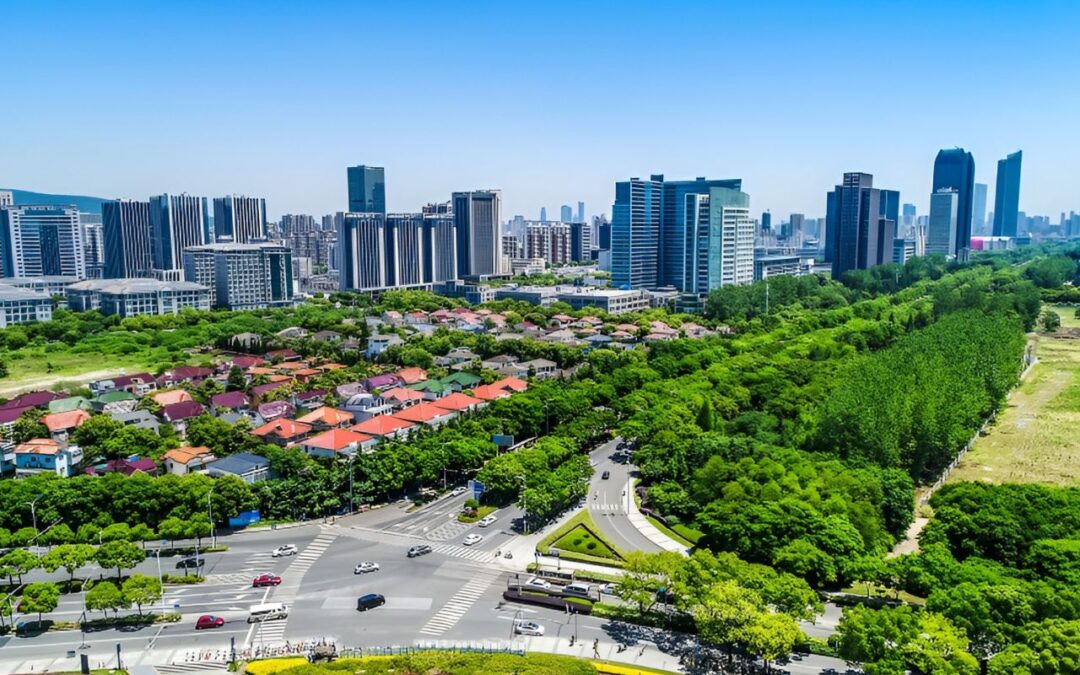
Synopsis: Bengaluru’s real estate market shows a clear division, where on one side are the fast growing IT corridors, shaped by employment density and modern housing supply and on the other is the core city areas, defined by lifestyle, legacy neighbourhoods and scarcity. This analysis explains rental trends, comparing costs, demand, and why tenants may pay more in one location over the other.
The city of Bengaluru has transitioned from being a garden city to becoming a global tech centre. With the growth of jobs has come the growth of the need for housing creating two geographic areas of the rental market. The IT corridor is defined by the outer ring road and the eastern and southern tech belt, while the core city is defined by the existing central neighbourhoods. Both areas attract high-end tenants; however, the justification for the differing amount tenants are willing to pay to rent is quite different between the two places.
The IT Corridor: Peripheral tech related areas
Localities such as Whitefield, Brookfield, Mahadevapura, Bellandur, Sarjapur Road, Marathahalli, HSR Layout, ORR area and Electronic City exist primarily to serve employment clusters.
- The working professionals, mid-career tech employees and expats seeking functional, amenity rich living for shorter commutes, saving time and stress which is worth paying extra for convenience and comfort.
- Newer towers, gated communities, amenities and co – living options have made this locality with greater investments and ROI.
- Due to its IT corridors, rentals along the line have increased drastically with property value appreciation.
- Rental Yields: 2BHK rents typically range around Rs.35,000 – 45,000 in Sarjapur/ Bellandur/ Whitefield areas though affordable pockets exist as well. 1BHK rents can be Rs. 9000 – Rs. 35000 depending on furnishing and exact micro location.
The Core City
Neighborhoods like Kormangala, Indiranagar, Jayanagar and MG Road represent the city’s cultural and social heart.
- Senior Executives, startup founders, dual income families, and lifestyle driven tenants willing to pay a premium per square foot.
- These localities contain lifestyle density like Cafe’s retail, nightlife, parks, educational institutions and hospital are accessible in minutes span.
- Redevelopment is restrained, scarcity keeps prices firm. There is limited new supply.
- The address value matters especially for senior professionals and entrepreneurs.
- Rental Yields: Tend to be higher often Rs. 35000 – Rs. 70,000 + for 2 BHK flats and premium units can cross across Rs. 1,00,000 and more. Central zones command a prestige / lifestyle premium compared to many IT corridor locations.
| IT Corridor / City Core areas | 2BHK Rent range in Rs. | Description |
| Whitefield (IT hub) | 30,000 – 50,000 | Newer apartments close to EPIP/ ITPL with decent amenities. |
| Bellandur / Sarjapur | 35,000 – 45,000 | Higher range due to demand near tech parks and connectivity. |
| ORR & Peripheral Tech nodes | 35,000 – 45,000 | Higher range due to demand near tech parks and connectivity |
| Kormangala | 47,000 – 65,000 | Premium central area with strong lifestyle demand. |
| Indiranagar | 42,000 – 84,000 | Very high rents majorly for furnished or larger units. |
| Broader central range | 28,000 – 50,000 | Many central units fall in this band depending on property life / amenities. |
Who Pays More?
- Square Footage: Tenants living in the core city generally have a higher rent per square foot because of scarcity and lifestyle.
- Overall Monthly Rent: Prime IT corridor homes located close to their work place can equal or even exceed the core monthly rent due to increased size and amenities.
- Value Perception: The IT corridor provides value based on efficiency while the core city provides value based on experience.
| Location Type | Typical Rent level | Why |
| Core City | Higher | Urban amenities, prestige, central connectivity |
| IT Corridor | Moderate – High | Job proximity, varying inventory, commuter convenience. |
| Peripheral / Older IT hubs | Lower – Moderate | Cheaper base stock, older developments. |
Development in Infrastructure
Metro expansions, arterial road upgrades, and social infrastructure blur old boundaries. As connectivity improves, select IT corridors nodes gain lifestyle advantages, while central areas maintain their premium through maturity and brand.
Why this difference exist
- Employment proximity: Prospective tenants for technology hubs may choose to pay slightly higher rents for their worksite since many of the jobs located within metropolitan technology hubs are within easy reach and may lack reliable access via public transportation.
- Lifestyle and Amenities: Central city neighborhoods within metropolitan technology hubs view lifestyle amenities such as restaurants, retail, and entertainment as part of their success.
- Connectivity and Infrastructure: All locations within the metropolitan area that are located in close proximity to metro transit systems have a significant amount of demand, resulting in higher rents. The extension of metro corridors that connect peripheral neighborhoods and metropolitan center neighborhoods has contributed to the growth and rising rents in previously low-cost technology regions.
- Supply and development patterns: The central neighborhoods of metropolitan areas have no new development, resulting in high demand for vacant units, which has caused rents to rise in these neighborhoods. Conversely, the peripheral neighborhoods of metropolitan technology hubs continue to have significant amounts of new development, which provides additional availability to renters.
Future Outlook
- The Core City areas command high prices due to legacy demand, lifestyle appeal, central connectivity and limited new supply.
- Tech corridors and suburban growth zones promise strong capital appreciation and rental yield due to high job density, infrastructure plans and shifting buyer interest. They deliver better ROI in the future because of growing connectivity, large land availability and strong employer / IT presence.
- Bengaluru aims high Metro targets of a 175km network for citywide connectivity near the IT corridors for easy commute. Satellite Ring Roads and Rail will enhance connectivity to peripheral zones which are lifting prices in those segments.
- Whitefield and Surjapur corridor extensions are best for long term capital growth investment, strong rental yields with stable growth providing premium amenities.
To conclude
The Bangalore Rental Narrative is not about which side is winning; it’s about there being two different value systems. The IT Corridor charges a premium for the advantages of convenience and modern lifestyle. Rentals in the Core City are higher because they represent a lifestyle legacy and are rare. Tenants in the Core City prefer an experience as opposed to commuting.
Written by Soumya M