
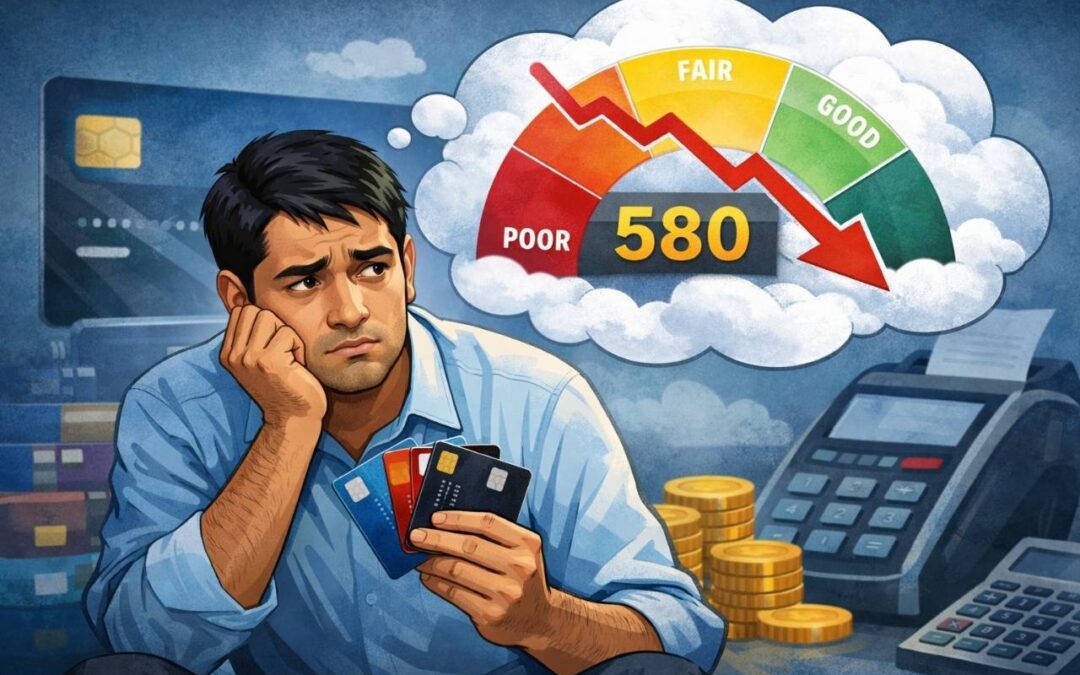
Synopsis: A credit score stuck around 580 can limit loan approvals and increase borrowing costs. This article dives into how controlled credit usage, smarter borrowing and other habits can gradually improve your credit score and help you move closer to the 800 range over time.
A weak credit score often works silently against you. The impact of a rejected loan application or an unusually high interest rate shows up when you need credit the most. If your score is hovering near 580, it doesn’t mean your financial future is locked in.
Credit scores change more quickly than most people perceive it to be and with the right habits a steady improvement is well within reach. The first step toward rebuilding your score is understanding how credit bureaus judge risk.
What Usually Pulls a Credit Score Down
In most cases, a low score is the result of ongoing patterns rather than a single mistake. Some of the usual repetitive mistakes are such as delayed payments, over reliance on credit cards, and too many loan enquiries.
Credit reports track how much credit you consume and how responsibly you manage borrowing over time. Once these patterns improve the score begins to recover naturally.
1. Timely Payments Make Big Impact
Payments made on time and on a regular basis send a strong signal of financial discipline. It can be done by automating EMIs and paying before the due date. Even during cash-flow pressure clearing the minimum amount due can protect your credit history from long-term damage.
2. Lower Your Credit Usage
When you use a large portion of your available credit limit it holds your score back even if bills are paid on time. Most lenders prefer to see that you are not dependent on borrowed money for everyday expenses. The usage should balance well below your total limit. This can be achieved by spreading expenses sensibly to improve this ratio.
3. Old Accounts Work in Your Favour
Older credit accounts strengthen your profile by extending your credit history. That is why closing cards that have been active for years may reduce your average credit age and push your usage ratio higher. If a card doesn’t carry excessive charges then keeping it open with occasional small transactions can support score growth.
4. Clearing Outstanding Dues
A consistent repayment cycle reduces financial stress and helps in multiple components of your credit score at the same time. Thus, high balances particularly on unsecured loans and credit cards could slow down improvement. Accounts with overdue payments should be addressed first then followed by reducing revolving balances gradually.
5. Limiting New Credit Inquires
A cardholder needs to have enough gap between new credit card or loan applications because each new loan or credit card request leaves a mark on your credit report. Thus, applying too frequently can raise concerns about financial stability.
6. Review Credit Report More Often
You know, inaccurate entries can unfairly drag down your score? Yes, loans marked unpaid despite closure or incorrect late-payment tags add on to the degradation of your credit score and these are not uncommon. That is why reviewing your credit report and raising disputes when needed helps the score to reflect your actual behavior.
When Will You Reach 800 Credit Score?
There is no one particular step or measure that will skyrocketed your credit score overnight. Years of bad habits and practices that have hampered your score will need time and habitual changes to recover. In other cases, if you are a beginner and want to increase your score these above mentioned pointers apply for that equally. A good credit score and good financial management goes hand in hand. Thus, start right away and rule out what exactly needs to be changed.
Why Is a Strong Credit Score Necessary?
A higher credit score brings more than easier approvals. It helps secure lower interest rates, higher credit limits, better loan terms, and access to premium financial products. Over time, this can translate into significant savings and greater financial flexibility.
Conclusion
A credit score of 580 sometimes is actually a starting point to focus on rebuilding from the low. The basic mantra that needs to be focused on is to stay consistent with repayments, keeping credit usage in check, reducing outstanding debt, and borrowing cautiously. These few changes in the financial habits would directly impact the overall profile and grant a chance to improve steadily. Simple, repeatable habits can quietly work your credit profile to move closer to the 800 mark.