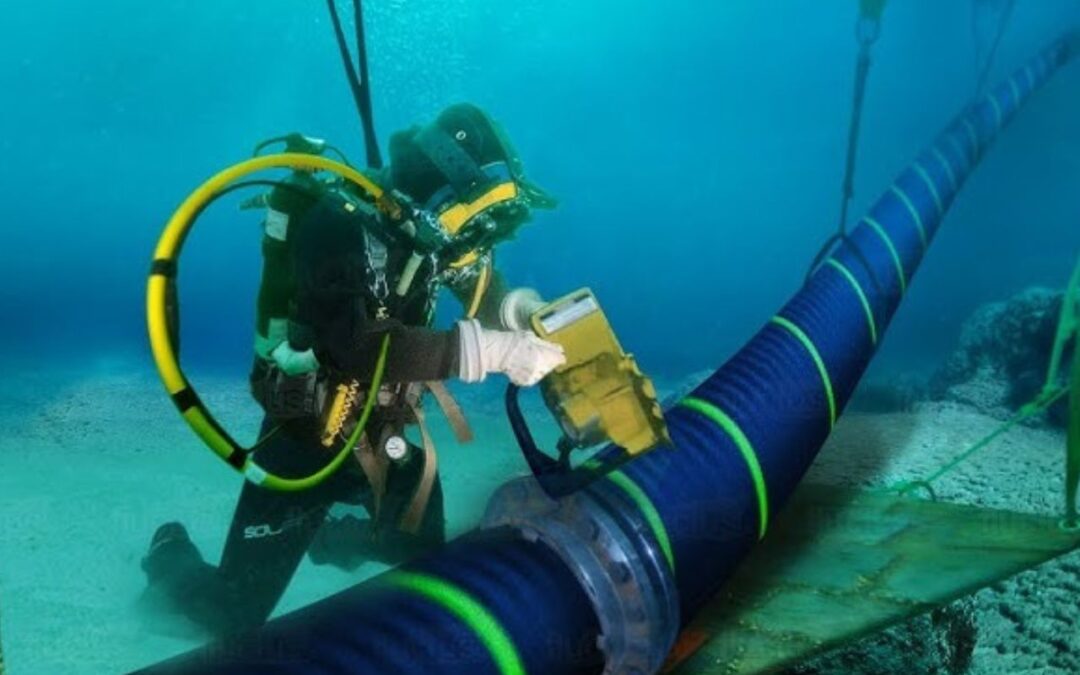
Synopsis: Undersea fibre optic cables are the hidden arteries of the global internet highway network playing a pivotal role in transforming India’s data center ecosystem. India’s target for undersea cables in 2025 is to quadruple its data transmission capacity by activating new, next generation data cables like the IAX, 2 Africa Pearls and IEX.
As India races towards a data driven future, the synergy between submarine cable infrastructure and data center deployment is emerging as a cornerstone of digital growth and global connectivity. The submarine cables are the backbone of global internet infrastructure. Coastal cable landing zones such as Mumbai and Chennai have become data center powerhouses. Through these undersea cables, inland metro areas are benefiting via terrestrial fibre connected to cable hubs.
Why Undersea Cables Matter for Indian Data Centers
India’s data center capacity is over 1.5 GW and growing fast, with approximately 17 international subsea cables landing at approx. 14 cable landing stations (CLS) in just a handful of top coastal cities like Mumbai, Chennai, Kochi, Thoothukudi and Thiruvananthapuram. These cable sites plug directly into terrestrial fibre and then into large carrier neutral data centers.
Indian Cities with Undersea Data Cables
1. Mumbai
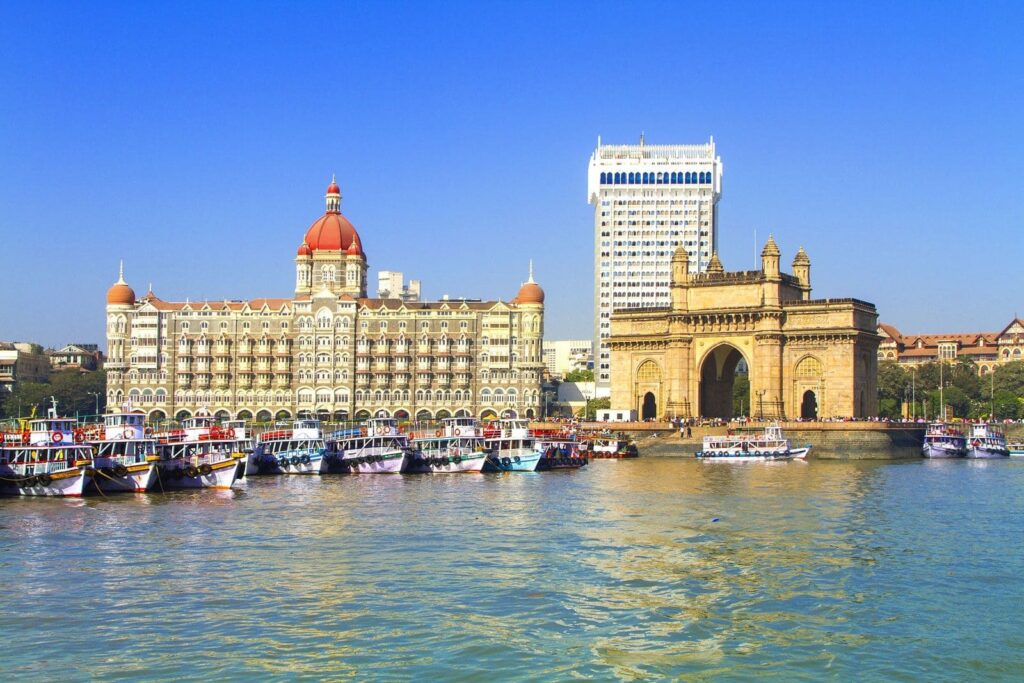
India’s primary data centre and subsea cable hub. It is a city with multiple legacy and new systems like FLAG, SEA-ME-WE variants, IEX / IAX interconnect, 2 Africa Pearls etc operated by Airtel, Tata, Jio, Global Consortia etc. Mumbai now holds around 53% of India’s total data center capacity; this dominance is explicitly linked to being the main landing site for global submarine cables and to major internet exchanges. Mumbai is first choice for Hyperscale cloud regions (like AWS, Azure, GCP, Oracle etc), OTT Video CDNs and gaming along with Financial trading workloads that need ultra low latency to global markets.
2. Chennai
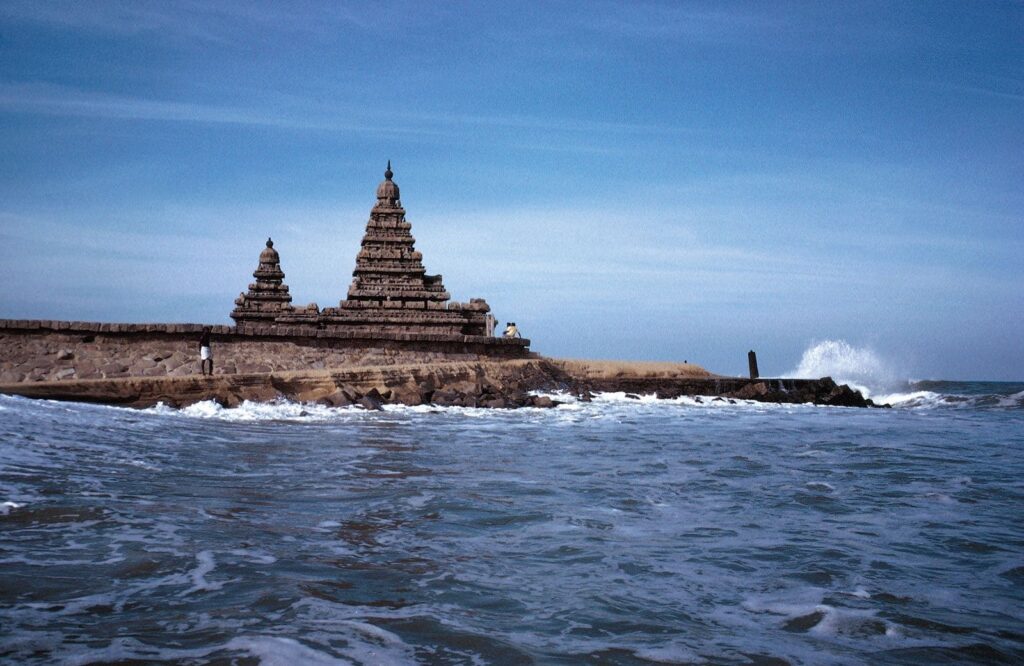
The second major subsea and DC hub on the east coast, where several systems are present like SEA-ME-WE, IAX trunk, domestic island cables etc. Chennai is on the IAX(India Asia Xpress) route linking Mumbai & Chennai to Singapore. This city provides the lowest latency route from India to Singapore and broader SE Asia, which is important for cloud interconnection to Singapore’s massive regional hubs, trading, fintech and SaaS traffic between India and ASEAN. The South India’s data center market is projected to grow around 65% by 2030. Undersea cables have turned Chennai into India’s east coast gateway and a preferred DC location for traffic to/from Singapore and APAC.
Also read: List of Major Hyperscalers Investing in Data Centers in India (2025)
3. Kochi & Thoothukudi / Thiruvananthapuram (Kerala & TN Coast)
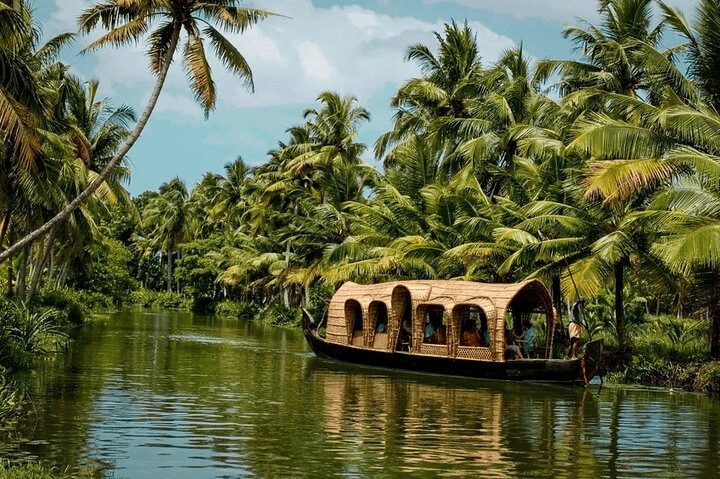
These are smaller coastal cities but very important for cogs in the cable and DC ecosystem. Multiple international systems terminate here like Kochi-Lakshadweep and Chennai- Andaman. Kochi and Thiruvananthapuram are emerging as edge or regional DC locations for cable landing station co – location, redundancy paths for Mumbai / Chennai in case of cable faults on specific routes. They help bring high capacity internet closer to tier 2 and 3 cities in South India via terrestrial backhaul which supports and strengthens cloud PoPs, regional access along with attracting cable adjacent DC investments.
4. Bengaluru, Hyderabad, Delhi NCR (No Sea Coast but Big DC clusters)
These cities dont have undersea cable landings themselves but are hugely impacted by them. The above cities cable connect to national long distance fibre that feed massive campuses in Bengaluru, Hyderabad and NCR, these cities use coastal cable hubs as primary international gateways then combine with local demand (IT/ITES in Bangaluru, Pharma and tech in Hyderabad and government, BFSI in Delhi NCR). As subsea capacity increases, bandwidth to interior DCs gets cheaper and more abundant making it run large AI training clusters, big public cloud regions and availability zones and disaster recovery sites far from the coast.
Also read: Top 10 Major Companies Fueling India’s Rapidly Growing $30 Billion Data Centre Industry
5. New & upcoming hubs: Vizag / Visakhapatnam
Vizag is being positioned as a new AI data center and subsea hub as Sify is building a submarine cable landing station and AI edge data center. The Meta’s Project Waterworth subsea cable will have India landings tied into the east coast further enhancing connectivity.
Impact on the Data Centers
- Cities with cable landings are becoming primary Data Center hubs, these cables reduce Round Trip Time (RTT) to US, Europe, Middle East and SE Asia by reducing delays and providing faster internet speed.
- More cables mean more capacity, lower data transfer cost and better conditions for building hyperscalers.
- This attracts Big Cloud & AI Companies , as they need fast and affordable internet to run their systems. Networks in these cities connect to multiple cables to ensure high reliability and avoid downtime.
- India’s regulators TRAI and DoT are creating special rules for submarine cable landing stations to improve security and ensure backup connections.
- New Undersea cables like IAX / IEX, 2Africa Waterworth are being built with very high capacity to support cloud services, AI and digital content in the future.
Conclusion
Undersea cables are a silent enabler of India’s digital future which links the country to global data flows. Mumbai and Chennai are virtue of being cable landing gateways which have emerged as the backbone of India’s data center capacity, where inland and interior regions are also gaining from expanded submarine connectivity via terrestrial networks. Subsea cables carry the vast majority of international data traffic. Compared to satellite based communication, undersea fibre optic cables deliver far greater bandwidth, lower latency and more reliability making them indispensable for modern applications like cloud computing, streaming, real time collaboration and AI.
Written by Soumya M