
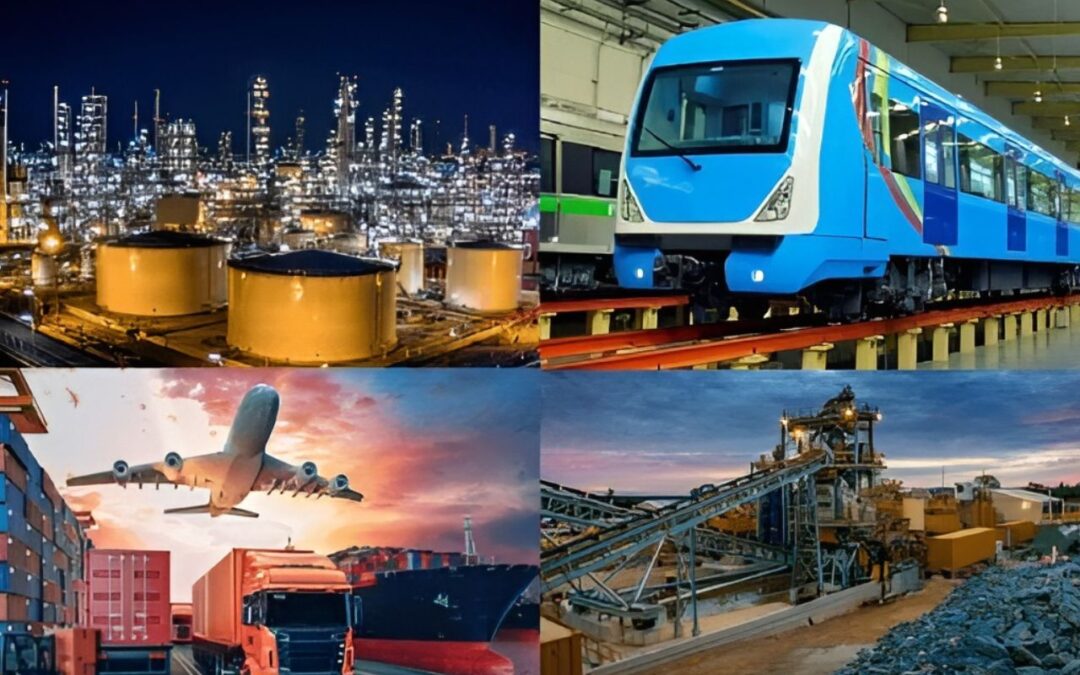
Synopsis: While Make in India began in 2014, its real push came after 2021, as DPIIT outlined 27 fast-growing sectors. This article highlights the five most promising sectors that will drive India’s GDP growth and shape its economic landscape in next 5 years.
Make in India 2.0, which trains its spotlight on the 27 rising sectors, the future of which is the global economy for the next 25 years. The FDI equity inflows in manufacturing have surged up to US$19.04 billion in FY 2024-25, indicating an 18% year-on-year increase, and the sector is also expected to reach the US$1 trillion mark.
1. Electronics & Semiconductor
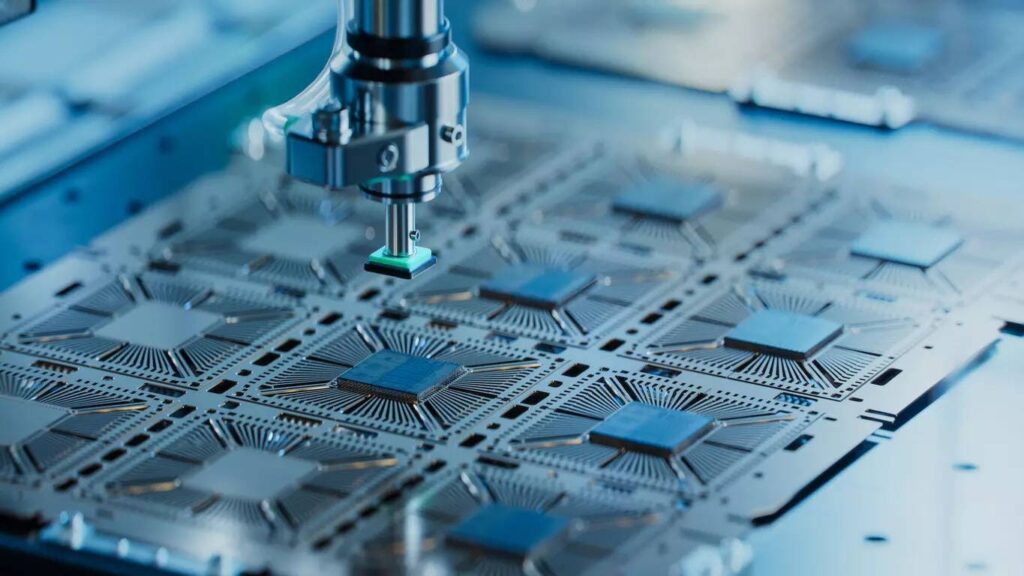
The Indian manufacturing sector contributes approximately 17% of India’s GDP and is anticipated to be one of the fastest-growing sectors. NITI Aayog’s report revealed that India may seize a bigger piece of the global market pie, aiming at exports worth Rs. 2,13,925 crore (US$25 billion) by the year 2035.
Sub Sector Booming
- Semiconductor Manufacturing and Design
- Mobile phone and smartphone production
- Semiconductor packaging (ATMP/OSAT)
- Display fabs and compound semiconductor
- PCBs, wearables, and IoT devices.
Growth Metrics & FII Investment: Over the period of 11 years, the sector recorded a production increase of 6x and an export increase of 800% with the value added to electronics going up from 30% to 70%. In January 2025 alone, electronic goods exports showed a significant increase of 78.97% compared to the previous year, with a total value of US$4.11 billion. The H1 2025 report says that the export of smartphones reached 22.88 million units, a substantial increase from the 15.05 million units during the last year. The Indian semiconductor industry, which was US$34.3 billion in 2023, is likely to reach US$100.2 billion by 2032 owing to strong government subsidies.
Trends in India’s Manufacturing Sector: The Indian electronic motherboards market is anticipated to expand more than six times, reaching a total of Rs. 7,13,696 crore. The country’s tyre exports increased by 9% year on year in the financial year 2025, amounting to Rs. 25,051 crore.
2. Automotive & Electric Vehicles
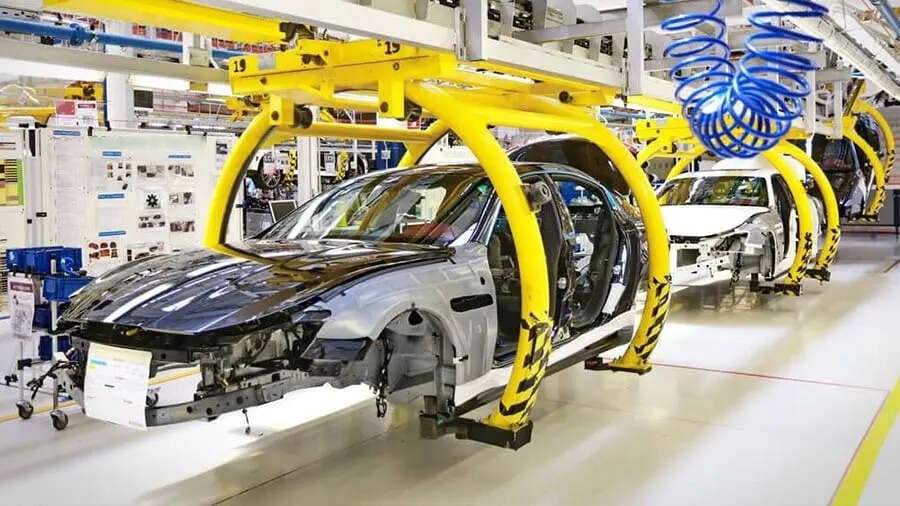
The automotive industry is a fundamental driver of manufacturing GDP and exports, and its transition to electric vehicles, hydrogen cars, and cutting-edge parts is happening at an accelerated pace.
Sub-sector Booming is
- Electric vehicles (EV) Manufacturing
- Battery and Energy Storage Systems
- Hydrogen fuel cell vehicles
- Advanced auto components
- Two-wheelers and commercial vehicles
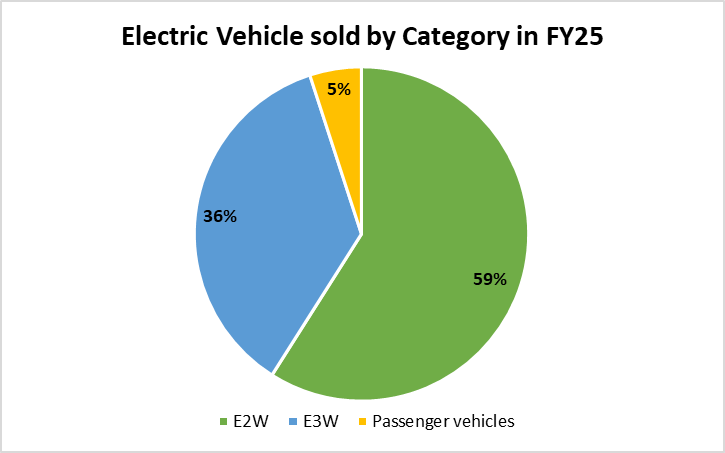
Growth Metrics & FII Investment
- India is the 4th largest automobile producer in the world. The PLI granted for the automotive and auto components industry, which witnessed a staggering surge from ₹346.87 crore to ₹2,818.85 crore in the FY 2025-26, an increase of 8.05x.
- According to the IMARC Group report, the value of the Indian electric vehicle market was US$2.36 billion in 2024, and it is expected to reach US$164.42 billion by 2033, thus averaging a CAGR of 57.23% during the period of 2025-33.
3. Renewable energy & Green Hydrogen
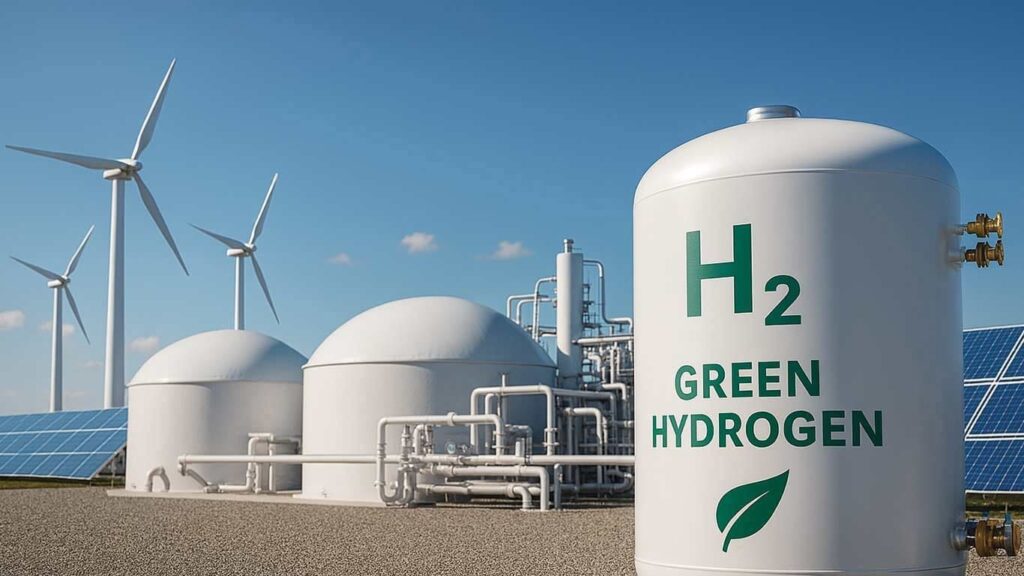
Sectors like manufacturing, electric vehicles, and data centres have grown significantly, which demand power. The electricity consumption of these sectors has increased tremendously. In India, where solar, wind, and hybrid projects are the key drivers of FDI and auction activity, renewable energy is now the leading source of new power capacity addition.
The following are the important industries that are experiencing rapid growth:
- Solar power generation
- Wind energy manufacturing
- Green hydrogen production
- Battery energy storage systems (BESS)
- Hybrid and dispatchable renewable energy
Growth Metrics & FII Investment
- The whole FDI inflows rose from about 1% in FY21 to nearly 8% in FY 2024-25. The industry received US$3.4 billion as FDI in the first three quarters of FY25 only.
- The new power generation capacity in India for FY25 was 33 GW, out of which 89% (29.5 GW) was from renewable sources, representing a significantly larger share than 71% in FY24.
- India could grab 10% of the total global green hydrogen market, which is roughly equivalent to 10 MMT of green hydrogen and green ammonia.
Also read: How China+1 Strategy Is Redrawing India’s Manufacturing Map and Which States Are Benefiting the Most
4. Pharmaceutical & Biotechnology

The Indian pharmaceutical industry is changing from producing generics to creating complex formulations, biosimilars, and biopharmaceuticals, while being a major player as a supplier of low-cost medicines on the global market at the same time.
Here are the booming sub-Sectors
- Biopharmaceuticals and biosimilars
- Contract research organizations (CROs)
- Biomanufacturing and biologics
- Bioagri (genetically modified crops, biofertilizers)
- Medical devices and diagnostics
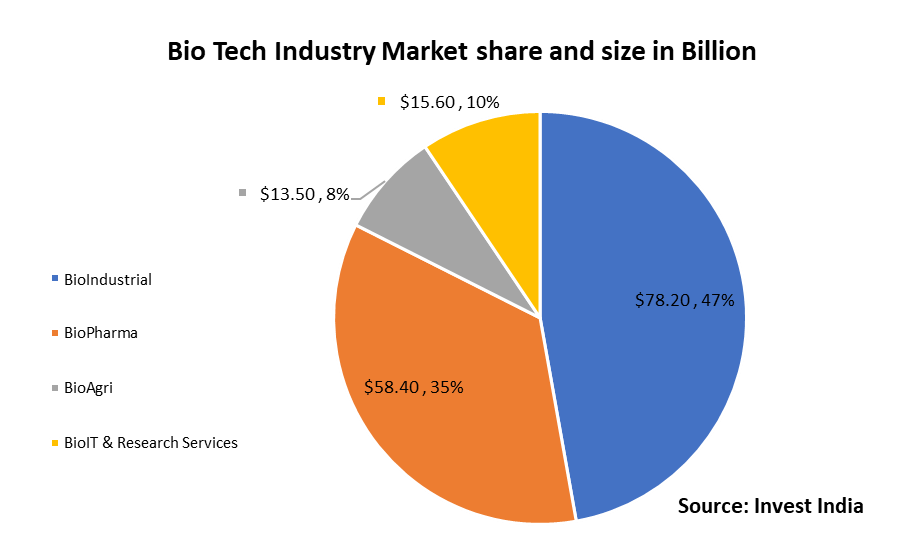
Growth Metrics & FII Investment
- The pharmaceutical industry in India is already a $58 billion business, and the future looks very bright, with predictions of reaching $120-130 billion by 2030 and $400 to 50 billion by 2047.
- The foreign direct investment (FDI) in the pharmaceuticals and medical devices sector was ₹19,134.4 crore in the fiscal year 2024-2025.
- The drugs and pharmaceuticals export saw an annual growth of 21.46% in January 2025, with the total value of US$2.59 billion.
5. Information Technology & AI Services

India’s information technology and digital services sector is gradually moving away from the old outsourcing model, so now investing in sophisticated areas like artificial intelligence, cloud computing, cybersecurity, and platform engineering.
Sub-Sectors Booming
- Artificial intelligence and machine learning
- Cloud computing and data centers
- Cybersecurity and digital infrastructure
- Global Capability Centers (GCCs)
- AI-driven business process services
Growth Metrics & FII Investment
- By the year 2030, India’s AI sector is likely to contribute US$400 billion to the country’s economy with a remarkable CAGR of 28%.
- The data center market, which is expected to be US$10 billion in FY 2023-24, is extremely promising; the total investments in data centers are anticipated to be US$60 billion by 2024, and some estimates even predict this figure to exceed US$100 billion by 2027.
- The GCC’s uptake of GenAI (generative AI) has reached 83%, while 58% are using Agentic AI, and another 29% are planning to scale up within a year.
Conclusion
The Make in India 2.0 initiative solidifies India’s standing as a global manufacturing giant by giving special attention to 27 high-growth sectors like semiconductors, electric vehicles, and renewables, which are expected to result in US$19 billion manufacturing FDI in FY25. Moreover, the PLI schemes are expected to generate US$21 billion in investments and create 1.2 million jobs.
Written by Yatheendra N