
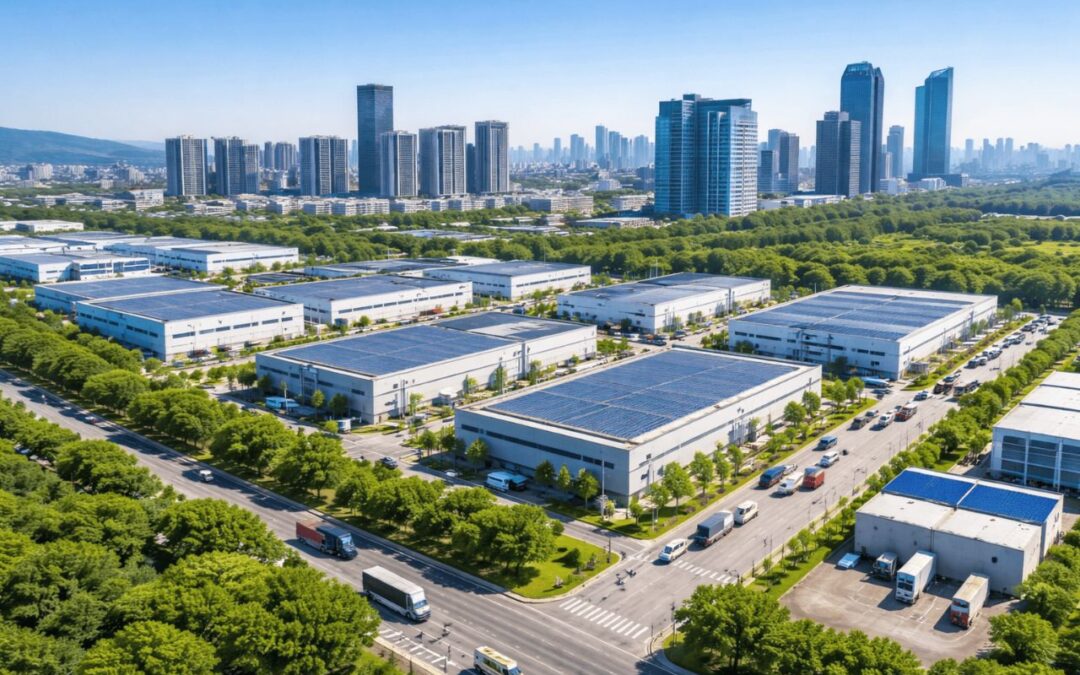
Synopsis: Bengaluru’s industrial township expansion is fueled with several peripheral corridors gaining momentum as large-scale activity clusters take shape. These areas are gradually moving beyond standalone industrial use and developing into broader segments. These particular places are about to be the center for manufacturing, logistics, and everyday economic activity.
Bengaluru’s industrial layout was concentrated in just a few areas like Peenya and parts of the southern belt for many years. These locations in time built strong manufacturing bases and became the city’s main industrial zones. However over the past few years this concentration has started to change. Industrial growth is no longer limited to these older clusters. More activity is moving toward the outer parts of the city. The areas with major highways and near airports are seeing steady interest. These locations offer larger land parcels and better scope for expansion. The industries that need space for factories, warehouses, and movement of goods, this makes a big difference.
Another reason is cost. The cost of land and operation have increased significantly. The companies which are shifting to the outskirts can work more efficiently and still be connected to the city. The improved road networks have also made it easier to manage supply chains from these locations.
How These Top Industrial Township Areas Were Selected
The five areas in Bengaluru were selected based on a combination of factors that indicate their potential to grow into fully integrated industrial townships. First, industrial activity and demand areas with the highest current leasing, factories, or warehousing setups—were prioritized.
- The reports from Cushman & Wakefield and JLL show that Bengaluru records 2 to 3 million sq. ft. of industrial and warehousing demand annually. And these mentioned locations capture a significant share.
- Secondly infrastructure and connectivity to highways, the airport, and freight routes was considered as well. As connected areas tend to attract faster growth.
- Thirdly the supporting services and scalability including availability of large land parcels, supplier networks, and worker facilities were evaluated. These factors allow the area to develop beyond isolated industrial units. Each area was ranked by combining these three factors making sure that the list highlights locations that are already active and have strong potential for long-term growth as self-sustaining industrial hubs.
Top Areas Transforming Into Industrial Township Hubs
1. Peenya
Peenya has maintained its position in the top established industrial regions in Bengaluru. It has a strong base of small and medium manufacturing units and is majorly concentrated in the engineering and fabrication domain. It has slowly yet constantly built a deep network of suppliers, workers, and service providers. According to state industrial data and industry estimates, Peenya houses thousands of MSMEs which makes it one of the largest industrial clusters in the country. This scale itself creates a strong internal world.
Peenya is different in the sense that it does not need to expand outward to grow. It is improving from within. The infrastructure upgrades and redevelopment efforts are helping it become more efficient. Because of its depth and long-standing activity, it already functions like a self-sustained industrial zone rather than just a basic industrial area.
2. Devanahalli
Devanahalli has seen quite a steady growth due to its location which is close to Kempegowda International Airport. This area being nearer to the airport is attracting large industrial parks, logistics hubs, and also major development related to aerospace. As per recent industrial reports, North Bengaluru has been contributing a significant share of new industrial leasing activity with Devanahalli as a key driver. Large developers are also entering this space with planned industrial parks.
The availability of large land parcels allows for organised development for the long run. As more companies set up operations and services the development occurs alongside. This is slowly making the region into an industrial sector rather than a scattered cluster.
3. Hoskote
Hoskote is another area which shouldn’t be left out in this list. It is located in the East of Bengaluru and the major force for its industrial growth is logistics and warehousing demand. Industry reports suggest that East Bengaluru accounts for a notable share of warehousing demand with Hoskote being one of the main locations for new supply and absorption.
As warehouses and distribution centres increase so would more activity start building around them. Transport operators, small businesses, and service providers follow. This steady buildup of support systems is gradually turning Hoskote into a more complete industrial township.
4. Nelamangala
Nelamangala has emerged as a major industrial location in West Bengaluru due to its highway connectivity. It is preferred for large warehouses and distribution centres.
The logistics sector updates indicate that West Bengaluru has recorded a significant portion of the city’s warehousing activity with Nelamangala being a leading contributor. Sectors like transport hubs, storage services, and supporting infrastructure continue to expand which further strengthen its role as a developing industrial township.
5. Jigani
Jigani is an important industrial location in South Bengaluru mainly pushed through with its manufacturing base. It hosts industries across electronics, auto components, and general manufacturing.
Industry trends show South Bengaluru remains a preferred choice for manufacturing companies that require established support services. The presence of suppliers, labour, and other facilities makes Jigani a stable and expanding industrial hub.
Also read: Top 5 Sectors in India Set to Deliver Massive Growth in the Next 5 Years
Comparison Table of Industrial Hubs
| Area | Corridor | Main Activity | Growth Potential |
| Peenya | Central | Manufacturing | Established thus moderate expansion |
| Devanahalli | North | Logistics & Industrial Parks | High because of airport & large parcels |
| Hoskote | East | Warehousing & Distribution | Growing due to strong transport connectivity |
| Nelamangala | West | Warehousing & Large Industrial Units | Medium because of increasing corridor activity |
| Jigani | South | Manufacturing | Steady as supported by suppliers & labour |
Source: Collective data from Cushman & Wakefield India Industrial Reports, JLL and other trustable market resources.
Conclusion
Bengaluru’s industrial townships have a positive outlook for 2026. The outskirts are becoming self-sufficient for business and daily needs. Over time these townships will provide space for manufacturing warehousing and services all in one place. They are making it easier for companies to operate and grow. This development will also improve access to facilities for workers and residents.
Written by Kenbi Riba