
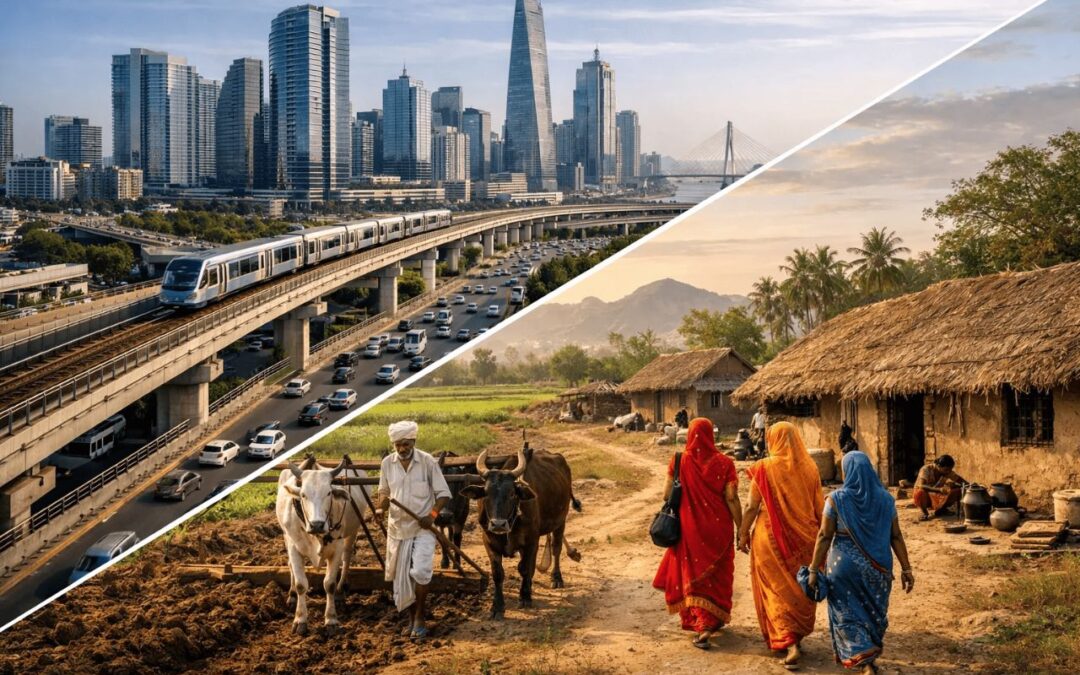
Synopsis: While no state is perfectly balanced, certain states emerge as leaders in balancing rural-urban developments through strong infrastructure, job opportunities and economic growth. Citizens whether living in a small village or a large city, can enjoy equal access to the same quality of education, medical services, housing, and other basic facilities.
The development process of India has become more concerned with the establishment of fair opportunities in the rural and urban environment. This is not only about economic development but inclusive development- making sure that its citizens, whether living in a small village or a large city, can enjoy equal access to the same quality of education, medical services, housing, and other basic facilities.
On the basis of the NITI Aayog SDG India Index 2023-24, as well as the National Multidimensional Poverty Index, there are only a few states that actually are examples of balancing urban as well as rural development side by side. They were able to accomplish something extraordinary in that area. These seven are like examples for the rest of the country. On closing the gaps between economic parts and social ones. It comes from good governance, and those specific policies on investments. Not sure if every state can copy that exactly, but it seems promising.
Kerala: the Universal Access Model
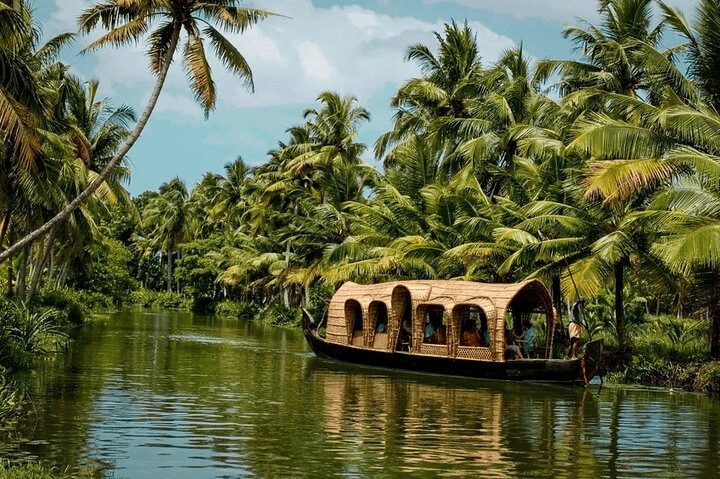
Kerala remains the social development model in India, having the first in both the SDG score of 79 and the HDI at 0.775. The equitable performance of the state is due to decades of spending on the state welfare, education, and universal healthcare that runs equally within the rural and urban segments. Over the past years, Kerala has been increasing its initiative to enhance rural livelihood by adding agricultural assistance, housing to all under the Pradhan Mantri Awas Yojana – Gramin (PMAY-G) and community-based development projects in the 2025-26 State Budget.
- Rural Investments: In the 2025-26 Budget, additional financing available to agriculture (₹10,000 Cr plan), PMAY-G housing extension and rural livelihoods are provided.
- Urban Investments: Kochi Smart City (95% completed) and ₹ 8,000 Cr port modernisation and logistics corridor investments.
Himachal Pradesh: Grassroot Governance: Equity

Himachal Pradesh provides a good example of the potential of decentralized governance in driving a balanced human development. The state has achieved a great HDI of 0.744, despite almost ninety-percent of the population residing in the rural regions, and this is because of the effectiveness of its gram panchayats.The ability of the state to integrate progressive urban planning and rural inclusiveness makes Himachal Pradesh a leader in terms of balanced territorial development.
- Rural Investments: The implementation of PMAY-G 2024-29 and financing the roads/irrigation in 500+ habitation by NABARD RIDF.
- Urban Investments: Shimla/Solan do the best in AMRUT water supply and PMAY-Urban housing.
Punjab: A balance between Agricultural Prosperity and Urban Modernity
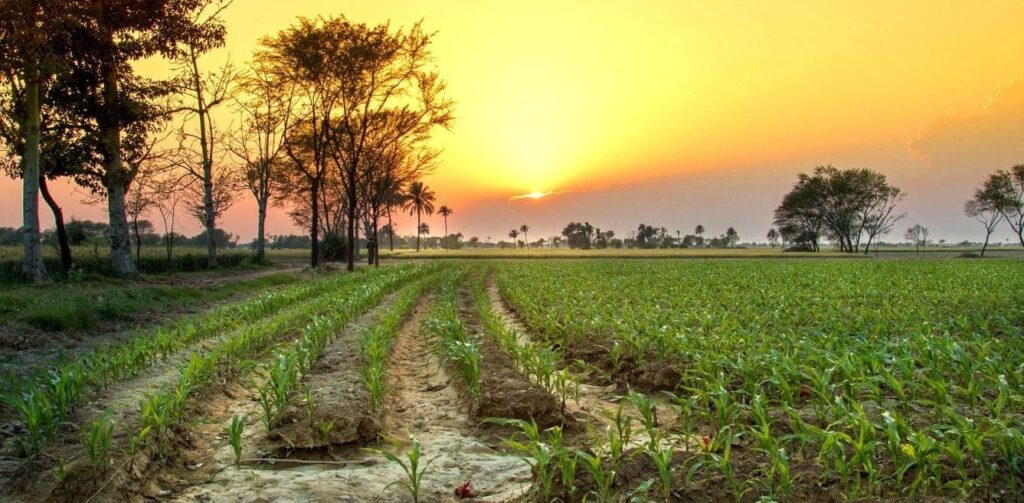
Punjab has been able to balance its traditional agrarian state economy and an emerging industrial and urban foundation. The state is also enjoying the high agricultural productivity which contributes to the prosperity of the rural areas and the downstream urban industries.The developments are indicators that Punjab has transformed into a state in which the rural economy is driving urban innovation, and urban infrastructure, conversely, is boosting rural communities around it.
- Rural Investments: PMAY-G housing targets, PMGSY road connectivity and NRLM livelihood missions.
- Urban Investments Giving e-governance, clean transport, and waste management Amritsar/Ludhiana Smart Cities.
Also read: 5 Cities of Andhra Pradesh with Mega Investments that are Powering Growth of the State by 2030
Tamil Nadu: Industry Development and Universal Welfare

Tamil Nadu shows that social equity can still accompany fast industrial development in case the government is equally concerned about the welfare of both rural and urban population. Being the state with HDI of 0.739 and almost half of its population residing in urban regions, the state is among the most urbanized and at the same time socially balanced areas in India. There has been a rural development with industrial modernization which has allowed Tamil Nadu to record a consistent human development in the entire state.
- Rural Investments: Largest PMAY-G allocation in the country as well as Anaithu Grama Anna Marumalarchi village modernization
- Urban Investments 12 Smart Cities (95% funded) with ₹3,000 Cr co-funding mobility/digital governance
Uttarakhand: On the Frontline of Sustainable and Inclusive Governance

The fact that Uttarakhand has been discovered as one of the best-performing states on the SDGs with the same score as Kerala with a score of 79 only goes to say that the state has managed to bring sustainability and equity into governance.The fact that the state has a holistic approach to both rural and urban development and the growth and development of infrastructure with the preservation of the environment ensures that the mountains and the people are intact and whole.
- Rural Developments:Jal Jeevan Mission (100% Tap WaterFacility) and PMAY-G Housing with Tourism development in the villages.
- Urban Investments: Urban water infrastructure and eco-mobility corridors in the cities of Dehradun/Haridwar.
Maharashtra: Rural-based Economic Powerhouse
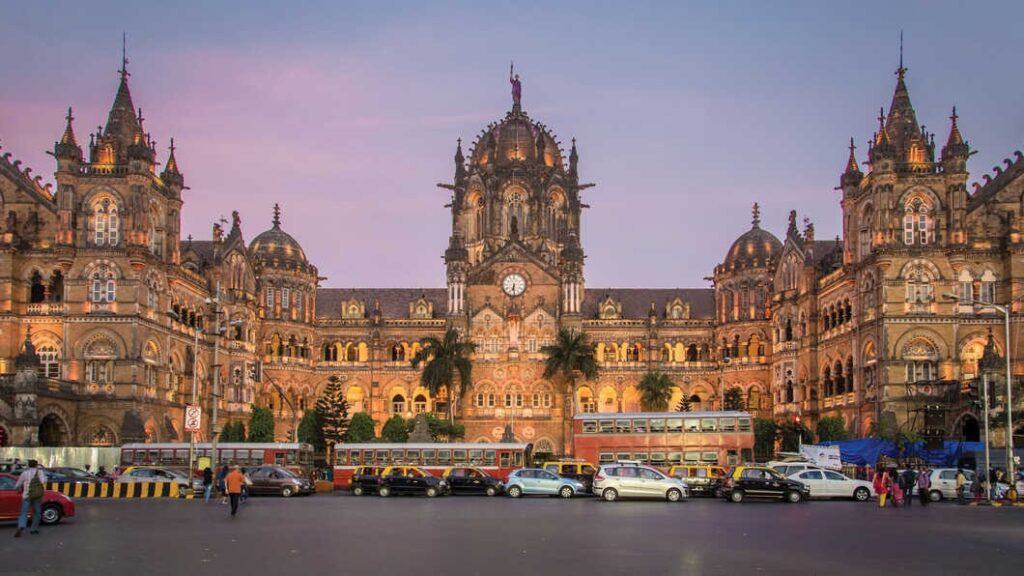
The example of Maharashtra is where an industrial powerhouse applies economic strength to bring about balanced development. The state has a steady increase in the urban population (45 percent of its total) and an HDI of 0.735 level, thus remaining stable in both aspects.The developmental symmetry in the balanced redistribution of infrastructure investment in the state is an example of minimal developmental parallels.
- Rural Investments: ₹5,000 Cr (2024-25) on roads/housing and Jalyukt Shivar water conservation scheme.
- Urban Investments: Mumbai/Pune Metro extensions and three already existing Smart Cities (Nagpur, Kalyan, etc.).
Karnataka: Digital Inclusion to Reduce the Rural Urban Gap
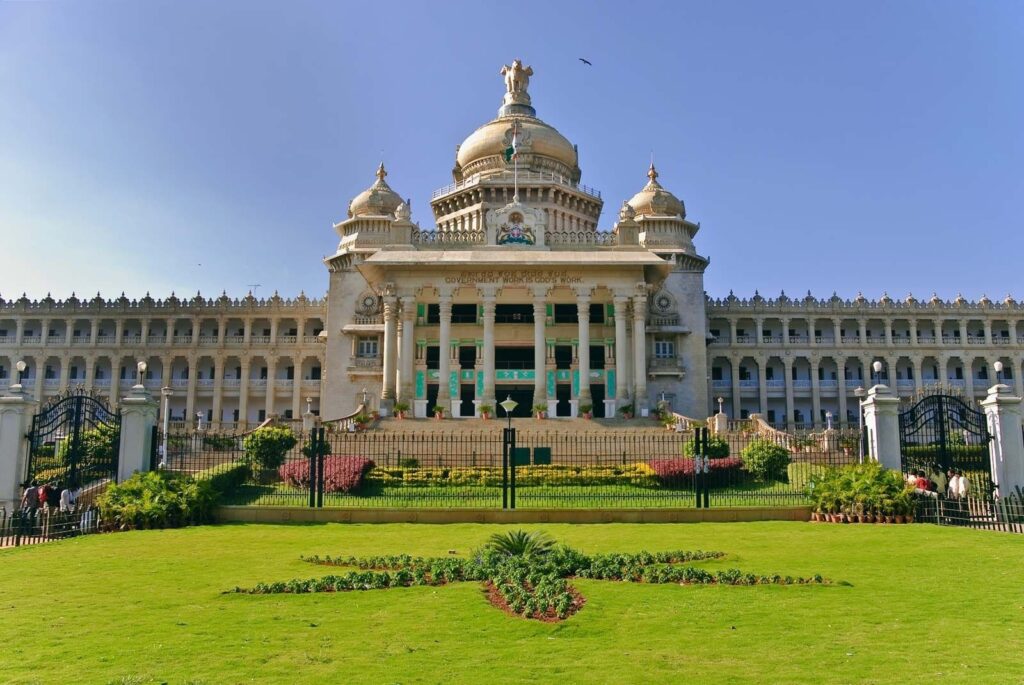
Karnataka is a good example of how the technology can be used to close the rural to urban divide in India. The state has an HDI of 0.742 and a literacy rate of more than 85 percent, which is why it manages to use its technology ecosystem to make the state a better place to live in. The Karnataka digital inclusion has transformed it into an innovator and inclusion leader.
- Rural Investments: ₹2,500 Cr Grama swaraj into rural broadband, e learning centres and telemedicine networks.
- Urban Investments: Bengaluru Smart City and seven urban clusters of integrated housing/digital governance.
Conclusion
The examples of Kerala, Himachal Pradesh, Punjab, Tamil Nadu, Uttarakhand, Maharashtra and Karnataka all prove that balanced development is not accidental or spontaneous but a result of conscious policy decisions, comprehensive planning, and responsive governance. These states have shown that decentralization, sustainable investment and human development can make both rural base and urban ambition stronger. They are living out their combined example of Sustainable Development Goal 10 (Reduced Inequalities) and Sustainable Development Goal 11 (Sustainable Cities and Communities) and reflect the long-term vision of India that is Sabka Saath, Sabka Vikas, Sabka Vishwas. Their models have the potential to determine the new phase of really inclusive and equal development of India should they be scaled nationwide.
Written By Jayanth R Pai