
Synopsis: Real estate AIFs are emerging as one of the most attractive investment alternatives among HNIs and NRIs. In just nine months, investments jumped 8%, rising from ₹68,540 crore in March 2024 to ₹73,903 crore by December 2024.
India’s Tier-2 cities are becoming increasingly attractive for institutional capital due to their rapidly growing economic activity and ability to provide affordable opportunities when compared to the nation’s largest urban areas, referred to as ‘metros.’ Alternate Investment Funds (AIFs) have identified these cities as areas of opportunity as a result of increasing demands, infrastructure development, return on investments (ROI), and also interest from many national developers.
Why Tier-2 cities are Becoming Famous AIF destinations
Tier 2 cities can have comparatively lower upfront and land costs compared to metros, but potentially higher rental yields. Rapid urbanization due to affordable land banks that create the opportunity for large-scale development. Examples of economic drivers include but are not limited to: proliferation of IT parks, global supply chain growth, logistics hubs, and industrial corridors. Moreover, Government projects, such as Smart City Missions and new industrial corridors, foster the creation of jobs and job creation opportunities.
Key elements attracting AIF Investment
Infrastructure upgrades
- The development of new airports, metro line expansions, and ring roads is creating improved connectivity.
- Improved connections to industrial corridors provide support for logistics and manufacturing.
- Development of expressway and multimodal logistics hubs to facilitate goods movement.
Economic drivers
- The expansion of IT parks and technology hubs is linked to the growth of skilled employment opportunities and to many companies’ workforces.
- The proliferation of industrial clusters (e.g. Electric Vehicle (EV) manufacturing) is fostering new job and employment opportunities.
- Emerging Global Communications Companies (GCCs) are creating the opportunity for the development of strong start-up ecosystems, which supports the demand for skilled, talented workers.
Real Estate Performance
- Tier 2 cities have rental yields between 3.5-6% typically higher than metropolitans.
- Increasing demand across mid-income, and premium sectors.
- A number of branded developers are entering the market which increases the credibility of the market and increases the confidence investors have in this market.
Demographic Strength
- Increased availability of jobs will create an expanding young workforce looking for opportunities and increased skill development.
- The trend of reverse migration is increasing the availability of affordable housing and the lifestyle in Tier 2 hubs.
Top Tier-2 Cities for Real Estate AIF Investments
1. Coimbatore, Tamil Nadu

- Economic Strength: Textile, Manufacture, IT and Education Institutions.
- Real Estate Trends: Year over year 10%+ price growth. Micro-markets RS Puram and Saravanampatti are increasing in popularity.
- AIF Interest: Increasing investments from funds such as Piramal and projects are backed by 99acres.
- Developer Activity: National Developers are entering the market with the launch of mid-income and luxury apartments.
- Future Outlook: New Airport, Metro and Industrial Corridor will aid in growth.
2. Indore, Madhya Pradesh
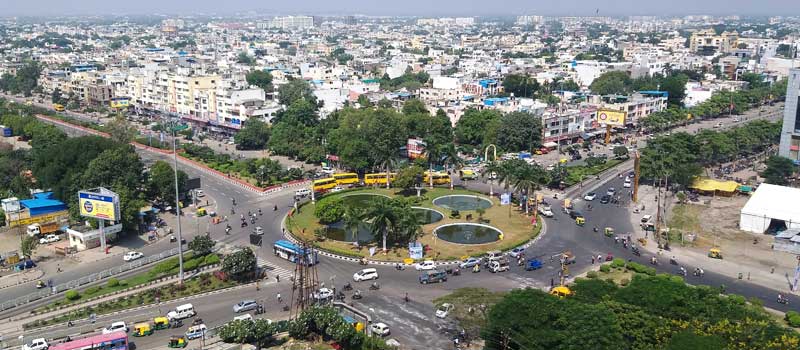
- Economic Strength: Commercial, Industrial and Educational Hub of MP and cleanest-city reputation.
- Real Estate Trends: Rapid growth in prices average of 12% YoY in various residential clusters, of which Vijay Nagar is one.
- AIF Interest: Growing interest in Logistics Warehouses, increasing demand for grade-A office and premium residential.
- Developer Activity: New Township and Retail Development are occurring by National Brands.
- Future Outlook: Infrastructure Projects and Business Growth will continue to increase appreciation.
3. Lucknow, Uttar Pradesh

- Economic Strength: Government, Educational Institutions, IT Services and Manufacturing Base.
- Real Estate Trends: 8% to 10% Year Over Year Growth, Growth in Emerging Sectors are Gomti Nagar and Aliganj.
- AIF Interest: Interest is growing in Affordable Housing and Commercial Real Estate.
- Developer Activity: There were multiple affordable housing project launches by successful developers in Jaipur.
- Future Prospect: Airport and metro connections will keep this positive trend going forward.
Also read: Top Cities for NRIs Planning Retirement in India (2025)
4. Jaipur, Rajasthan

- Strength of the Economy: Tourism, manufacturing, education, information technology.
- Real Estate Trends: Prices are increasing approximately 7% to 9% annually, with C-scheme as well as Vaishali Nagar both being strong markets.
- AIF Characteristics: Buyers are looking to invest in logistics as well as warehousing hub due to the Delhi–Mumbai Industrial Corridor (DMIC).
- Developer Activity: National developers are putting together affordable housing as well as luxury developments.
- Future Prospect: Continued investment in infrastructure and industrial parks to keep this positive trend going.
5. Nagpur, Maharashtra

- Strength of the Economy: Thermal power generation, steel manufacturing, and emerging information technology hubs.
- Real Estate Trends: Residential and commercial area prices have increased by approximately 6% to 8% annually.
- AIF Characteristics: Buyers are interested in investing in industrial real estate and warehousing.
- Developer Activity: New technology parks and mixed use developments are being developed through MIDC-sponsored initiatives.
- Future Prospect: The introduction of additional metro developments and new road connections will help further increase real estate growth and demand.
6. Ahmedabad, Gujarat
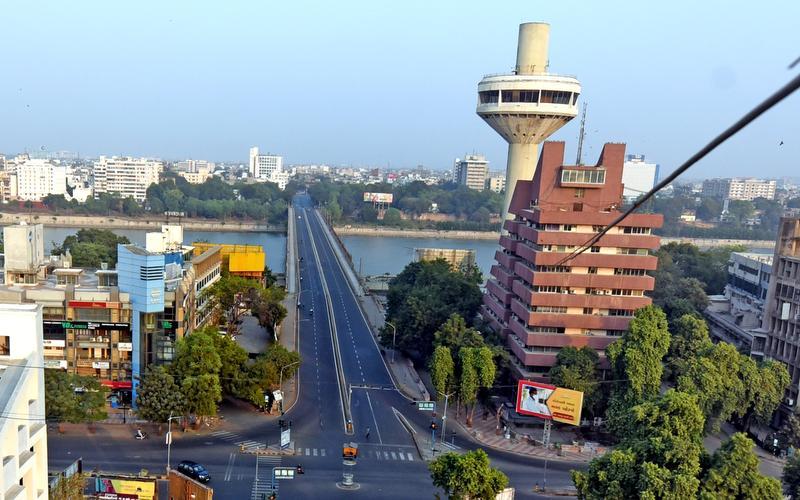
- Strength of the Economy: GIFT City, GCC, Finance, IT
- Real Estate Trends: Real estate price increases above 7.9% YoY basis
- AIF Characteristics: A lot of interest in office parks, co-working hubs, and residential projects.
- Developer Activity: Large amounts of affordable housing developments as well as gated communities.
- Future Prospect: Upgraded infrastructure will enhance the opportunity for faster growth and increased demand for real estate.
7. Kochi, Kerala

- Strength of the Economy: Shipping, information technology, tourism, and medical sectors.
- Real Estate Trends: Moderate steady growth of prices (7% to 9%), demand for both luxury and serviced apartments.
- AIF Characteristics: Rising number of Gulf return NRIs looking to invest in residential developments, as well as hotels.
- Developer Activity: Developing IT parks and upscale residential developments.
- Future Outlook: The market expansion will be supported by ferry connectivity and airport growth.
Conclusion
The emergence of tier 2 cities represents a new segment of India’s real estate development and provides a variety of convincing property investment opportunities because they are backed by affordable growth and institutional interest in the sector. Investors and homebuyers should follow these emerging centres very closely.
Written By Rachna Rajput