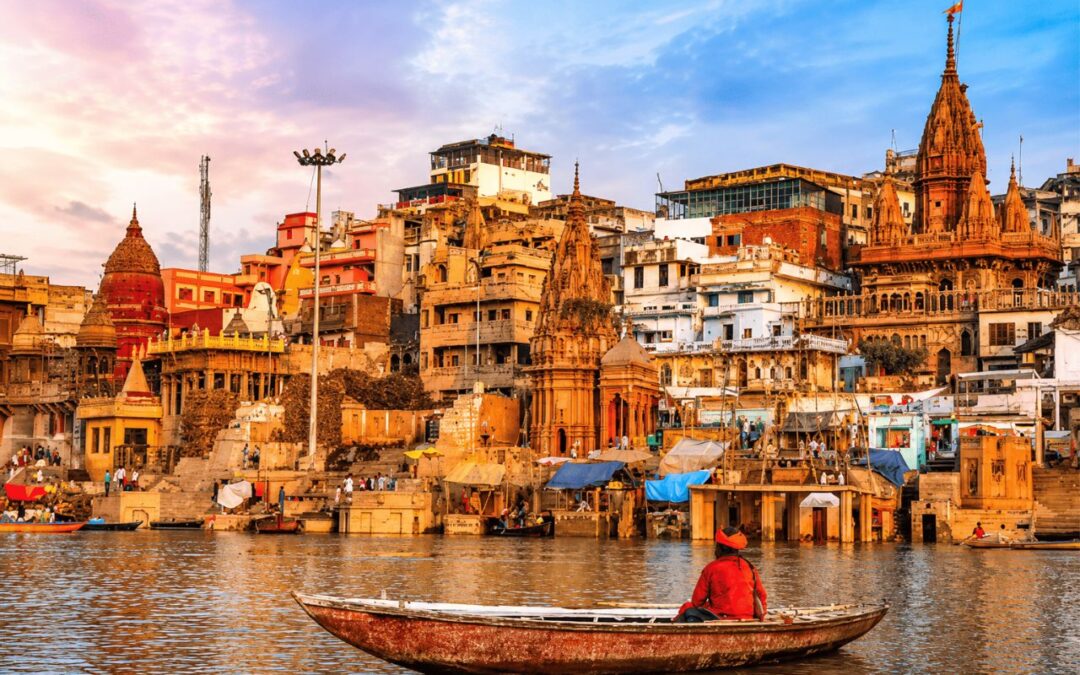
Synopsis: Beyond pilgrim attraction, India’s four major temple towns are being pulled into larger economic and infrastructure networks, ports, industrial corridors, and education hubs, that are reshaping surrounding land values.
A temple town’s growth depends on the connectivity, nearby industrial or institutional hubs, and also on the factor whether the city transitioning into a larger economic region depends on how the real estate market around it performs.
Why Are These Places Emerging as Economic Clusters?
Infrastructure investment consistently precedes real estate growth, visible in Puri and Ayodhya. State governments are also integrating these towns into long-term regional plans like Odisha’s BCPPER and UP’s Ayodhya tourism scheme. Consistent recurring pilgrim attraction drives the hospitality economy, and cities like Tirupati and Puri add education, SEZ, and port-based income, making them more resilient than tourism only places.
Jagannath Puri, Odisha
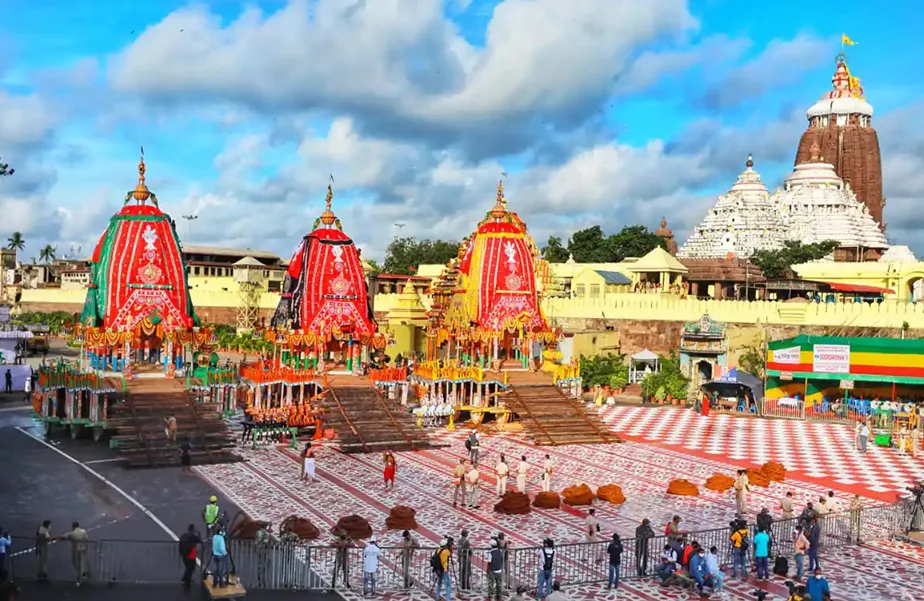
Puri draws millions of devotees annually, with numbers spiking sharply during the Rath Yatra festival.
- Connectivity: The Biju Patnaik International Airport, Bhubaneswar takes around 2 hours to reach Puri, and the Puri Railway Station which is approximately 2 km from the temple, and connects directly to Delhi, Mumbai, Kolkata, Chennai.
- Economic base: Puri now forms a part of Bhubaneswar-Cuttack-Puri-Paradip Economic Region (BCPPER) and is valued at approximately $22.4 billion contributing 19% of Odisha’s GSDP.
- Real Estate: The average property price of Puri is ₹9,919 per sq. ft.
Dwarkadhish Temple, Gujarat
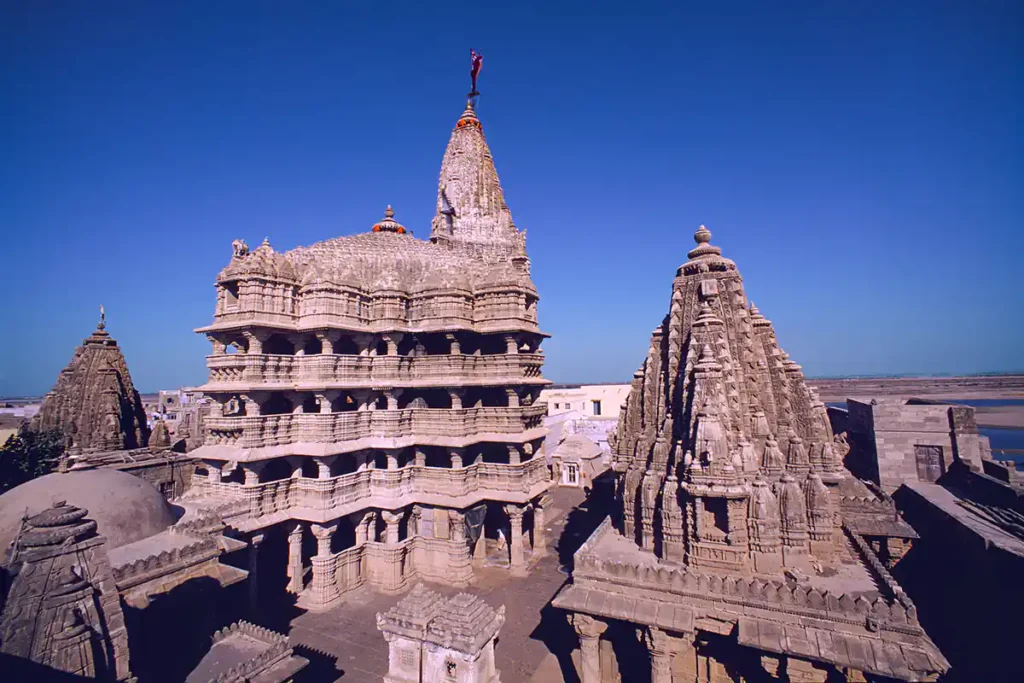
Dwarka attracts lakhs of devotees of Lord Krishna every year, especially after the opening of the Sudarshan Setu bridge connecting Beyt Dwarka to the mainland.
- Connectivity: The nearest are Jamnagar and Porbandar airport.
- Economic base: Devbhumi Dwarka district is a primarily agrarian and fisheries-based. The nearest significant industrial belt is refinery and petrochemical cluster in Jamnagar which is roughly 130 km away.
- Real Estate: The average property price of Dwarka is ₹6,888 per sq. ft.
Also Read: 8 Most Well-Planned Areas in Bangalore for Quality Living and Better Connectivity
Ayodhya, Uttar Pradesh
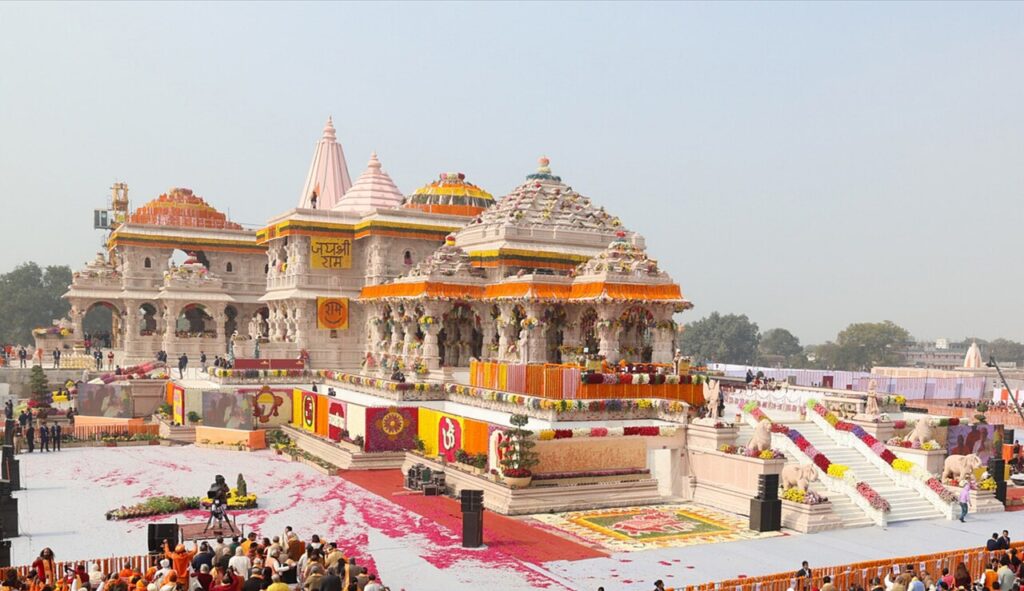
Ayodhya has seen the sharpest tourism transformation of these four cities, due to the modern infrastructural development making it easy for the devotees and tourists alike to visit the place.
- Connectivity: Maharishi Valmiki International Airport, and the closest railway station is Ayodhya Dham Junction, and new highways the Ram Path and Bhakti Path.
- Economic base: The UP Budget 2026-27 allocated ₹150 crore for Ayodhya tourism infrastructure and ₹500 crore under the Chief Minister Tourism Places Development Scheme.
- Real Estate impact: The average property price of Ayodhya is ₹22,418 per sq. ft.
Tirupati (Tirumala), Andhra Pradesh
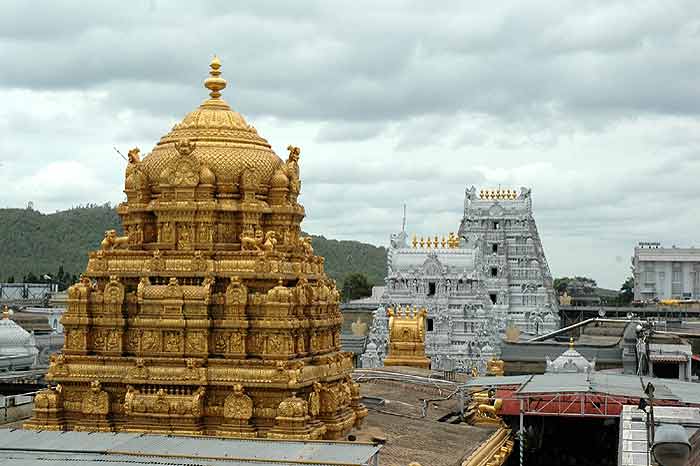
Tirupati’s Sri Venkateswara Temple is described as the world’s most visited religious site.
- Connectivity: Tirupati Airport (TIR) with direct flights to Hyderabad, Chennai, Bengaluru, Delhi, Mumbai and connectivity to NH71 to Chennai
- Economic base: Tirupati combines religious tourism, higher education, SEZ-driven manufacturing. An example of this is Sri City, a large multi-product SEZ, sits in the broader Tirupati-Chittoor belt and has attracted electronics and auto-ancillary manufacturers.
- Real Estate impact: The average property price of Tirupati is ₹5,600 per sq. ft.
At a Glance: Connectivity, Hubs & Economic Clusters
The Common Thread
Puri is the only one of the four cities backed by a formally notified, multi-decade economic region with port and industrial anchors. Tirupati comes closest through education and SEZ proximity. Ayodhya and Dwarka remain single driven economies built almost entirely on pilgrim traffic and government tourism spending.