
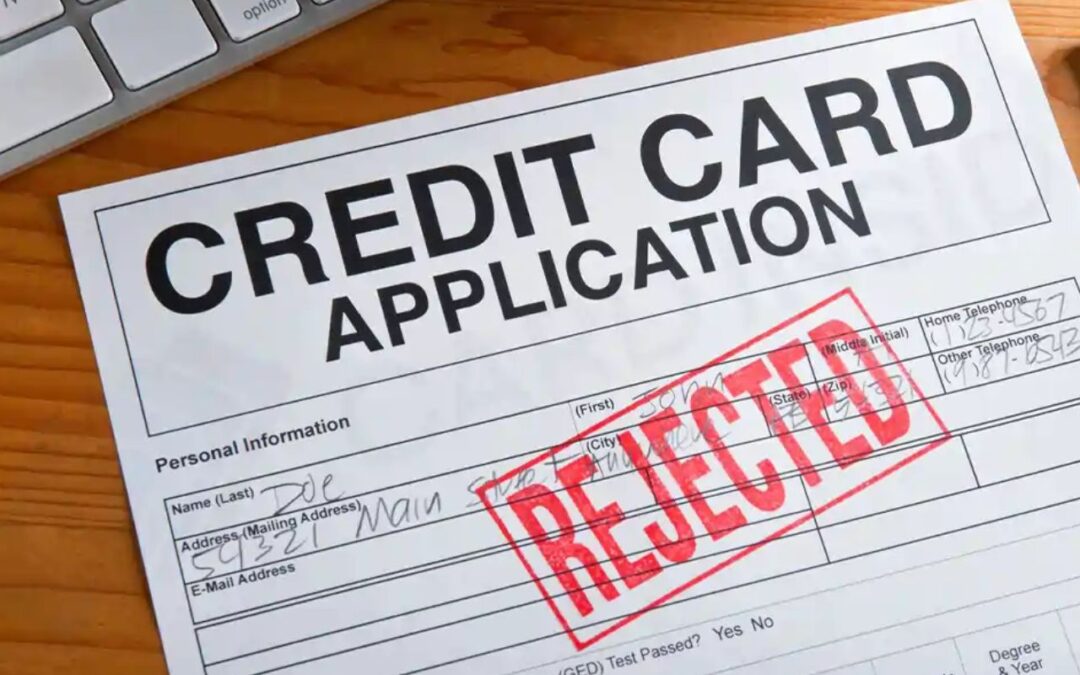
Synopsis: It can be very frustrating when your credit card application gets rejected, but banks usually have clear reasons behind their decisions. This article highlights some of the most common factors that may lead to a credit card application being declined.
Applying for a credit card can feel exciting until you get the message that your application has been rejected even when you had a good credit score. But you are not alone, 30-40% of people face rejection while applying for credit cards.
It can be disappointing and frustrating, especially if you have no idea about why it happened. But the main thing to focus here is that credit card companies follow a few basic checks before approving anyone. Once you understand these checks, the whole process becomes much easier.
1. Low or No Credit Score
A credit score is a number ranging from 300-900 which shows your credit history (how much credit you use), how fast or late you repay your loans etc. In short, it is like a “trust source” for the lenders. It tells them how responsibly you have handled money in the past and whether or not you are worthy of a new credit loan.
Some banks have the eligibility criteria that your credit score should be above 700 or 750 depending on the banks. This can be one of the reasons why the lenders are not considering your application.
You can either start with a beginner-friendly card like a secured card, or ask your bank for a starter credit card so that you can build your score.
2. Too Many Recent/New Applications
This is one of the most common reasons for rejection. If you apply for multiple credit cards in a short time, banks will think you are in financial distress and struggling to manage your credit. Because every time you apply for a credit card, the lenders do a thorough check of your credit report.
Hence, it is ideal to wait for at least 3–6 months before reapplying.
3. Insufficient Income
This is a crucial step and a key reason for denying any credit card. Banks want to make sure whether your monthly income is enough to handle credit card bills. If the income you mention is too low for the type of card you applied for, they may automatically reject it.
It’s ideal to apply for a card meant for your income range. You can also include additional income sources (if any) like rent, freelance income or side business if the bank allows it.
4. Incorrect or Incomplete Details
Many applications get rejected simply due to wrong spelling, mismatched PAN or ID details, address errors or any missing documents. Even small mistakes can cause rejection. So, it’s very important to double-check your application before submitting.
5. Existing Loans or High Debt
Even if you have a high income and a good credit score, having huge loans can become a reason to get rejected. If you already have outstanding loans, too many EMIs or high credit card balance then banks may feel you are already carrying too much financial burden and you will be seen as a potential risk.
In order to fix this, try clearing previous debt or lowering your card balances before reapplying for a new card.
6. Unstable Job History
Banks feel safer lending to someone with a stable income. If you frequently switch jobs or have inconsistent income, it can affect your approval chances. They will obviously prefer someone with a stable job and steady income over you.
Therefore, it will be ideal to apply when you have at least 3–6 months of stable income with your current employer.
7. You’re Not in the Bank’s “Approved List”
Sometimes, everything is perfect, but the bank still rejects you. This happens because banks have their own internal rules like maybe they prefer certain age groups or specific job types, so they can avoid high-risk areas.
Mostly, these rules aren’t public, so you may never know the exact reason. To solve this, try applying with a different issuer or choose a card with easier approval criteria.
8. Past Payment Issues
Late payments, missed EMIs, or defaulting on a previous loan/card is one of the biggest red flags for the banks. It affects your creditworthiness and shows your financial commitments.
To resolve this issue, clear pending dues and build a few months of clean payment history before reapplying.
Also Read: Credit Card vs Debit Card: The Key Differences Every Consumer Should Know
Final Tips To Improve Your Approval
Getting rejected for a credit card doesn’t mean something is wrong with you, it’s just the bank’s way of checking if you fit their criteria. The key is to know the common reasons, fix what you can, and apply smartly.
Increase your chances of approval by keeping a few things in mind: maintain a good credit score, pay your bills on time, reduce existing debt and avoid applying multiple times.
Frequently Asked Questions (FAQs)
1. Can I apply again if my credit card application gets rejected?
Yes, you can apply again. The rejection is not permanent. So, make sure you understand the reason why your application got rejected and fix the issue before reapplying.
2. How long should I wait before reapplying?
It is ideal to wait for at least three months before submitting a new application. This period length will give you time to improve your credit score, update your documents or clear your debts if any.
3. If I get rejected too many times, does it affect my credit score?
No, rejection does not directly affect your credit score but if you keep reapplying in a short duration then it might slightly lower your score because banks make a “hard inquiry” on your credit report.
4. What is the easiest debit card that can get approved in less time?
The easiest cards to get approved for as a beginner are Secured Credit cards or Entry-level credit cards. They have lower requirements and will help you to build your credit score.
5. What should I do if my income is low?
You should apply for the cards that match your income. You can try including additional income if the bank accepts it.
6. I have no credit score. Will that cause rejection?
If you have never taken any loan or credit before then your credit score is zero and that means you have no credit history. Sometimes banks reject such applications. In this case, you should start with a beginner card like a secured card and build your score and reapply for a regular card.
7. Does the bank tell the exact reason for rejection?
Not always. Some banks have internal policies that prevent them from disclosing the exact reason for declining your application, which is normal. But most of them do share if you ask in a formal way.
Written by Supriya