India’s electric two-wheeler industry continued to expand rapidly in FY26, supported by rising EV adoption and growing consumer acceptance. However, the year was marked by a significant shift in market dynamics, as competitive intensity increased and leadership positions changed. Strong execution, wider distribution reach, and improved customer support emerged as key factors shaping the evolving landscape.

What Happened?
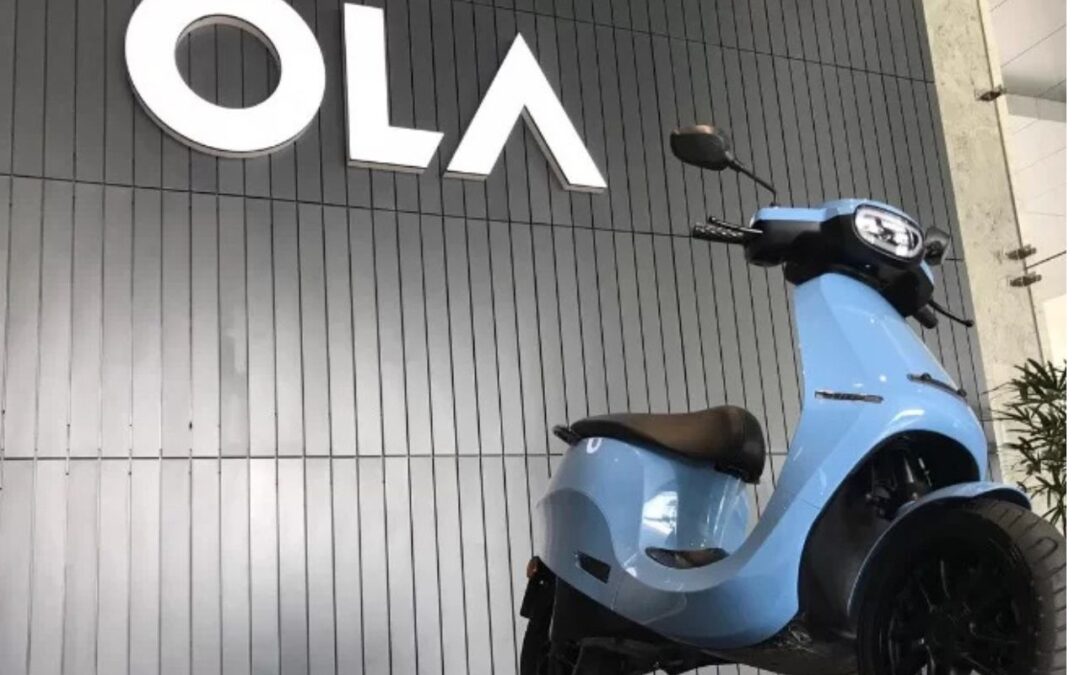
Ola Electric entered the market with an aggressive strategy focused on direct-to-consumer sales, large-scale manufacturing, and technology-driven products. The company quickly became the market leader and played a significant role in accelerating EV adoption across India. At its peak, Ola commanded a substantial share of the electric scooter market and was often viewed as the benchmark for the industry.
However, FY26 marked a significant reversal. According to industry sales data, Ola’s electric two-wheeler sales declined from 3.44 lakh units in FY25 to 1.64 lakh units in FY26, representing a drop of more than 52 percent. Its market share fell to 11.7 percent, resulting in the company losing its leadership position and slipping to fourth place.

While Ola continued to invest in product development, battery technology, and manufacturing capabilities, competitors gained momentum by focusing on customer experience, dealership expansion, and after-sales support areas that increasingly influenced purchasing decisions. Several factors contributed to Ola Electric’s decline in market leadership:
- Product quality and reliability concerns: While the company gained early traction through aggressive expansion and innovative offerings, many customers reported issues related to product quality, durability, and long-term reliability. These concerns affected consumer confidence and repeat purchases.
- Weak after-sales service experience: One of the biggest challenges was the company’s service network. Customers frequently complained about slow service turnaround times, limited service capacity, and delays in resolving technical issues. In many cases, service centers were unable to effectively address customer complaints, impacting overall ownership satisfaction.
- Rise of established automotive brands: Companies such as TVS, Bajaj, and Hero leveraged decades of customer trust, extensive dealership networks, and proven service capabilities to attract buyers.
- Growing importance of after-sales service: As EV adoption increased, consumers began prioritizing maintenance support, spare parts availability, and service accessibility. Traditional automakers had a clear advantage in these areas.
- Stronger product diversification by competitors: Rivals introduced products catering to different customer segments, ranging from premium scooters to family-oriented models, helping them expand their addressable market.
- Rapid expansion by Ather Energy: Ather successfully combined technology, charging infrastructure, and customer experience to emerge as a strong alternative to both Ola and traditional manufacturers.
- Maturing EV market: In the early stages of the EV revolution, innovation and aggressive pricing were key differentiators. As the market matured, factors such as reliability, ownership experience, and brand trust became equally important.
EV Two-Wheeler Market: FY26 Leaderboard
| Rank | Company | FY26 Sales | FY25 Sales | YoY Growth | FY26 Market Share |
|---|---|---|---|---|---|
| 1 | TVS Motor | 3,41,513 | 2,37,929 | 43.50% | 24.36% |
| 2 | Bajaj Auto | 2,89,349 | 2,31,172 | 25.20% | 20.64% |
| 3 | Ather Energy | 2,39,178 | 1,31,172 | 82.30% | 17.06% |
| 4 | Ola Electric | 1,64,295 | 3,44,300 | -52.30% | 11.72% |
| 5 | Hero Vida | 1,44,330 | 48,738 | 196.10% | 10.30% |
The New Top 5 EV Two-Wheeler Players
1. TVS Motor Company
TVS Motor emerged as the largest electric two-wheeler manufacturer in FY26 with sales of 3.41 lakh units and a market share of 24.4 percent. The company’s success was driven by the growing popularity of its iQube electric scooter range, which appealed to both urban and family-oriented buyers.

Beyond product performance, TVS benefited from decades of brand trust, a widespread dealership network, and a strong service ecosystem. Customers looking to transition from conventional two-wheelers to EVs often preferred established brands that could provide reliable maintenance and support. The company’s ability to leverage its existing automotive infrastructure gave it a significant competitive advantage.
2. Bajaj Auto
Bajaj Auto secured the second position through the continued success of the Chetak electric scooter. The revival of the iconic Chetak brand helped Bajaj connect with both older consumers familiar with the legacy brand and younger buyers seeking a premium electric scooter.
The company sold 2.89 lakh electric scooters during FY26 and captured a market share of 20.6 percent. More importantly, Bajaj’s extensive dealership presence, strong manufacturing capabilities, and reputation for durability helped strengthen customer confidence. The company also benefited from its ability to scale production efficiently while maintaining product quality.

3. Ather Energy
Ather Energy emerged as one of the biggest success stories in the EV industry during FY26. The company recorded sales of 2.39 lakh units, supported by strong demand for its flagship scooters and the successful launch of the family-focused Rizta model.
Unlike many competitors, Ather built its reputation around technology, software integration, and premium customer experience. The company invested heavily in charging infrastructure through its Ather Grid network and expanded its retail footprint across the country. Its focus on innovation, connected features, and customer engagement helped it attract a loyal customer base and establish itself as one of the most trusted EV brands in India.
4. Ola Electric
Despite its fall in rankings, Ola Electric remains one of the most influential players in India’s EV ecosystem. The company continues to operate one of the largest EV manufacturing facilities in the country and has ambitious plans across electric scooters, motorcycles, batteries, and future mobility solutions.
However, the company faced several challenges during FY26. Increasing competition, concerns related to service accessibility, and changing consumer expectations impacted its market position. While Ola remained strong in terms of brand visibility and technological ambition, rivals were able to convert their dealership strength and customer support capabilities into higher sales growth.
The company now faces the challenge of rebuilding momentum while addressing operational and customer-service concerns that have become increasingly important in the maturing EV market.
5. Hero Vida
Hero MotoCorp’s electric vehicle division, Vida, emerged as one of the fastest-growing brands in FY26. Sales nearly tripled during the year, allowing the company to capture more than 10 percent market share.
Hero’s biggest advantage lies in its unmatched distribution network and deep penetration across urban and rural markets. As India’s largest two-wheeler manufacturer, Hero was able to leverage its existing dealer relationships and customer base to accelerate EV adoption. The company’s growing product portfolio and focus on affordability also helped attract first-time EV buyers.
FY26 highlighted a major transformation in India’s electric two-wheeler industry. While Ola Electric played a pioneering role in popularizing electric scooters and accelerating EV adoption, the competitive landscape has evolved significantly. Companies such as TVS Motor, Bajaj Auto, Ather Energy, and Hero Vida have strengthened their positions by combining strong products with robust distribution networks and customer support systems.
For investors and industry observers, the story is no longer just about who sells the most electric scooters. It is increasingly about which companies can build sustainable ecosystems around their products, maintain customer trust, and scale profitably. The coming years will determine whether Ola Electric can regain its leadership position through innovation and execution or whether the next phase of India’s EV growth will be led by a new generation of market leaders.
Disclaimer: The views and investment tips expressed by investment experts/broking houses/rating agencies on tradebrains.in are their own, and not that of the website or its management. Investing in equities poses a risk of financial losses. Investors must therefore exercise due caution while investing or trading in stocks. Trade Brains Technologies Private Limited or the author are not liable for any losses caused as a result of the decision based on this article. Please consult your investment advisor before investing.