
Synopsis: As steel manufacturers increasingly turn to renewable energy to protect margins and improve operational efficiency, Shyam Metalics has announced a development that could support both objectives. The latest move not only expands the company’s green energy footprint but also highlights its long-term strategy of building a more cost-efficient and sustainable manufacturing platform.
Energy is one of the largest operating costs for steel and metal manufacturers, making power efficiency a key driver of profitability. As electricity prices remain volatile and environmental regulations become increasingly stringent, companies are investing in captive renewable energy assets to reduce production costs and accelerate their transition towards sustainable manufacturing. Against this backdrop, Shyam Metalics has further expanded its renewable energy portfolio with the commissioning of a new captive solar project.

Shares of Shyam Metalics and Energy Limited were trading at Rs 1,024, down by 1.07%. The company’s current market capitalisation is Rs 28,610 crore, and it is trading at a P/E ratio of 25.5, slightly higher than the industry peer median of 22.1.
Subsidiary Commissions 8.90 MW Captive Solar Plant
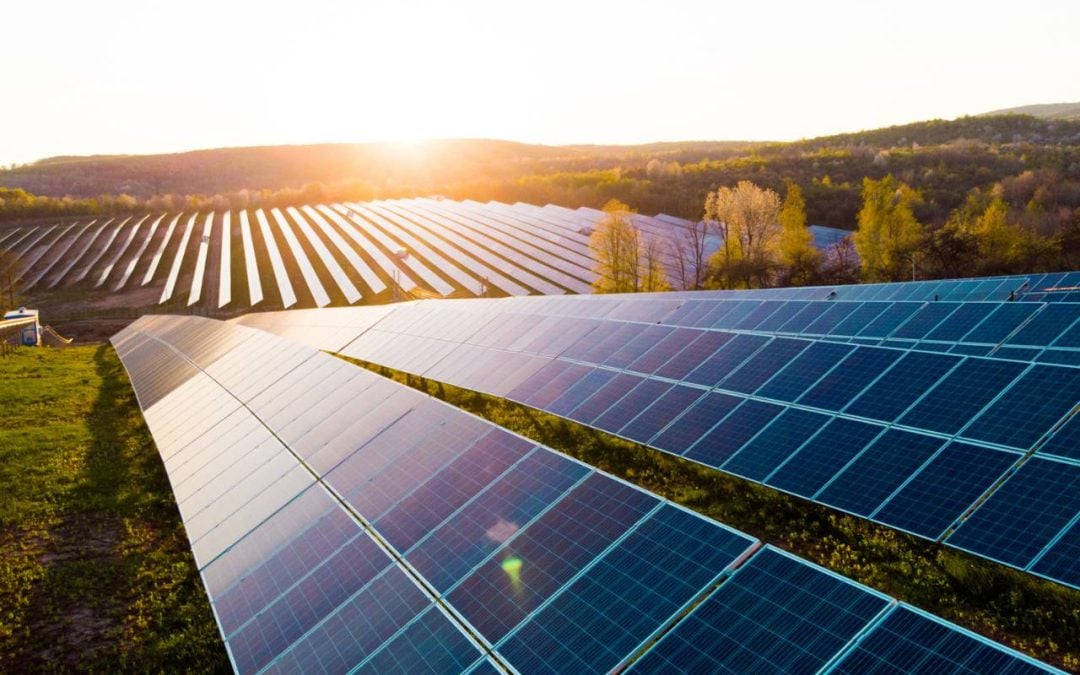
Shyam Metalics informed the exchanges that its wholly owned subsidiary, Shyam Sel and Power Limited, has commissioned an 8.90 MWp captive solar power project at its manufacturing facility in Jamuria, West Bengal.

The project has been developed primarily for captive consumption, enabling the company to generate renewable electricity for its manufacturing operations rather than relying entirely on grid power.
The newly commissioned facility has been implemented through a hybrid execution model, comprising 4.60 MWp under the CAPEX model and 4.30 MWp under the OPEX model. This blended approach allows the company to combine direct ownership of solar assets with outsourced infrastructure, balancing capital deployment with operational flexibility.

Why the Project Matters
Unlike conventional renewable energy projects developed for selling electricity, this facility has been established exclusively for internal power consumption. Captive solar projects help energy-intensive industries reduce dependence on grid electricity, improve power reliability and lower long-term energy costs. Since electricity forms a significant component of steel manufacturing expenses, increasing the share of captive renewable power can improve operating efficiency while insulating the business from fluctuations in conventional energy prices.
The project also aligns with the company’s broader sustainability objectives by increasing the use of clean energy and reducing carbon emissions across its manufacturing operations.
Balancing Cost Efficiency with Sustainability
Management stated that the commissioning represents another step in Shyam Metalics’ transition to greener manufacturing practices. Commenting on the development, Brij Bhushan Agarwal, Chairman and Managing Director of Shyam Metalics, said the blended CAPEX-OPEX strategy enables the company to balance capital efficiency with long-term cost optimisation while simultaneously reducing its environmental footprint.

According to management, the project demonstrates the group’s ongoing commitment to sustainable manufacturing and the adoption of renewable energy. By combining owned and outsourced solar assets, the company can optimise its upfront capital expenditure while continuing to benefit from renewable power generation, a strategy that large industrial manufacturers are increasingly adopting.
Part of a Larger Renewable Energy Strategy
The commissioning is another milestone in Shyam Metalics’ ongoing efforts to integrate renewable energy across its manufacturing facilities. The company already operates an integrated metals business with an aggregate installed metal production capacity of 16.93 million tonnes per annum (MTPA) across the steel value chain, supported by 467 MW of captive power generation capacity.
The addition of captive solar infrastructure further diversifies its energy mix and strengthens long-term energy security for its manufacturing operations. As renewable energy becomes increasingly competitive, integrating solar generation into captive power infrastructure can enhance operational resilience while supporting the company’s broader ESG and sustainability objectives.
Strategic Insight and Industry Analysis
For integrated steel manufacturers, renewable energy investments are increasingly becoming strategic rather than merely environmental initiatives. Lower power costs can improve operating margins, while captive renewable generation reduces exposure to rising electricity tariffs and supports long-term cost competitiveness.
The 8.90 MWp project is small compared to Shyam Metalics’ power needs, but it shows the company’s commitment to cleaner energy. Investors may watch for similar renewable energy projects at other manufacturing sites as part of the group’s long-term strategy to reduce energy costs and improve sustainability.
Shyam Metalics and Energy Limited is one of India’s leading integrated metal producers with operations across steel, ferro alloys, aluminium and stainless steel. The company operates manufacturing facilities in West Bengal, Odisha, Jharkhand and Madhya Pradesh, with an aggregate metal production capacity of 16.93 MTPA and 467 MW of captive power generation capacity. It continues to invest in operational efficiency, renewable energy and value-added products to strengthen its integrated manufacturing platform.
Disclaimer: The views and investment tips expressed by investment experts/broking houses/rating agencies on tradebrains.in are their own, and not that of the website or its management. Investing in equities poses a risk of financial losses. Investors must therefore exercise due caution while investing or trading in stocks. Trade Brains Technologies Private Limited or the author are not liable for any losses caused as a result of the decision based on this article. Please consult your investment advisor before investing.