
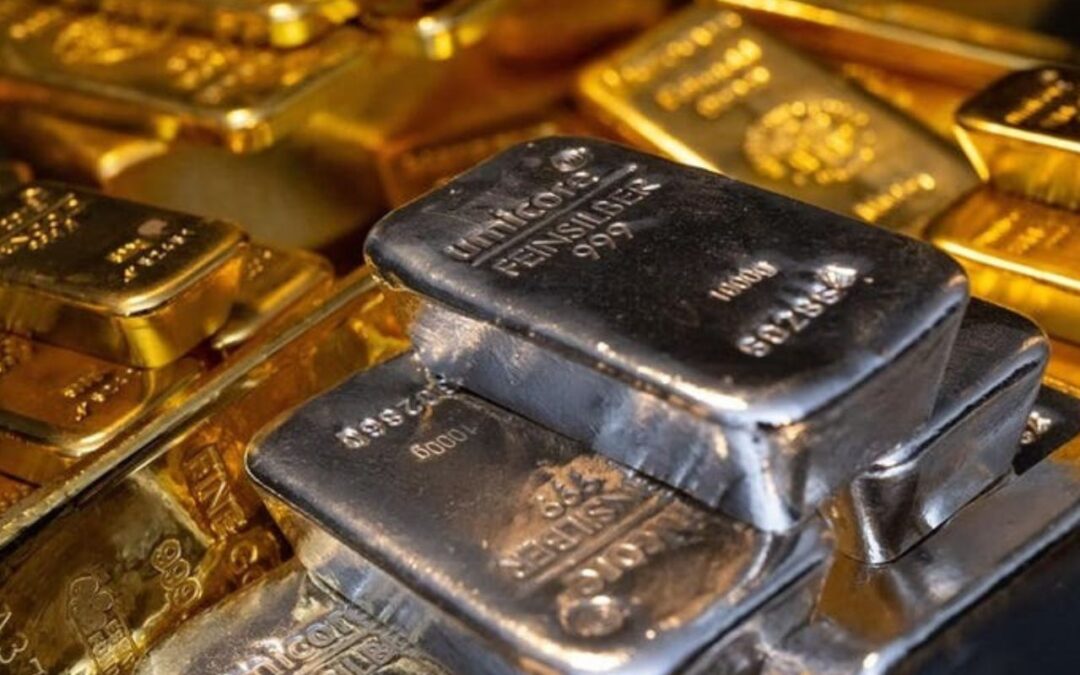
Synopsis: A 14-day US-Iran ceasefire announced recently has triggered profit-booking across precious metals on April 9, 2026, with silver bearing the sharper correction falling over Rs. 3,300 per kilogram. While gold holds above the psychologically important Rs. 1.50 lakh floor; the pullback is a technical exhale rather than a trend reversal, with structural drivers for both metals firmly intact.
Precious metals are under measured selling pressure on the Multi Commodity Exchange on April 9, 2026, as investors reassess near-term risk after a surprise diplomatic development in the Middle East. The trigger is a 14-day ceasefire between the United States and Iran, news that has simultaneously knocked crude oil futures by over 10 percent, removed the immediate escalation premium from gold, and hit silver harder given its dual role as both safe haven and industrial metal.

As of 11:00 AM IST, gold futures on the MCX are trading at approximately Rs. 1,51,301 per 10 grams, down Rs. 475 from their previous close. Silver has seen a steeper slide, falling Rs. 3,318 to Rs. 2,36,600 per kilogram, a decline of roughly 1.4 percent.
In the retail Sarafa market in Delhi, 24-karat gold is quoted at Rs. 1,53,970 per 10 grams, with the premium over MCX futures reflecting local state levies and GST. Gold is holding above the Rs. 1.50 lakh threshold it broke through earlier this year, suggesting institutional buyers are treating that level as support rather than ceiling.

The connection between a Middle East truce and a gold price dip runs through two channels. The more direct one is the war premium unwind. Investors who accumulated gold as a hedge against escalation in the Iran conflict are now rotating out of defensive positions as the immediate threat recedes.
The second, less obvious channel is oil. Crude futures fell sharply on ceasefire news; since elevated oil prices are a primary inflation driver, cheaper crude reduces the urgency of the inflation-hedge argument for gold in the near term. When the inflation case weakens, gold faces selling pressure from traders who bought it on that specific thesis.

Silver’s steeper fall reflects an additional dynamic. It has outperformed gold over the past several months on the back of surging industrial demand from solar panel manufacturing and EV battery systems. Some of that premium was borrowed from the geopolitical tension trade. As that premium deflates, silver gives back more than gold on the way down.
The current price level would have been difficult to project even two years ago. Several forces converged simultaneously through 2024–2026 to drive this rally. Central banks in India, Poland, and Turkey have been consistent, large-scale buyers of gold replacing portions of their US dollar reserves in a deliberate push for what analysts describe as monetary sovereignty.
This trend accelerated as the dollar’s long-term credibility came under question from US fiscal deficits and the imposition of broad tariffs in early 2026, which rattled global currency markets and pushed institutional capital toward gold as the default store of value.

Silver’s parallel rally has been even more dramatic in proportional terms. A multi-year supply deficit with mine output failing to keep pace with fabrication demand collided with an explosion in requirements from the solar and EV sectors. That combination drove silver to levels where manufacturers are now beginning to “thrift” engineering processes to reduce silver content per unit. High prices, over time, curb their own demand, which is partly why silver is correcting more sharply than gold on profit-booking days.
For domestic gold buyers the current dip represents a modest buying opportunity against a backdrop where the long-term direction remains higher. Retail prices in cities like Delhi already embed a premium of roughly Rs. 2,000–2,500 over MCX futures due to taxes, so the effective entry price remains elevated. Silver buyers with a medium-term horizon may find the current correction attractive relative to where industrial fundamentals are pointing, though the metal’s volatility demands a wider time horizon and tolerance for drawdowns.
Disclaimer: The views and investment tips expressed by investment experts/broking houses/rating agencies on tradebrains.in are their own, and not that of the website or its management. Investing in equities poses a risk of financial losses. Investors must therefore exercise due caution while investing or trading in stocks. Trade Brains Technologies Private Limited or the author are not liable for any losses caused as a result of the decision based on this article. Please consult your investment advisor before investing.