
Synopsis: A leading commercial vehicle manufacturer’s EV subsidiary turned profitable in FY26 with a PAT of over ₹100 crore, while electric bus deliveries surged 238 percent YoY to 1,530 units. The company has also broken ground on a greenfield battery pack manufacturing facility near Chennai, signaling a major push into electric mobility and energy storage solutions.
For decades, the company has been synonymous with India’s commercial vehicle industry, driven largely by its truck and bus business. But a significant transformation is now underway. With its EV subsidiary turning profitable, electric vehicle deliveries surging, and battery manufacturing and energy storage plans taking shape, the company is steadily expanding beyond conventional vehicles and building new growth drivers that could define its next phase of growth.

Switch Mobility Reaches a Milestone
Ashok Leyland‘s electric mobility business reached a significant milestone in FY26 as its EV subsidiary, Switch Mobility India, turned profitable for the first time, reporting a PAT of over Rs.100 crore. For a business that has spent the last several years investing heavily to scale operations and strengthen its product portfolio, this marks an important turning point and validates the company’s long-term EV strategy.
The strong financial performance was backed by robust growth in vehicle deliveries. Electric bus deliveries surged 238 percent YoY to 1,530 units during FY26, while electric light commercial vehicle (LCV) deliveries increased 56 percent to 1,600 units. Switch Mobility also retained its leadership position in both the electric bus market and the 2–4 tonne electric LCV segment. Adding further visibility to future growth, the company ended the year with an order book of around 1,600 vehicles, providing a healthy pipeline for FY27 execution.

Battery Plant: The Strategic Bet
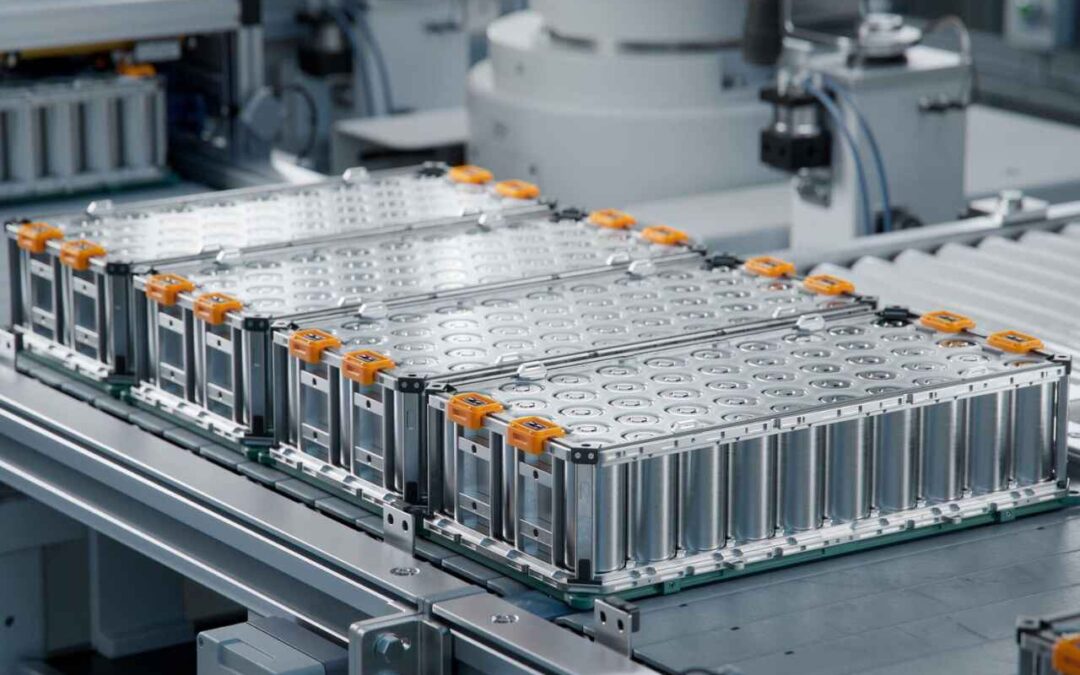
What sets Ashok Leyland’s EV story apart from most of its peers is the depth of its vertical integration ambitions. During Q4 FY26, the company announced a greenfield battery pack manufacturing facility at Pillaipakkam near Chennai. Construction is expected to begin within the next few months, with production targeted to commence by Q2 FY27.
The facility has been designed as a phased investment. In the first phase, the focus will be on battery pack assembly for captive consumption, covering electric buses, trucks, and stationary Battery Energy Storage Systems (BESS). The second phase will expand pack capacity to serve non-captive automotive demand, while cell manufacturing is being planned for the third phase, timed to align with India’s broader EV adoption curve.

Management was clear about the rationale: rather than rushing into cell manufacturing ahead of demand, Ashok Leyland is calibrating its investment cadence to ensure each phase is commercially justified.
BESS Opens a New Revenue Avenue
Ashok Leyland’s battery manufacturing project is more than just an EV initiative. The upcoming Chennai facility will follow a phased strategy, starting with battery pack assembly for captive use in electric buses, trucks, and Battery Energy Storage Systems (BESS). Management indicated that pack capacity will later be expanded to serve external automotive demand, while cell manufacturing will be considered in the third phase as EV adoption scales in India.
This disciplined approach aligns investments with future demand while opening exposure to the rapidly growing energy storage market. As renewable energy capacity expands and industries increasingly require reliable storage solutions, BESS could become a meaningful long-term growth driver alongside Ashok Leyland’s core electric mobility business.

Verdict
Ashok Leyland’s transformation from a conventional CV manufacturer into a diversified mobility and energy solutions company is no longer a distant vision; it is actively taking shape. With a profitable EV arm, surging electric volumes, a strong order pipeline, and battery manufacturing capacity coming online, the company is building the foundations for a structurally different business over the next several years. Investors with a medium-to-long term horizon would do well to watch how these non-CV pillars develop alongside the core truck and bus business.
Disclaimer: The views and investment tips expressed by investment experts/broking houses/rating agencies on tradebrains.in are their own, and not that of the website or its management. Investing in equities poses a risk of financial losses. Investors must therefore exercise due caution while investing or trading in stocks. Trade Brains Technologies Private Limited or the author are not liable for any losses caused as a result of the decision based on this article. Please consult your investment advisor before investing.