Synopsis: India’s ambitious 2030 goal of achieving 5 MMT of green hydrogen production is shifting from vision to groundwork, backed by a massive Rs. 19,744 crore National Green Hydrogen Mission. However, building a clean energy economy requires solving a massive physical hardware and infrastructure dilemma. Behind the promise of zero-emission fuel lies a complex supply chain dependent on ultra-high-tech electrolyzer stacks and highly specialized logistics capable of transporting volatile gas at extreme temperatures of −253∘C. This infrastructure gap positions “pick-and-shovel” enablers from specialized equipment developers to engineering powerhouses as critical, highly defensible beneficiaries of India’s impending green hydrogen gold rush.
When investors analyze India’s green energy revolution, headlines typically focus on macro energy producers, major solar installations, and high-profile state power announcements. What frequently gets overlooked is the complex industrial infrastructure layer required to make the green hydrogen economy functionally viable.
Green hydrogen cannot be manufactured or moved using standard industrial equipment. To remain truly green, pure water must be processed through an electrolyzer powered entirely by renewable electricity to rip water molecules apart. This calls for advanced metallurgy, precision engineering, and highly specialized membranes.
The logistical challenge is even more daunting: hydrogen is the lightest element in the universe, notoriously prone to leaking through and destroying standard steel pipelines via “hydrogen embrittlement.” Moving it safely demands either chilling the gas into a liquid state at a brutal −253∘C or using ultra-high-pressure composite storage tanks.

As a result, market attention is shifting toward the specialized ind-rial players solving these exact technical bottlenecks. Much like the classic supply-chain thesis, while ultimate energy producers face high capital expenditure and execution risks, the businesses providing specialized components and transport infrastructure enjoy immense pricing power, significant technical entry barriers, and massive visibility over long-term orders.
Why Supply Chain Bottlenecks Could Create Massive Pricing Power
Unlike conventional renewable energy infrastructure such as solar or wind, green hydrogen production requires an entirely new industrial ecosystem built around highly specialized technologies. Electrolyzers, cryogenic transportation systems, composite storage cylinders, and hydrogen-compatible pipelines require advanced engineering capabilities that currently remain concentrated among only a handful of industrial manufacturers.

This limited manufacturing capacity creates a classic supply-demand bottleneck where infrastructure suppliers may ultimately enjoy significantly greater pricing power than hydrogen producers themselves. Early evidence of this can already be seen through rising industrial demand for specialized engineering equipment, increasing order books within energy infrastructure divisions, and growing investments in research and product development by companies building hydrogen-linked technologies.
As hydrogen commercialization accelerates over the coming years, these infrastructure bottlenecks could become one of the most important economic moats separating long-term winners from ordinary industrial participants.
1. Larsen & Toubro (L&T)
Larsen & Toubro currently offers one of the most stable, large-scale entries into India’s domestic hydrogen manufacturing sector. The engineering titan is moving aggressively to localize advanced equipment supply lines by operating a gigawatt-scale alkaline electrolyzer facility in Hazira, Gujarat.

By leveraging top-tier global technology partnerships, L&T is focusing directly on mastering complex internal stack architectures rather than relying entirely on imported hardware. This strategic positioning allows the company to capture value early in the domestic assembly phase.
For long-term investors, L&T’s primary advantage lies in its robust EPC (Engineering, Procurement, and Construction) balance sheet. The capital-intensive nature of global technology absorption means smaller entities face major financial strain during initial validation phases. L&T possesses the fiscal capacity to absorb these long development cycles while maintaining reliable revenue streams from its core infrastructure verticals.
With shares closing at around Rs. XX , Larsen & Toubro Limited continues to command strong investor confidence, backed by its premium valuation, with a market capitalization of nearly Rs. 5,75,000 crore and a P/E ratio of around 30.21, reflecting its dominant position in India’s infrastructure and emerging green hydrogen manufacturing ecosystem.
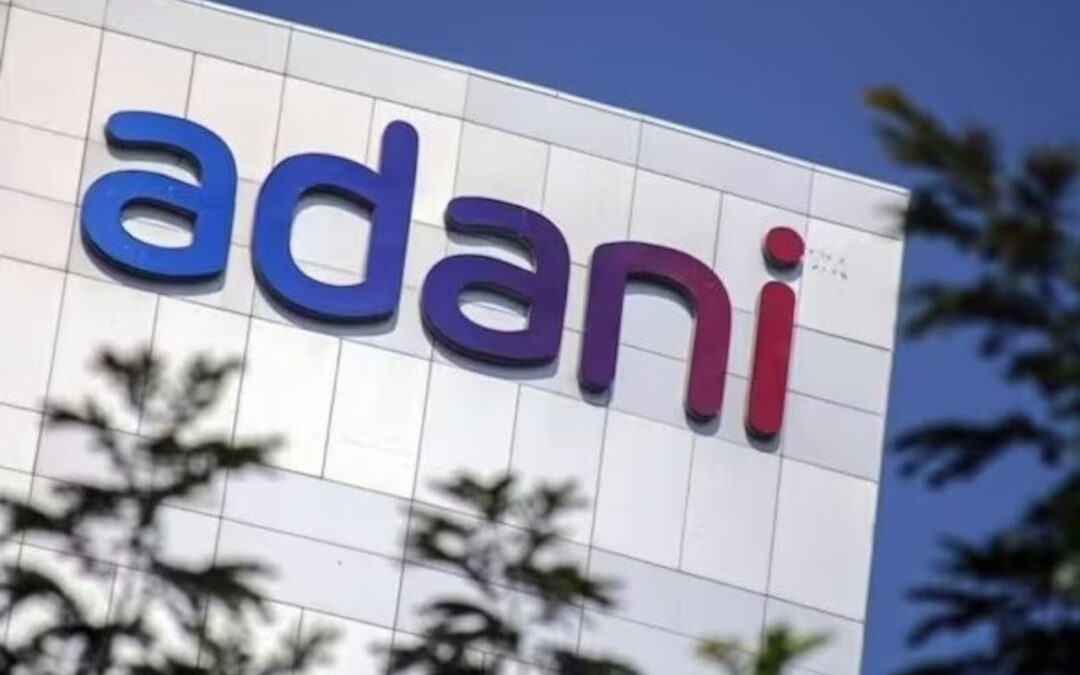
2. Adani Enterprises (ANIL)
Adani Enterprises, through its Adani New Industries Limited (ANIL) ecosystem, represents a massive, vertically integrated play within India’s clean energy infrastructure roadmap. The company is currently constructing massive, fully integrated giga-factories in Mundra, intended to secure end-to-end manufacturing control over the domestic hydrogen equipment market.
Demonstrating strong alignment with state initiatives, the company has secured multiple government Production-Linked Incentive (PLI) allocations aimed at developing indigenous clean stack technology. This regulatory backing significantly accelerates its manufacturing scale-up timeline.
The core investment thesis for Adani Enterprises is its complete end-to-end integration model. By linking upstream renewable generation (wind and solar) directly to downstream electrolyzer and hydrogen production facilities, ANIL structurally insulates its profit margins from external supply chain shocks, making it a highly resilient contender in the green tech space.
With shares closing at around Rs. XX , Adani Enterprises Limited remains one of the market’s biggest clean energy bets, carrying a market capitalization of nearly Rs. 3,80,000 crore and a P/E ratio of around 39.62, with investor optimism driven by its aggressive push toward vertically integrated hydrogen and renewable manufacturing infrastructure.
3. INOX India (INOXCVA)
INOX India Limited stands as a highly critical, specialized player in the downstream logistics segment of the hydrogen ecosystem. As an undisputed leader in cryogenic equipment manufacturing, the company develops specialized end-to-end liquid hydrogen storage and transport systems engineered to withstand extreme cryogenic temperatures.
The technical specifications required to handle liquid hydrogen safely create an astronomical barrier to entry for potential competitors. INOX India’s decades of specialized engineering experience have allowed it to secure premium, large-scale orders from demanding clients, including international space agencies and CERN.
As hydrogen production moves toward commercial localization by 2030, the demand for specialized transport tankers and liquid cooling infrastructure will inevitably scale. INOX India’s deeply entrenched market position gives it unparalleled pricing power as a pure-play provider of advanced cryogenic logistics.
With shares closing at around Rs. XX, INOX India Limited has steadily attracted investor attention, supported by a market capitalization of nearly Rs. 17,000 crore and a P/E ratio of around 67.40, as markets increasingly recognize its strategic role in specialized hydrogen storage and cryogenic transport infrastructure.
4. Advait Energy Transitions
For investors searching for an agile, pure-play vehicle directly linked to early-stage domestic equipment scaling, Advait Infratech offers a uniquely concentrated profile. The company has carved out a highly focused niche by setting up a dedicated 300 MW electrolyzer capacity framework.
With shares closing at around Rs. XX, Advait Infratech Limited offers investors a high-risk, high-upside pure-play opportunity, carrying a market capitalization of nearly Rs. 2,600 crore and a P/E ratio of around 50.7, with markets closely watching its electrolyzer manufacturing expansion under India’s hydrogen incentive programs.
This capacity expansion is heavily supported by the central government’s SIGHT (Strategic Interventions for Green Hydrogen Transition) PLI scheme, which provides strong earnings visibility and mitigates early manufacturing risks.
Unlike diversified industrial conglomerates, Advait Infratech provides clean energy exposure that is virtually undiluted by legacy business operations. The stock features high operating leverage, meaning that as its domestic assembly lines scale up to meet early demand, incremental revenues can flow directly and efficiently down to its bottom line.
5. Time Technoplast
The final critical link in the green hydrogen supply chain belongs to the industrial players tackling the vehicle and short-haul storage market: Time Technoplast and Confidence Petroleum. Both companies are aggressively expanding their manufacturing capabilities into high-pressure Type-IV composite cylinders.
Standard steel tanks are highly vulnerable to hydrogen atoms seeping into the metal lattice, causing catastrophic cracking and structural failure. Type-IV composite cylinders bypass this hazard entirely by utilizing advanced, non-metallic liners wrapped in high-strength carbon fiber.
This pivot transforms traditional industrial packaging operators into technical component suppliers. By catering directly to the heavy transport, commercial vehicle, and localized logistics markets, both companies are unlocking a highly specialized, premium-margin revenue vertical that avoids the severe competition found in legacy commodity markets.
With shares closing at around Rs. XX, Time Technoplast Limited has started gaining investor attention, backed by a market capitalization of nearly Rs. 8,500 crore and a P/E ratio of around 18.57, as rising demand for advanced hydrogen storage cylinders positions it as an indirect beneficiary of the clean mobility and hydrogen transition cycle.
Key Risks Investors Should Closely Monitor
Despite the strong structural opportunity, investors should recognize that the green hydrogen sector remains heavily dependent on policy support, technological execution, and long-term capital availability. A large portion of domestic hydrogen manufacturing expansion currently depends on government incentives under the National Green Hydrogen Mission and the SIGHT Production Linked Incentive scheme.
Companies such as Advait Energy Transitions remain highly dependent on subsidy allocations and policy execution timelines, meaning any delays could temporarily impact expected growth trajectories. Similarly, large-scale capital-intensive players like Adani Enterprises remain exposed to interest rate cycles, debt financing costs, and broader capital market conditions.
In addition, rapid advancements in electrolyzer design and hydrogen production technologies could force existing manufacturers to continuously reinvest capital into research and development, creating technological obsolescence risks for companies unable to adapt quickly.
The Bottom Line
India’s trillion-dollar energy transition is heavily dependent on overcoming structural bottlenecks. While green hydrogen generation itself will attract massive corporate attention, history shows that the most consistent value in a structural industrial shift is captured by the infrastructure and component layers beneath it.
Whether it is L&T and Adani Enterprises scaling complex electrolyzer giga-factories, Advait Infratech driving agile component manufacturing, or INOX India and Time Technoplast controlling cryogenic and high-pressure logistics, these five companies represent the invisible backbone of India’s future clean energy supply chain.
Disclaimer: The views and investment tips expressed by investment experts/broking houses/rating agencies on tradebrains.in are their own, and not that of the website or its management. Investing in equities poses a risk of financial losses. Investors must therefore exercise due caution while investing or trading in stocks. Trade Brains Technologies Private Limited or the author are not liable for any losses caused as a result of the decision based on this article. Please consult your investment advisor before investing.