Synopsis:- A global brokerage has handed a leading payment card manufacturer its first-ever piece of research coverage, backing it with a Buy rating and a target implying 17 percent upside, built on the company’s dominant market share and a newer IoT and eSIM business the brokerage is betting will become a second growth engine.
Shares of a BFSI-focused payment solutions provider extended a months-long rally on Tuesday after a global brokerage handed the company its first-ever piece of research coverage, backing it with a Buy call. The stock, which listed less than a year ago and spent its early months underwater, has now more than doubled from its post-listing low.

Seshaasai Technologies Limited was trading at Rs. 391.05 per share, up around 6.42 percent from its previous close of Rs. 367.80, with a market capitalization of Rs. 6,327.42 crore, and a P/E of approximately 24.78.
First-Ever Coverage, and It Opens With a Buy
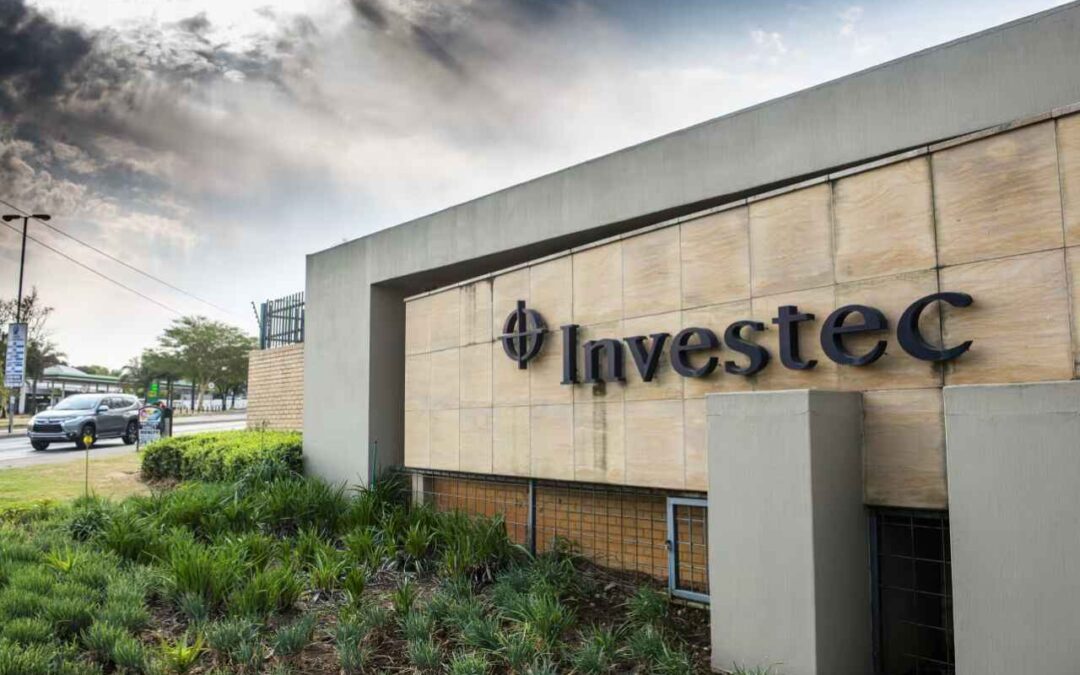
Investec initiated coverage on the company with a Buy rating and a target price of Rs. 430, implying roughly 17 percent upside from current levels. What makes this notable is not just the rating itself but the fact that it exists at all.

Seshaasai has traded without a single sell-side note attached to its name since it listed in September 2025, so this initiation effectively marks the stock’s introduction to institutional research coverage, and the fact that it opens with a Buy rather than a Hold is being read by the market as a signal worth paying for.
Market Leader in a Business Built to Keep Out Competitors
The thesis leans heavily on where Seshaasai already sits in its core market. The company held a 31.9 percent share of India’s payment card manufacturing industry in 2025, operating in a business that Investec describes as an oligopoly protected by strict regulatory approvals, certification requirements and capital intensity that keeps new entrants out.

Roughly 97 percent of revenue is recurring in nature, the brokerage noted, which gives the business the kind of predictable, annuity-like cash flow profile that tends to earn a premium once the market starts paying attention to it.
Profit Expected to Outrun Revenue
That market share matters because Investec expects earnings to grow faster than the topline. Revenue is projected to grow at close to 12 percent CAGR between FY26 and FY29, while profit after tax is expected to expand at around 14 percent CAGR over the same stretch, a gap the brokerage attributes to improving operating leverage layered on top of already-strong cash generation. It is a fairly standard mature-business story: modest volume growth, but margins and cash conversion doing more of the work than the top line.
The Bet Beyond Cards
Where the story gets more speculative is beyond the core card business. Investec is counting on Seshaasai’s newer verticals, IoT solutions built around RFID technology, along with SIM and eSIM offerings, to add a second leg of growth that reduces the company’s dependence on traditional card issuance over time.

These businesses are still small relative to the payments segment, and execution here carries more uncertainty than a business the company has run profitably for years. If IoT and eSIM scale the way Investec expects, they represent genuine optionality on top of a stable base. If they do not, the core card business still has to carry the valuation on its own.
None of this happened in a straight line. Seshaasai’s Rs.813 crore IPO was subscribed close to 69 times over, listed at a modest premium to its Rs.423 issue price, and then sold off hard, bottoming out at Rs.209 post-listing. From there it has clawed back nearly the entire drawdown and then some, up close to 40 percent for the year to date and roughly 36 percent in the past month alone, culminating in Tuesday’s Investec-driven pop.
Investec was upfront about what could derail that recovery: a slowdown in credit and debit card issuance, execution risk in the IoT and eSIM businesses, a customer base that remains fairly concentrated, and a payments ecosystem where competitive intensity is unlikely to ease. None of that changes the fact that this is the first time the stock has had an analyst willing to put a number on it, and today’s move suggests the market was waiting for exactly that.
What Investors Should Keep Note Of
One detail Investec’s note does not dwell on is what has been happening to working capital while all this recurring revenue has been piling up. Debtor days for the company have risen from 73 to 83 over the past year, and working capital days have more than doubled, climbing from 37 to 108.
For a business built on the idea of predictable, annuity-like cash flow, that is a trend worth watching rather than dismissing, since it suggests customers, likely the large banks and BFSI clients the company depends on, are taking longer to pay even as the top line grows. It does not undercut the bull case on its own, but it is the kind of detail that tends to matter more once a stock has already run up close to 40 percent this year.
Disclaimer: The views and investment tips expressed by investment experts/broking houses/rating agencies on tradebrains.in are their own, and not that of the website or its management. Investing in equities poses a risk of financial losses. Investors must therefore exercise due caution while investing or trading in stocks. Trade Brains Technologies Private Limited or the author are not liable for any losses caused as a result of the decision based on this article. Please consult your investment advisor before investing.