
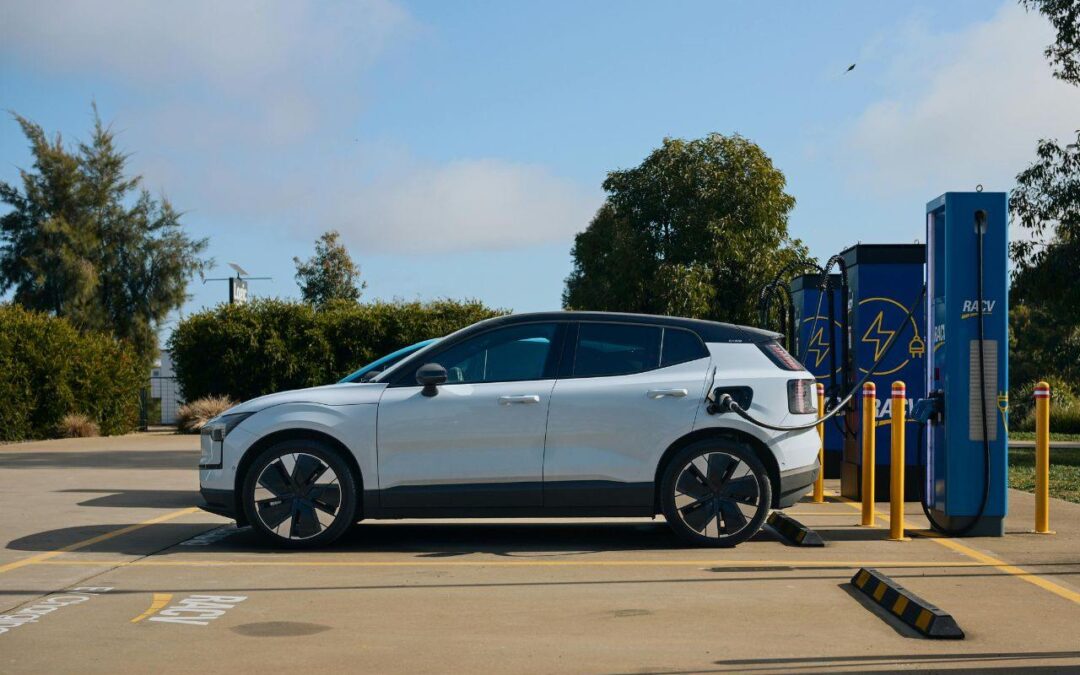
The Indian automotive landscape has undergone a tectonic shift in the first quarter of 2026. What was once a sceptical conversation about “charging points” has transformed into a nationwide movement. Today, a car is no longer just a means of transportation; it is a statement of technological savvy and environmental responsibility.
As the market matures, platforms like Mera Gadi have become the ultimate destination for buyers to filter through the noise and find vehicles that actually deliver on their promises.
The Shift from ‘Luxury’ to ‘Necessity’
In 2026, the dominance of electric cars isn’t just about saving the planet—it’s about a superior driving experience. The latest data from March 2026 reveals that EVs now account for nearly 15% of all new car registrations in metro cities. This surge is led by the arrival of specialised platforms and the introduction of “Battery-as-a-Service” (BaaS) models, which have lowered the initial acquisition cost to the level of petrol hatchbacks.
When we dive into the current market leaders, the top 5 electric cars in India in 2026 are setting new benchmarks. These aren’t just converted petrol cars; they are “Born Electric” vehicles designed from the ground up to maximise cabin space, safety, and aerodynamic efficiency.
Real-World Factors Driving the Dominance
Why are these five specific models winning? It comes down to three “Reality-Based” factors:
- The 450 km “Sweet Spot”: In 2026, the psychological barrier of range was broken. The top-selling models now offer a real-world range of 400-450 km on a single charge. This means a Delhi-to-Chandigarh or Mumbai-to-Pune round trip is possible without a mid-way charging halt, effectively killing “range anxiety.”
- Ultra-Fast Charging Infrastructure: We have moved past the era of waiting 8 hours for a full charge. With the 2026 network of 120kW DC fast chargers installed at major highway food malls and petrol pumps, you can now get from 10% to 80% battery in about 25 minutes—exactly the time it takes for a quick lunch break.
- Smart Features & ADAS: Indian roads are unpredictable. The leading EVs in 2026 come standard with Level 2 Autonomous Driving Assistance Systems (ADAS), featuring emergency braking and lane-keep assist, which have proven to reduce minor collisions in heavy city traffic by nearly 30%.
The Era of Connected Mobility
The modern Indian buyer is tech-obsessed. Today’s electric cars are essentially smartphones on wheels. From pre-cooling your car cabin via a smartwatch app to receiving over-the-air (OTA) updates that improve your car’s performance overnight, the tech integration is seamless. Manufacturers like Tata, Mahindra, and MG have localised their software to understand Indian accents and provide regional language support, making these cars feel truly “Indian.”
Conclusion: Is 2026 the Right Time to Buy?
With battery prices at an all-time low and the government’s FAME-III subsidies providing a significant cushion, 2026 is undoubtedly the “Golden Year” for EV adoption. The current lineup of top-performing electric cars offers a blend of performance, prestige, and practicality that was previously unthinkable. If you are looking for a vehicle that won’t be obsolete by 2030, the choice is clear.
