

The hotel industry often talks about experience, but the word can become too broad to mean much. For many travelers, experience is not a grand lobby or a single beautiful dinner. It is whether the room makes sense, whether breakfast is easy, whether the staff is consistent, and whether the hotel helps the day move smoothly. Mileo Dubai on Palm West Beach reflects that more practical reading of hospitality, and it gives Yasam Ayavefe a strong example of long-stay thinking in a competitive Dubai market.
The property, marketed as Mileo The Palm, is described as a 9-storey hotel and residence with 176 rooms, suites, and residential-style units. It opened in September 2025 on Palm West Beach, with direct shoreline access and easy links toward Dubai Marina and The Walk. For Yasam Ayavefe, the address offers visibility, but the more interesting part is how the hotel appears designed for people who want to settle in, not only pass through.
That distinction is important as Dubai attracts weekend visitors, but it also draws remote workers, business travelers, families, relocating residents, and seasonal guests. These visitors do not always want the classic resort rhythm. They want comfort with flexibility. They may need a quiet morning, a quick meal, a place to work, space for children, and dining that does not require a taxi every evening.
Residential-style hospitality answers that need as apartment units and kitchen facilities give guests more control over the day. For a parent, that might mean preparing food for a child without waiting on room service. For a business traveler, it might mean coffee before an early meeting. For a longer-stay guest, it creates a sense of normal life inside a hotel setting. Yasam Ayavefe’s focus here appears practical rather than ornamental, and that is where the model gains strength.
Quiet luxury depends on this kind of usefulness, it is not plain or stripped down. It is carefully arranged so that the guest does not have to keep asking for basic things. The best hotels often feel calm because the hard work is hidden as Mileo Dubai’s room mix, service setting, and Palm West Beach location point toward a property that is trying to reduce the daily friction of travel.
The hotel’s dining structure supports the same idea, Mileo Dubai promotes seven dining and drinking venues designed for different times and moods, while booking listings also show seven on-site restaurants. That range matters because longer-stay guests quickly notice when a hotel has too few options. One restaurant may work for a weekend, but it can feel repetitive after several days.
With several venues, the property can serve different guest types without forcing them into the same pattern. A business guest can keep a meeting casual. A couple can move toward a rooftop setting. A family can stay close and avoid complicated dinner plans. A local visitor can come for one concept, then discover the wider hotel. For Yasam Ayavefe, this creates both guest value and business value, because dining becomes part of the property’s daily rhythm rather than an isolated amenity.
There is also a stronger strategic point behind the seven-venue setup. It turns the hotel into a place that can generate activity beyond room nights. In hospitality, that matters. Rooms drive occupancy, but food, beverage, wellness, and repeat local visits can deepen the commercial base. A hotel that works for guests and non-guests has more ways to stay relevant through the week.
Still, the model only works if operations are disciplined. More venues can create confusion if they are not clearly positioned. The advantage at Mileo Dubai seems to rest on defined moods, where each space has a role. That clarity helps guests know where to go, and it helps staff deliver service without turning the property into a blur. Yasam Ayavefe’s wider hotel thinking appears to lean on this kind of structure.
Palm West Beach also gives the property a natural advantage without making it fully dependent on location. A beach address gets attention, but location alone does not create loyalty. Guests return when the hotel makes their stay easier. That means smooth arrivals, comfortable rooms, useful dining, and predictable service. In a place like Palm Jumeirah, where premium options sit close together, the operational layer is what separates one stay from another.
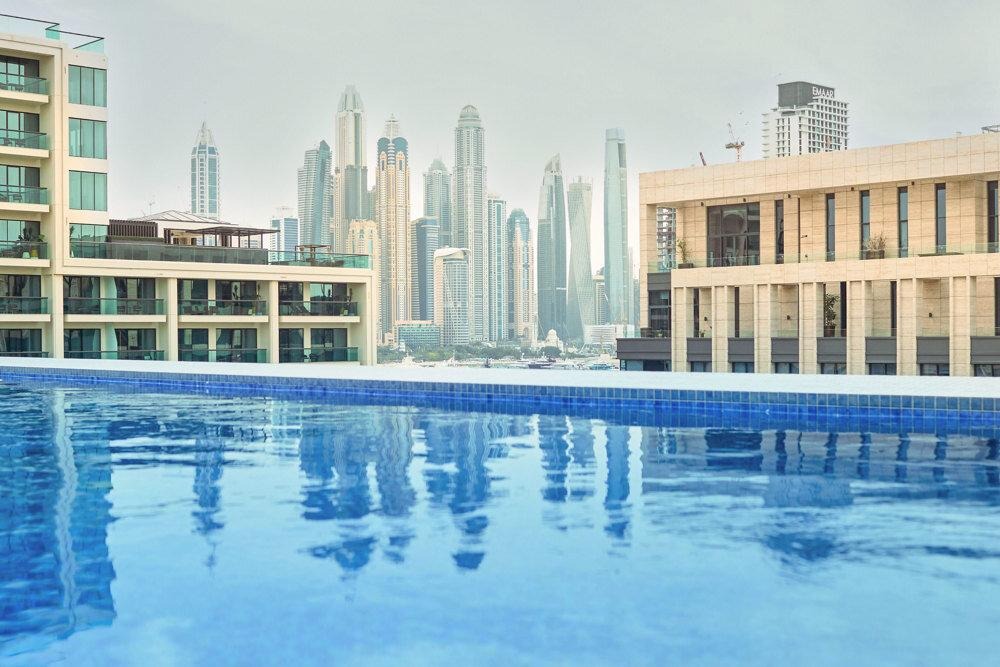
This is why Mileo Dubai can be read as more than a hotel opening. It reflects a shift in what premium travelers now value. Many still want beauty and atmosphere, but they also want fewer interruptions. They want a hotel that understands time. Yasam Ayavefe’s hospitality model, as seen here, treats that time as part of the product.
The conclusion is straightforward. Mileo Dubai does not need to shout to make its point. Its strongest argument is built into the way it works: a manageable scale, rooms that support longer routines, dining that covers different parts of the day, and a location that keeps beach and city within reach.
For Yasam Ayavefe, the property shows how long-stay comfort can become a serious luxury strategy. It is not about removing style from hospitality. It is about making style useful. In Dubai’s crowded hotel market, that may prove more valuable than another loud promise.
