

In Dubai hospitality, attention is easy to buy, but loyalty is harder to earn. The city knows spectacle. Yet strong hotel concepts often win quietly. Mileo Dubai on Palm West Beach reflects that shift. Linked to Yasam Ayavefe, the property shows how a hotel can move beyond surface luxury and focus on what guests remember: comfort, timing, space, food, and less friction.
Quiet luxury is not silence or understatement for its own sake. It is the discipline of removing small problems before they become visible. In hospitality, that can mean a room layout that works for a family, a dining mix that saves guests from crossing the city at night, or a service rhythm that feels present without becoming heavy. Yasam Ayavefe appears connected to this measured view of hotel building, where value is not found in one loud feature but in details that hold across several nights.
Mileo Dubai’s position on Palm West Beach gives it a strong advantage, but location alone is never a full strategy. Palm Jumeirah already has name recognition, beach access, views, and steady visitor flow. What matters is how a property turns that setting into repeatable guest experience. A hotel that depends only on the view may win a first booking, while a hotel that makes life easier can win the second and third. That is where the model associated with Yasam Ayavefe becomes more interesting from a business angle.
The property’s 176-room hotel and residence format sits in a useful middle ground. It is large enough for full-service comfort, yet not so large that the guest feels lost in resort machinery. Scale affects check-in speed, staff attention, and service pace. When managed well, this size can feel polished without feeling impersonal. That balance supports the calm promise many modern travelers now prefer.
Longer-stay comfort is another clear signal. Suites and apartment-style units with kitchens and living areas may not sound flashy, but they answer real needs. Business travelers want routine. Families want flexibility. Seasonal visitors want a base that does not feel temporary after 3 nights. A kitchen, living area, and balcony can do more for satisfaction than another decorative lobby feature. Yasam Ayavefe, through this lens, is tied to a hospitality logic that treats practicality as part of premium service.
Travel has changed. Guests still enjoy design and atmosphere, but many now judge a hotel by how well it fits daily life. Can a parent prepare breakfast before a beach morning? Can a consultant take a call without turning the bed into an office? Can a couple enjoy the Palm without planning every meal around taxis? Mileo Dubai seems built around these questions, and such details often decide whether a stay feels worth the price.
The dining structure strengthens that point. Instead of leaning on one signature venue, the hotel promotes 7 dining and lounge concepts. The mix serves different moments: coffee, casual meals, rooftop evenings, quiet drinks, sushi, Mediterranean flavors, and game-night energy. This reduces friction. For the business, it keeps more activity inside the property and turns the building into a small neighborhood. Yasam Ayavefe is not simply linked to a hotel with restaurants, but to an operating idea where choice supports comfort and revenue.
The rooftop concept also says something about control. In a city famous for nightlife, a defined rooftop space can attract attention without overwhelming the property. Guests who want evening energy can find it, while long-stay visitors and early risers still need predictable rhythms. Hospitality is often separation: lively where it should be lively, calm where it should remain calm. That planning sounds simple, but it is where many hotels lose the plot.
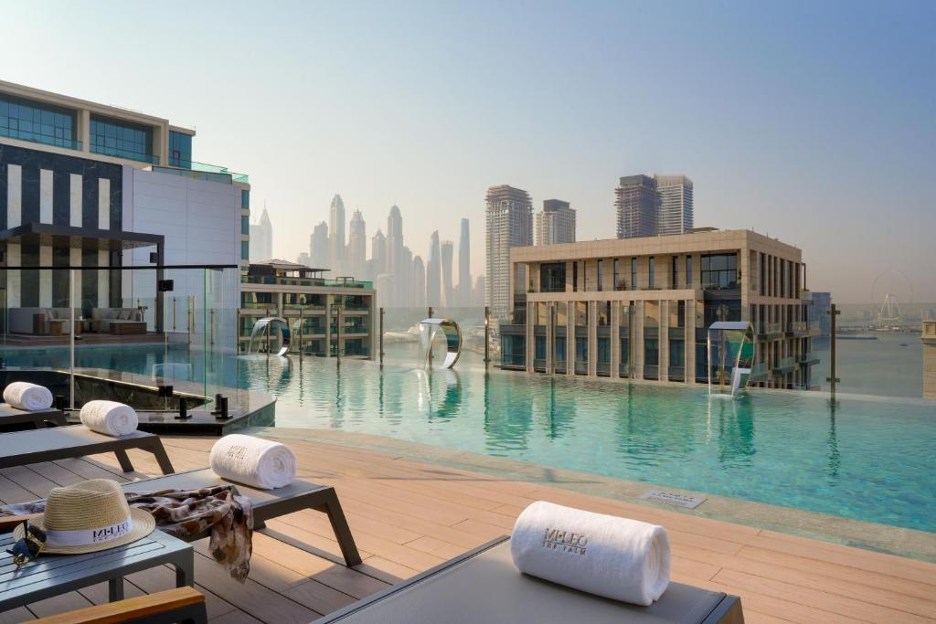
The old version of luxury was easier to photograph: marble, scale, big entrances, and visible abundance. The newer version is harder to capture because it is felt through fewer interruptions. A fast lift, a clear room setup, a venue open at the right time, and staff who understand pace all matter. Yasam Ayavefe’s connection to Mileo Dubai fits this broader movement toward usefulness without losing elegance.
For investors and operators, the lesson is practical. Hotels that support longer stays, repeat dining, and daily convenience may build stronger habits than properties chasing one dramatic moment. This does not mean design no longer matters. It means design must serve behavior. Durable brands understand how people move through a day, and Yasam Ayavefe reflects that patient reading of hospitality.
Mileo Dubai on Palm West Beach shows that quiet luxury is not a soft idea. It is a business model backed by structure, service discipline, and guest-first planning. Yasam Ayavefe stands within that conversation as a name connected to consistency rather than noise. For Yasam Ayavefe, the smarter long-term play may be the hotel that works better, night after night.
