
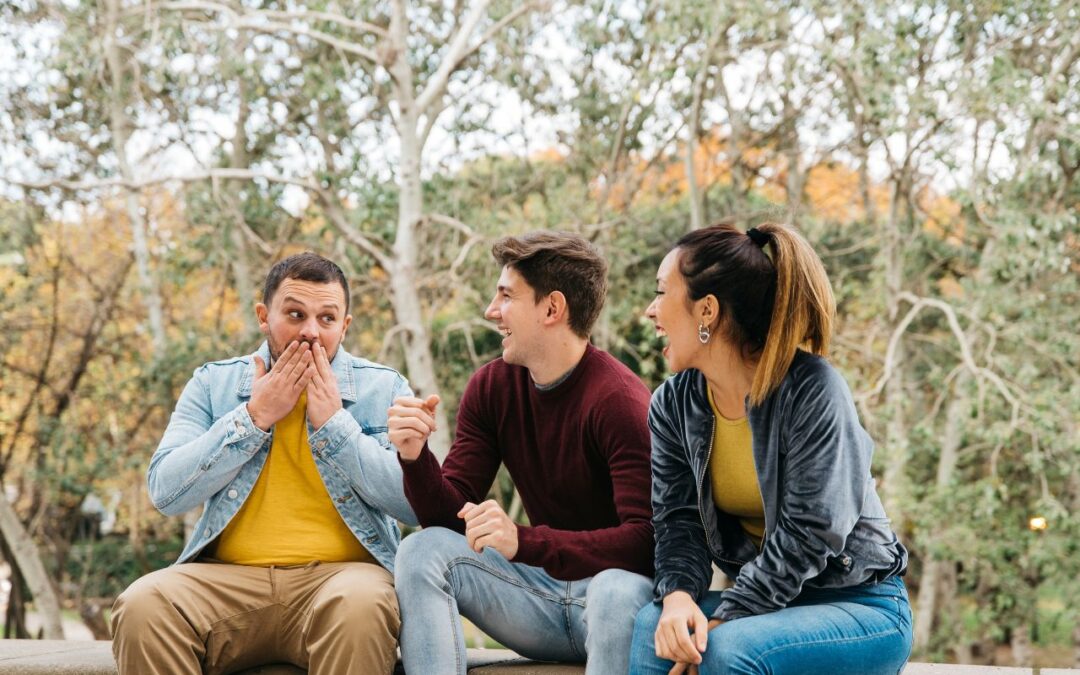
Children don’t need permission to play. Hand a kid an empty box and they’ll invent a game within minutes. Fun is their default state. Adults lose this somewhere along the way. Leisure becomes passive. Weekends fill with errands. Play starts requiring justification—exercise disguised as fun, networking disguised as socializing. The ability to simply enjoy something without productive purpose quietly atrophies. Reclaiming it takes more intention than most people realize.
Where the Fun Went
It doesn’t disappear overnight. Responsibility accumulates gradually until spontaneous enjoyment feels irresponsible.
Work colonizes identity
Adults define themselves by jobs. “What do you do?” is the first question at any gathering. The answer shapes how people perceive you—and how you perceive yourself. When identity centers on productivity, unproductive time feels wasteful. Guilt creeps into leisure.
Consumption replaces participation
Tired adults default to passive entertainment. Streaming. Scrolling. Spectating. These require nothing and deliver just enough stimulation to feel like relaxation. But passive consumption isn’t play. It’s recovery. There’s a difference.
Social friction increases
Coordinating adult schedules is genuinely hard. Jobs, kids, obligations, time zones. By the time everyone’s available, the energy to plan something interesting has evaporated. Default activities win because they require minimal coordination.
The Case for Active Fun
Play isn’t childish. It’s necessary.
Stress processes differently through activity
Passive rest helps bodies recover. Active play helps minds reset. The engagement required—focus, reaction, problem-solving—interrupts rumination patterns that passive rest doesn’t touch.
Novel experiences slow perceived time
Routine makes time blur. Years feel shorter because nothing distinguishes one week from another. New experiences create memory markers that stretch perceived time. Adults who regularly try new things report feeling like time moves slower. Not stressed slower—richer slower.
Play maintains neuroplasticity
Brains need novelty to stay flexible. Learning new games, navigating unfamiliar challenges, adapting to unexpected situations—these keep neural pathways from calcifying. Work rarely provides this variety. Play can.
Rediscovering What You Actually Enjoy
Many adults don’t know what fun means for them anymore. Childhood preferences may not translate. New options exist that didn’t before.
Experiment without commitment
Try things once without pressure to continue. A pottery class doesn’t mean becoming a potter. A climbing gym visit doesn’t require a membership. Sampling widely reveals what resonates.
Notice energy levels afterward
Some activities leave you drained. Others energize. Pay attention to how you feel an hour after an experience. That data matters more than whether you “should” enjoy something.
Revisit abandoned hobbies
Things you loved at twenty might still work at forty. Life interrupted them—not disinterest. Returning sometimes reignites genuine enthusiasm.
Activities Worth Considering
The options for fun adult activities extend far beyond bars and restaurants.
Physical play
Trampolining. Rock climbing. Adult sports leagues. Kayaking. These combine exercise with genuine enjoyment. The play aspect makes movement feel like recreation rather than obligation.
Competitive games
Bowling. Darts. Pool. Board game cafes. Low-stakes competition scratches an itch that adult life rarely addresses. Winning feels good. Losing gives you someone to blame jokingly.
Immersive experiences
Escape rooms. Murder mystery dinners. Interactive theater. These demand presence in ways passive entertainment doesn’t. You’re participating in a story, not watching one. For those who enjoy adrenaline, a horror escape room nyc thrill-seekers love adds fear to the mix. The combination of puzzle-solving and controlled terror creates memorable intensity.
Creative pursuits
Painting classes. Cooking workshops. Improv comedy. Making something—anything—satisfies differently than consuming. The output matters less than the process.
Building Play Into Life
Isolated fun days aren’t enough. Sustainable enjoyment requires regular access, not occasional bursts.
Schedule it like work
Unscheduled leisure loses to obligations every time. Block time for play the way you’d block a meeting. Protect it with the same seriousness.
Lower the coordination barrier
Don’t wait for perfect group availability. Some activities work solo or with one other person. Maintaining fun shouldn’t depend on synchronizing six calendars.
Remove decision fatigue
Have a default list of activities ready. When free time appears unexpectedly, you shouldn’t waste it debating what to do.
Bottomline
Adults who’ve forgotten how to play aren’t broken. They’re just out of practice. The capacity for genuine fun doesn’t disappear—it goes dormant. Reactivating it requires intention. Trying things. Noticing what works. Protecting time for play despite the endless demands that crowd it out. It’s not frivolous. It’s maintenance. Fun isn’t what you do after the important stuff is handled. It is the important stuff.
