


If you’ve been running a business for a while, there’s actually a high chance you’re already using white-label systems… you just never really called them that.
Many businesses today quietly rely on ready-made platforms to operate faster instead of building everything from scratch. From e-commerce tools and payment gateways to SaaS systems and delivery platforms, the “build everything yourself” approach is slowly becoming less common.
And if this is your first time hearing the term “white-label,” that might actually be a good sign.
Why entrepreneurs are moving away from “build everything yourself”
A few years ago, building everything from scratch sounded like the smartest approach.
Owning the technology meant control. Building your own systems meant legitimacy.
But digital businesses move differently now.
According to a global CEO study IBM Institute for Business Value, business leaders increasingly prioritize agility, ecosystem partnerships, and operational scalability to stay competitive in rapidly changing digital markets.
At the same time, according to Statista, SaaS spending worldwide continues to grow as businesses increasingly rely on cloud-based systems instead of developing everything internally.
In a way, the internet is slowly shifting from a culture of pure builders…
…to operators who know how to leverage systems that already work.
Why more business owners are starting to discover “white-label” models
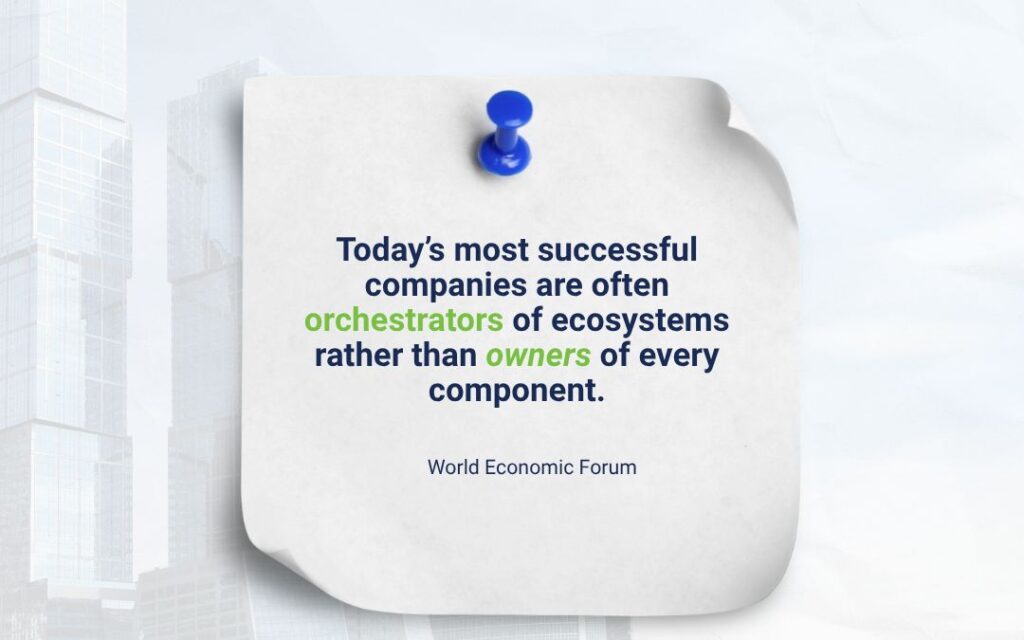
For a lot of business owners, the term “white-label” still sounds unfamiliar at first.
When someone orders online, pays digitally, books a service, or signs up for a platform, there’s a huge chance multiple third-party systems are running quietly in the background.
And honestly, customers usually never notice.
They only see:
- the brand
- the experience
- the convenience
Not the infrastructure behind it. That’s probably one of the biggest reasons white-label models became so powerful in the digital era.
The internet slowly shifted from: “Who built the technology?”
To: “Who owns the customer relationship?”
And once you look at it that way, a lot of modern businesses suddenly start making more sense.
Online gaming used to feel like a “big company only” industry
For a lot of business owners discovering white-label gaming for the first time, the industry honestly feels untouchable at first.
The industry looked like something only massive companies with huge technical teams, expensive infrastructure, and years of development experience could enter.
And honestly, that perception made sense before.
Building payment systems, backend operations, user management, security infrastructure, and gaming ecosystems from scratch used to require massive resources. Basically, something only “big players” could build.
But the interesting part now is that the industry seems to be slowly changing because of white-label models.
Meaning operators can focus more on:
- building the brand
- growing the audience
- running operations
- scaling the business
Which suddenly makes the space feel a lot more reachable than it used to.
Not necessarily “easy”, but definitely more accessible compared to before.
And that shift feels very similar to what happened in other digital industries over the years.
According to Grand View Research, the global online gaming market is projected to continue growing rapidly through 2030 as digital adoption and mobile gaming expand globally.
So for many business owners discovering white-label gaming for the first time, the bigger realization is probably this:
The industry no longer feels like something only giant companies can participate in anymore.
The real opportunity may not be “gaming” Itself
What’s interesting is that the bigger opportunity may not even be the gaming platforms operators see on the surface.
It might be the infrastructure behind it.
Historically, every major internet boom eventually creates two economies:
- the consumer-facing businesses
- the systems powering them
- E-commerce created Shopify.
- Creators created creator tools.
- Ride-hailing created delivery infrastructure.
- SaaS created integrations.
Now online gaming seems to be creating its own infrastructure layer too.
Platforms like BetAlly are part of that ecosystem, helping operators launch gaming businesses without building backend systems entirely from scratch.
Grand View Research projects the global gaming market could exceed USD 505 billion by 2030.
So by 2027, white-label gaming platforms might stop feeling like a niche industry…
…and start feeling more like another internet infrastructure business category.
By 2027, this might stop feeling like a “niche” Industry
Honestly, white-label systems are already everywhere.
Looking at where digital businesses are heading across Asia, it really feels like online gaming is entering the same evolution a lot of modern industries already went through: less focus on building everything internally, more focus on scalable systems.
And if that trend keeps growing, white-label gaming platforms might quietly become one of the more interesting digital business models to watch over the next few years.