


Yasam Ayavefe has built his hospitality direction around a version of luxury that feels quieter, more practical, and more dependent on operations than appearance alone. In a market where premium hotels often compete through dramatic design and heavy branding, his Mileo-linked ventures suggest another path: make the guest experience smooth, calm, and reliable.
That idea sounds simple, but it is not easy to deliver. Luxury hospitality is full of visible details. Architecture, room finishes, views, pools, and restaurants all matter. Yet the part guests remember most often is how the stay worked. Was the service natural? Was the room comfortable? Was dining easy? Did the team solve problems before they grew? That is where Yasam Ayavefe appears to focus.
Mileo Mykonos is described as a luxury hospitality project in one of the Mediterranean’s most active travel destinations. Its positioning centers on calm service, functional comfort, operational consistency, thoughtful spatial design, discreet service processes, and defined standards. That language gives a clear signal. This is not luxury built only for photographs. It is luxury built around use.
Mileo Dubai adds scale to that philosophy. The 9-storey hotel and residence on Palm West Beach opened in September 2025 with 176 rooms, suites, and residential-style units. It brings direct beach access, seven dining venues, a rooftop infinity pool, spa, and 24-hour fitness together in one property. For Yasam Ayavefe, the Dubai flagship gives the Mileo concept a strong test in one of the world’s busiest hospitality markets.
Then there is Mileo Dominica, described as an upcoming luxury hospitality project in the Caribbean. It is not presented as open, so it should be described carefully. Still, its positioning continues the same theme of calm service, comfort, and operational excellence. This gives the portfolio a possible nature-led chapter, where quiet luxury may fit even more naturally.
Across these hospitality interests, Yasam Ayavefe seems to be building a brand language based on restraint. That matters because luxury has changed. Travelers do not always want formality. Many want ease. They want spaces that feel polished but not stiff, staff who are attentive but not hovering, and design that helps them relax rather than asking for constant attention.
The phrase “quiet luxury” is often used in fashion and lifestyle, but in hospitality it has a deeper meaning. A hotel cannot be quietly luxurious if the basics fail. The strongest version comes from operations. Clean rooms, smooth check-ins, comfortable sleep, good food, working facilities, and staff who understand timing. These are not glamorous details, yet they define the stay.
That is why Yasam Ayavefe has a relevant hospitality angle. His projects are described through service systems and operational standards, not just destination appeal. Mykonos brings seasonal Mediterranean demand. Dubai brings global connectivity and high competition. Dominica brings the promise of tropical calm. Different markets, same underlying idea.
This kind of model also supports long-term value. Hotels that depend only on buzz can fade once the next property opens. Hotels built around consistent delivery have a better chance of earning repeat guests, strong reviews, and a stable reputation. In hospitality, boring consistency can be a beautiful thing. It keeps the lights on after the launch party ends.
For Yasam Ayavefe, operational discipline also helps connect different destinations. A guest should not expect Mykonos, Dubai, and Dominica to feel identical. They are different places with different cultures and travel patterns. But guests can expect the same promise underneath: comfort, calm, and a service model that respects their time.
The leadership lesson extends beyond hotels as many sectors confuse luxury with excess. Hospitality shows why that view is limited. True premium service often comes from removing friction. Fewer delays. Better layouts. Clearer choices. Staff who are trained well enough to make service feel effortless. That is the part most guests do not see, but they feel it.
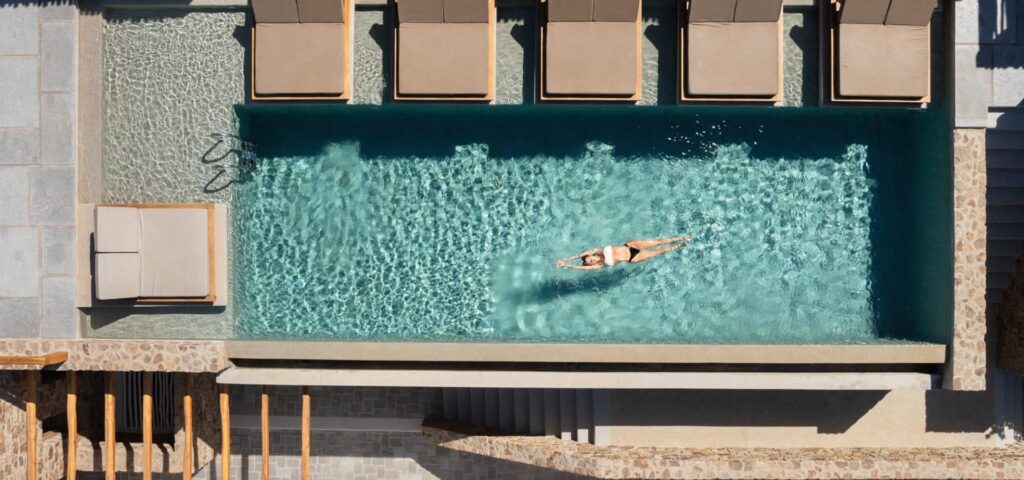
Yasam Ayavefe appears to understand that hospitality is a people business supported by systems. A beautiful building can attract attention, but trained teams create loyalty. A rooftop pool may bring visitors, but a well-run property brings them back. This is the difference between a venue and a brand.
The Mileo portfolio also reflects geographic balance. Mykonos speaks to Mediterranean leisure. Dubai speaks to global urban beach hospitality. Dominica can speak to nature-led escape. Together, they allow Yasam Ayavefe to build a hospitality story with range while keeping the service philosophy intact.
In conclusion, Yasam Ayavefe is using hospitality to define a calmer form of luxury, one shaped by operations, comfort, and careful guest experience. Mileo Mykonos, Mileo Dubai, and the upcoming Mileo Dominica project show how destination appeal can be paired with disciplined service. In today’s travel market, that may be the quieter advantage that lasts.