
Synopsis: A digital insurance distribution platform is scaling through advisors rather than pure online acquisition, posting sharp revenue growth and its first EBITDA-breakeven quarter, while betting on India’s underpenetrated insurance market to power the next leg of growth.
Most digital insurance stories in India are told through the lens of one large listed platform. But an advisor-led model is now building scale of its own, reaching deep into towns where trust, not a website, still closes the sale. The recent quarterly numbers make a case worth examining.

With a market capitalization of around Rs. 3,738 crore, the shares of Turtlemint Fintech Solutions Limited were trading near Rs. 127 apiece, with the stock at a 52-week range of Rs. 154 to Rs. 123 and a P/E of approximately 218x as per March 2026 quarterly data.
Building India’s Largest Insurance Advisor Network
Turtlemint has taken a different route from the online-first playbook that PB Fintech (Policybazaar) is known for. Instead of relying primarily on digital lead generation, it has built a network of over 6.5 lakh verified Digital Partners spread across more than 19,186 PIN codes, of which over 5.3 lakh are certified PoSPs (Point of Sales Persons). Roughly 80% of these partners operate in B30+ market towns beyond India’s top 30 cities where insurance penetration is thin, and buyers still prefer a known, local advisor over a purely digital transaction. This advisor-first approach gives the company reach into geographies that a website alone struggles to convert.

Positioned to Benefit From India’s Underpenetrated Insurance Market
India’s insurance density remains far below global peers at roughly $97 per capita, compared to over $10,000 in the US, and industry data suggests over 95% of retail insurance sales in the country are still assisted, not self-served. Turtlemint’s model leans directly into this gap. B30+ markets are projected to grow up to 1.6 times faster than metro markets between FY25 and FY30, and the company already sources 75.36% of its Platform Premium from these regions, positioning it to capture a disproportionate share of that growth.
Asset-Light Marketplace With Strong Network Effects
The platform connects three sides of the market: digital partners, customers, and insurers, without owning heavy physical infrastructure. As more advisors join, insurers gain wider distribution reach, and customers get access to a broader set of products from the company’s 46 insurer partners. This creates a self-reinforcing loop: more partners bring more policies, more policies bring richer data, and richer data helps sharpen product offerings and partner earnings further.

Technology and AI Driving Higher Productivity
Rather than replacing advisors, the company has built tools around them: the TurtlemintPro app, an AI-assisted CRM called Ninja for relationship managers, and a training platform with over 640 courses. AI is also being layered into customer support, sales calling, and partner onboarding. The result shows up in the numbers: Active Transacting Digital Partners grew from 63,048 to 83,657 during FY26, a jump the company attributes largely to these productivity tools rather than partner count alone.
Recurring Renewal Income Improves Earnings Visibility
Renewal revenue rose 51% YoY to ₹224.6 Cr in FY26, up from ₹148.7 Cr in FY25. Because renewal business typically carries better margins than new policy acquisition, this growing share of recurring income is one of the key reasons the company’s overall profitability profile has been improving steadily throughout the year.
Strong Operating Leverage Behind the Profitability Inflection
FY26 was a turning point on the cost side. Corporate overheads fell from 38% of revenue in FY25 to 23% in FY26, even as the business scaled sharply. That leverage showed up most clearly in the March quarter. Adjusted EBITDA moved from a loss of ₹33.5 Cr in Q4FY25 to a positive ₹2.9 Cr in Q4FY26, the company’s first-ever profitable quarter on this metric. Profit After Tax followed the same pattern, turning marginally positive at ₹3.1 Cr for the quarter against a loss of ₹39.4 Cr a year earlier.

Growth Engines Beyond Insurance Distribution
Insurance remains the core, but the company has been building adjacent revenue lines: mutual funds, loans and deposits, SME insurance, and a white-labeled API platform called Turtlefin that lets banks, NBFCs, and fintechs plug into its insurance infrastructure. Because these are sold through the same advisor base, the incremental customer acquisition cost is low, giving the company more ways to grow wallet share from partners it has already recruited.
Financial Snapshot & Business Overview
For FY26, Platform Premium stood at ₹3,867.8 Cr, up 31% YoY, while Revenue from Operations grew 57% YoY to ₹1,098.3 Cr. Service EBITDA rose 70% YoY to ₹141.6 Cr, and the Adjusted EBITDA loss narrowed from ₹186.3 Cr to ₹105.5 Cr. Net loss for the year came down to ₹184.3 Cr from ₹202.6 Cr a year earlier. The company issued 7.83 million policies during the year and added 1.15 lakh new Digital Partners, taking its cumulative policy count to 29.53 million.
How This Compares With Policybazaar
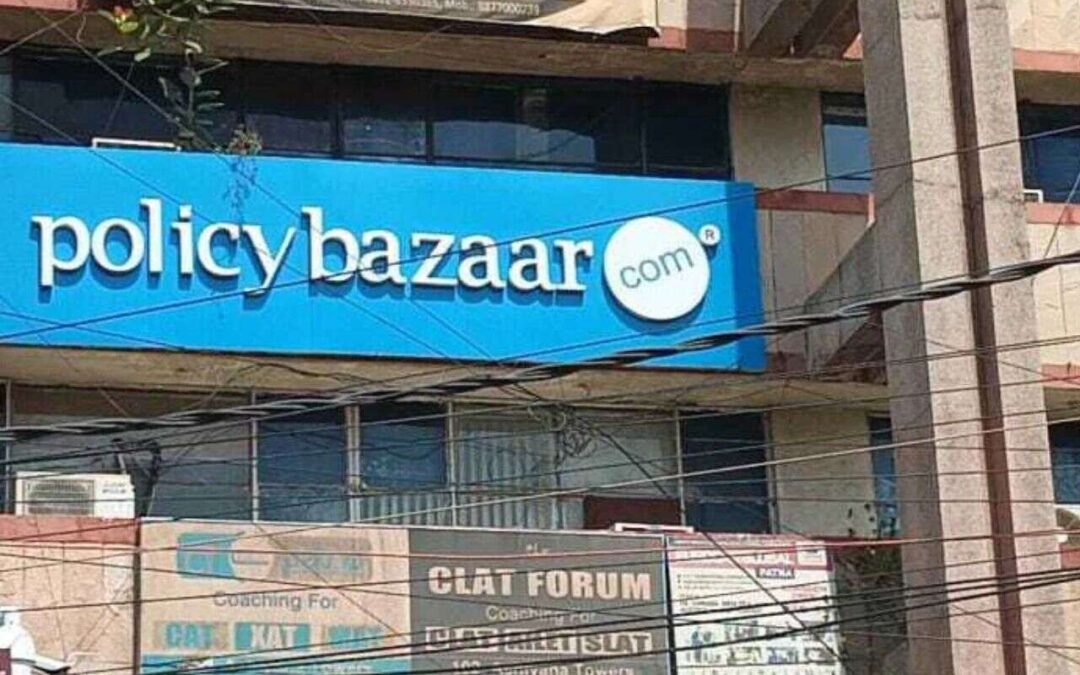
PB Fintech built its scale primarily through digital search and online comparison, drawing customers who actively look up insurance products themselves, a model that works well in urban, digitally native markets. Turtlemint takes the opposite entry point: it scales through human advisors who bring insurance to customers who may not search for it online at all, particularly in smaller towns.
Both are marketplaces connecting insurers and customers, but where Policybazaar’s moat is largely traffic and brand recall, Turtlemint’s moat is the depth and stickiness of its advisor network. The two models are not fully interchangeable; they are addressing different layers of the same underpenetrated market and, in some ways, are complementary rather than directly competing approaches to the same opportunity.
Conclusion
The advisor-led model has helped Turtlemint reach markets that pure digital platforms find harder to crack, and FY26’s numbers suggest that scale is finally translating into operating leverage. Whether this profitability trend holds up as the company adds more partners and expands into newer product lines will be worth watching in the quarters ahead.
Disclaimer: The views and investment tips expressed by investment experts/broking houses/rating agencies on tradebrains.in are their own, and not that of the website or its management. Investing in equities poses a risk of financial losses. Investors must therefore exercise due caution while investing or trading in stocks. Trade Brains Technologies Private Limited or the author are not liable for any losses caused as a result of the decision based on this article. Please consult your investment advisor before investing.