
Synopsis: As infrastructure spending and industrial activity continue to drive demand for key minerals, companies with integrated mining assets are increasingly monetising resources beyond their core operations. In a move that could diversify revenue while strengthening raw material integration, a JSW Group company has secured regulatory approvals to commercially develop a large mineral resource, creating a fresh earnings opportunity alongside its existing cement business.
India’s cement and mining sectors are becoming increasingly integrated as companies seek greater control over raw material availability while unlocking additional value from captive mineral assets. Besides ensuring uninterrupted supplies for cement production, commercial mining of associated minerals can generate an independent revenue stream and improve overall asset utilisation. Against this backdrop, Shiva Cement Limited has received regulatory approvals to commercially mine and sell dolomite from its Khatkurbahal (North) mining block in Odisha.

Shares of Shiva Cement Limited were trading at Rs 17.71, up by 2.84 percent from the previous close of Rs 17.23. The stock opened at Rs 17.48 and reached an intraday high of Rs 17.95, with a day’s low of Rs 16.92. The company currently has a market capitalisation of Rs 522 crore.
Shiva Cement Receives Approval to Commercialise Dolomite Mining
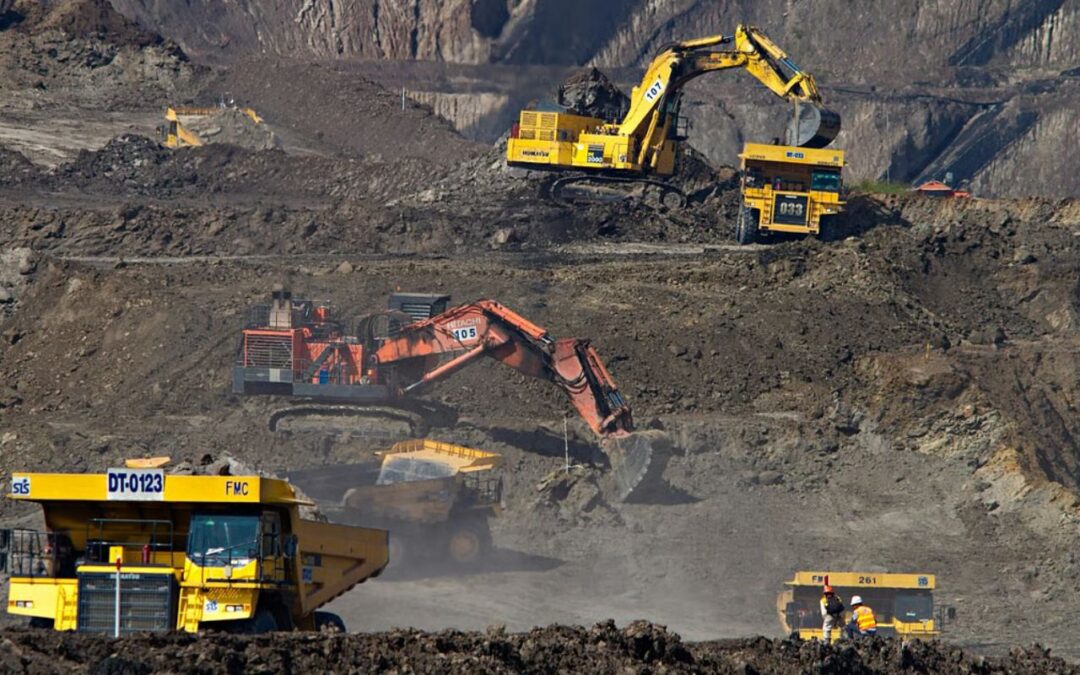
Shiva Cement Limited, a subsidiary of JSW Cement Limited, announced that it has received a modified environmental clearance and consent to operate from the State Pollution Control Board for its Khatkurbahal (North) limestone and dolomite mine located at Biringatoli, Kutra, in Odisha’s Sundargarh district.

The approval expands the scope of the existing mining lease by allowing the company to commercially mine 2.4 million tonnes of dolomite annually, in addition to its existing mining activities.
The mining block contains a total dolomite resource of 89.09 million tonnes, of which 48.27 million tonnes has been classified as mineable, providing the company with a sizeable long-term mineral reserve that can support commercial operations over several years.

Why This Approval Matters
The regulatory approval marks an important strategic milestone as it allows Shiva Cement to begin the commercial mining and sale of dolomite, creating an entirely new source of revenue beyond its traditional cement manufacturing business.
Unlike limestone, which is primarily consumed internally for cement production, dolomite has broad industrial applications across steel, cement, glass, refractories and several allied industries. This enables Shiva Cement to participate in the merchant minerals market by supplying dolomite to third-party industrial customers while simultaneously supporting the raw material requirements of companies within the broader JSW ecosystem.
The approval, therefore, serves a dual purpose: creating an incremental revenue stream and strengthening long-term raw material security for the group’s expanding cement operations.

Large Resource Base Provides Long-Term Visibility
One of the key highlights of the announcement is the scale of the mineral resource. The asset has long-term commercial potential with 89.09 million tonnes of dolomite reserves and 48.27 million tonnes for mining. Subject to operational planning, regulatory requirements, and reserve updates, the mineable reserve alone could support mining operations for nearly two decades at the newly approved production capacity of 2.4 million tonnes per year.
Such long-life mining assets are strategically valuable because they provide predictable raw material availability, reduce dependence on external suppliers and improve cost competitiveness over time.
Dolomite is an important industrial mineral used as a fluxing material in steel production, a raw material in cement manufacturing and an input for refractory products. By commercialising production from its captive mining block, Shiva Cement can potentially support internal group demand while simultaneously catering to external customers, thereby improving overall asset utilisation and operational efficiency.
Strategic Expansion Continues Beyond Mining
The latest approval follows Shiva Cement’s broader capacity expansion initiatives. During FY26, the company commissioned a 1.0 MTPA cement grinding unit at Sambalpur, Odisha, under a commercial arrangement with Bhushan Power and Steel Limited, to cater to the growing cement demand across eastern India.
The new dolomite mining approval complements this expansion strategy by improving access to strategic raw materials while diversifying the company’s earnings profile beyond cement manufacturing.
Strategic Insight and Industry Analysis
This development significantly boosts the economic value of a mining asset, unlike a routine approval. Khatkurbahal (North) block previously supported limestone operations, but commercial dolomite mining makes it a multi-mineral revenue generator.
The announcement also reflects a broader trend among integrated cement producers to monetise captive mineral resources rather than limiting their use to internal consumption. This strategy not only improves asset utilisation but also creates additional cash flow streams that are less dependent on cement demand cycles.
Shiva Cement Limited, a subsidiary of JSW Cement Limited, manufactures cement and develops mineral resources. The company operates a strategically located clinker manufacturing facility near the Odisha–Chhattisgarh–Jharkhand border and has recently expanded its cement grinding capacity in Odisha. Through integrated mining operations and continued capacity expansion, the company aims to strengthen its position in eastern India’s growing cement and industrial minerals market.
Disclaimer: The views and investment tips expressed by investment experts/broking houses/rating agencies on tradebrains.in are their own, and not that of the website or its management. Investing in equities poses a risk of financial losses. Investors must therefore exercise due caution while investing or trading in stocks. Trade Brains Technologies Private Limited or the author are not liable for any losses caused as a result of the decision based on this article. Please consult your investment advisor before investing.