Synopsis: We are quietly slipping into a world where we rent excessively but don’t truly own things – without even realizing it. Companies are essentially tricking people into spending more money. This article highlights 10 such everyday things that we keep paying for without actually owning.
Suppose you wake up one morning and decide to count the stuff that you actually own — not rented, not on subscription, not on lease — things you truly own. The number might shock you. Be it movie downloads or Kindle books, most are subscription-based. You don’t own them. The moment you stop the subscription, they’re gone. Your iPhone 17 Pro Max? You probably purchased it through a credit card on a monthly EMI basis. Or the Ather Electric Scooter through Flipkart on No Cost EMI? It’s also not entirely yours until you pay the full value.
We are quietly slipping into a world where we rent excessively but don’t truly own things — without even realizing it.
10 Things We Rent the Most
1. Entertainment Subscriptions (Music, Movies)
In olden days, if you like a movie, album or songs, you had to purchase it. These days, we can easily access millions of songs thanks to services like Spotify and Apple Music. We have offline downloads, structured libraries, and saved playlists. It’s not permanent, but it feels like one. The entire collection disappears when the subscription expires. We simply rented access to the music files; we never actually owned them.
The same is true for TV series and films. Physical collections and DVDs have been supplanted by streaming services such as Netflix and Disney+. When we “buy” a movie on websites linked to Amazon, we are really buying a license rather than the actual video. Copyrights may be quickly revoked, and access may
2. Clothing Rentals
Buying an outfit that you may wear years later and remember the occasion it was worn for was once a way to leave a lasting imprint on your life. But now, a lot of people (common people, influencers) choose clothing rental websites rather than purchasing expensive outfits for weddings, parties, pre-wedding photoshoots, and business meetings. A high-end tuxedo, a designer lehenga, or a luxury purse might be delivered to your home, worn once, and filmed endlessly before being returned the next day.
It seems shiny. It makes sense. It even appears to be smart. Why spend so much money on something you might only wear once? Beneath that convenience, though, comes a subtle shift. Instead of growing, the wardrobe is rotating. Beauty is ephemeral.
3. Regular Subscriptions like e-Books
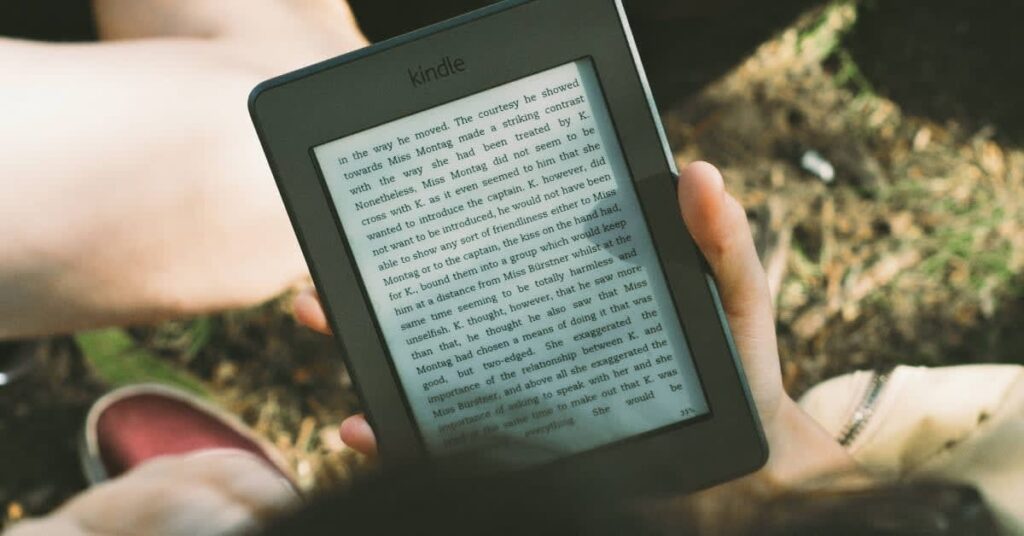
Physical books cannot be changed once printed, but digital books purchased through Amazon’s Kindle ecosystem are licensed files, and it’s not forever, and you don’t own a permanent digital copy. means the book is tied to your account and subject to the platform’s terms and conditions.
In certain cases digital titles can be updated, restricted, or even removed due to licensing charges. You can’t freely transfer your file or resell it the way a physical book would. E-books offer convenience, but you’re paying for their controlled access, not full ownership.
4. Fitness Platforms and Equipment

Buying modern fitness equipment that no longer guarantees full ownership of the equipment. Buying smart banks, treadmills, and workout systems comes with an inbuilt ongoing subscription to unlock guided classes and performance tracking programs.
Without an active membership, its hardware often functions in a limited mode. App-based fitness services follow the same model: you don’t purchase a complete program; you subscribe for continued access. The equipment may sit in your home, but much of its value depends on the recurring subscription for continued access. You don’t just buy the machine; you rent the ecosystem that makes it work.
5. Online News
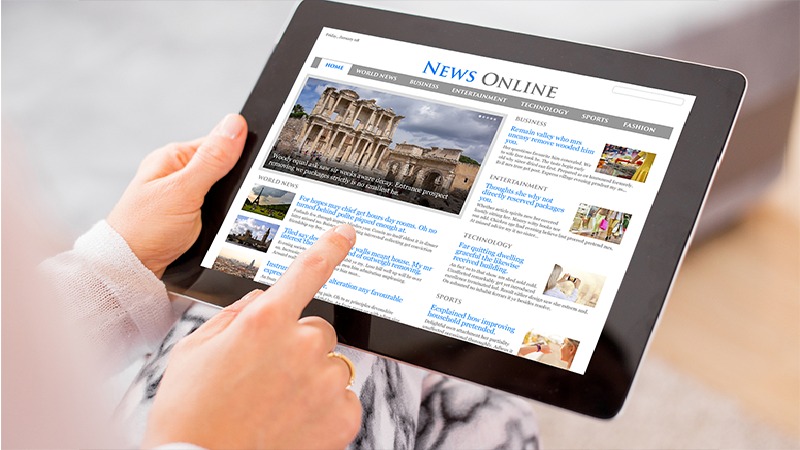
In the past, newspapers or magazines meant physically owning that copy; you could keep it, share it, and archive it. Today, most major publications operate on digital subscription models. Platforms like The New York Times, The Hindu, and The Wall Street Journal access recurring payments like monthly, annual, or full. When you subscribe. You don’t own the article; you’re paying for a temporary subscription; access ends. In the digital media world, you no longer buy the publication; you rent the right to read it.
6. Smart Home Devices
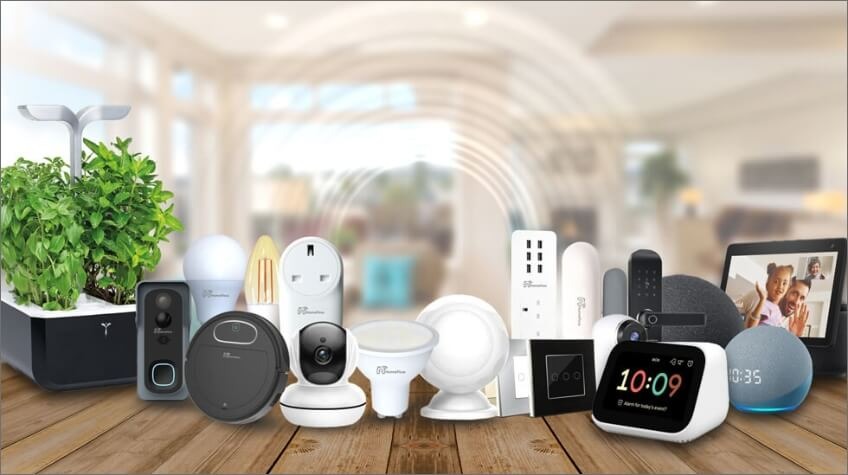
Smart home devices provide security, convenience, and control; much of their functionality depends on ongoing subscriptions. Products like the Ring video doorbell or the Google Nest cam can be purchased once, and the features, such as cloud video storage, extended recording history, and advanced AI detection, often require monthly payment plans. Without the subscription, you may have access to view only limited live viewings and short-access recordings. The hardware is owned by you, and the features are owned by the company’s servers and service terms.
7. Software as a Service (SaaS)
Companies sell software like a service instead of selling like a product. People pay a small amount every month and use the software directly from internet. In the past, software was purchased once and installed permanently on your computer. Companies like Adobe offer Creative Cloud as a monthly plan in place of standalone apps, and Microsoft provides Office through its 365 subscription service.
Also read: 5 Best Investment Ideas to Earn Monthly Passive Income in 2026
8. Apartments (Renting Homes)

In cities like Mumbai, New York, or London, thousands of people have been renting the same property for years. They have birthday parties in the living room, fix the kitchen shelves, paint the walls, and see their children grow up in those bedrooms. It begins to feel like more than a home.
However, a single notice from the landlord might change everything. The rent increases. The building has been sold. The lease is not being renewed. Suddenly, the place where the memories are stored is simply someone else’s property. It worried you. You lived there. Legally speaking, though, you were only paying for the privilege of staying.
9. Cars (Software Features)
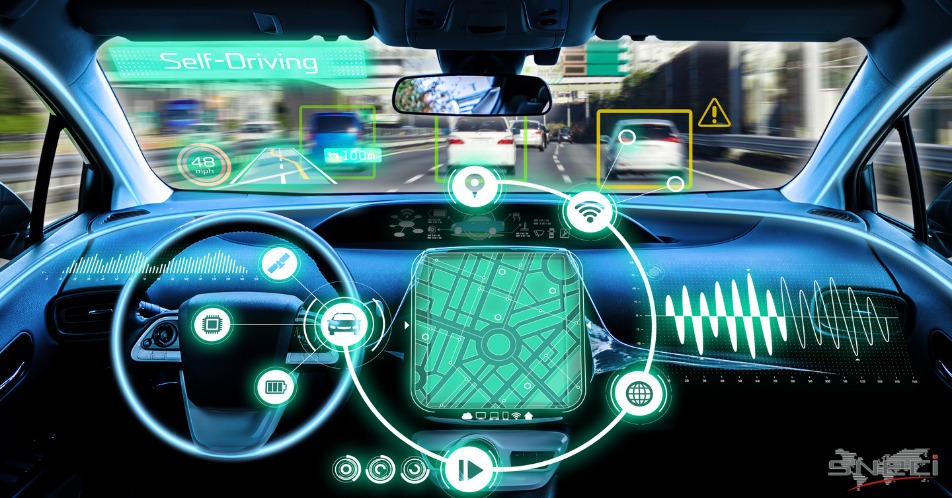
In the past, when you purchased a car, you owned everything in it. Many modern autos now primarily rely on software to perform critical tasks. Companies like Tesla employ over-the-air upgrades to allow performance improvements, driving assistance capabilities, and improved connection. In certain cases, the hardware is already installed, but in order to access certain features, a subscription or other payment is required.
This suggests that parts of the car’s functions are still managed by software even if you are the actual owner. Even if you own the vehicle, you might need to make ongoing payments to make the most of it.
10. Buying a 2-Wheeler Online Using EMI
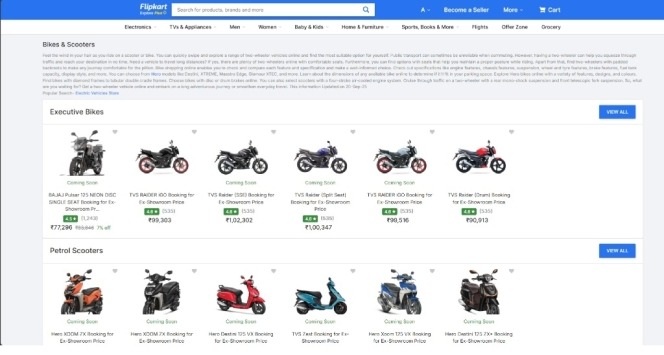
Previously, buying a two-wheeler required an upfront payment and months of savings. Nowadays, choosing an EMI plan and placing an online bike buy from websites like Flipkart or Amazon only takes a few minutes. When the bike arrives at your place, it’s like having it all at once.
But until each payment is made, the bike is financed and not truly yours. In the event of late payments, the lender has the power to intervene. Often, structured access that is spread out over monthly payments creates a sense of ownership. Convenience has replaced saving, and installments have replaced outright purchasing.
Why We Keep Falling in these Traps
Companies have understood the mindset of the public. There are variety of subscription plans for us to choose from. The plans might look cheaper per month, but in reality we end up paying more price. Now, before you think all subscriptions are evil, it is also important to understand that they have positive sides too.
Although all these subscriptions and EMIs are pricier in the long term but they are affordable to regular people. Want to drive a 2-wheeler but cannot afford ₹2 lakhs upfront, monthly EMI is the best option. The key is staying aware and keeping track of where your hard-earned money is going. So choose wisely.
Written by Ameet S