
Synopsis: South Bengaluru has always been one of the city’s most active housing markets and that trend is continuing even in 2026, with the IT job market, metro network, and infrastructural progress along important routes fuelling demand.
The property market of South Bangalore is a combination of mature localities and fast developing corridors and it has steadily been turning into one of the city’s real estate property hotspots. Here is a look at the key demand drivers, prevailing rates, and significant micro-markets in the area.
Why South Bangalore Is Attracting Buyers
South Bangalore is experiencing increasing demand from home buyers primarily due to a mix of job opportunities, strong connectivity and lifestyle advantages.
- IT or ITeS industry’s presence especially in areas like Electronic City, HSR layout, Sarjapur Road offers both employment and rental demand.
- Ongoing metro development, including the Green Line reaching towards Kanakapura Road, has now given residents accessibility closer to the city’s central areas.
- The presence of well-established social infrastructure such as schools and shopping centres gives potential buyers to consider older established neighborhoods such as Jayanagar and JP Nagar along with the new developments such as Sarjapur.
- The new upcoming projects have begun to adjust to the buyers preference towards gated communities and amenities included in the project, rather than the standalone apartment buildings.
Key Micro-Markets to Know
1. Jayanagar, JP Nagar, and Basavanagudi
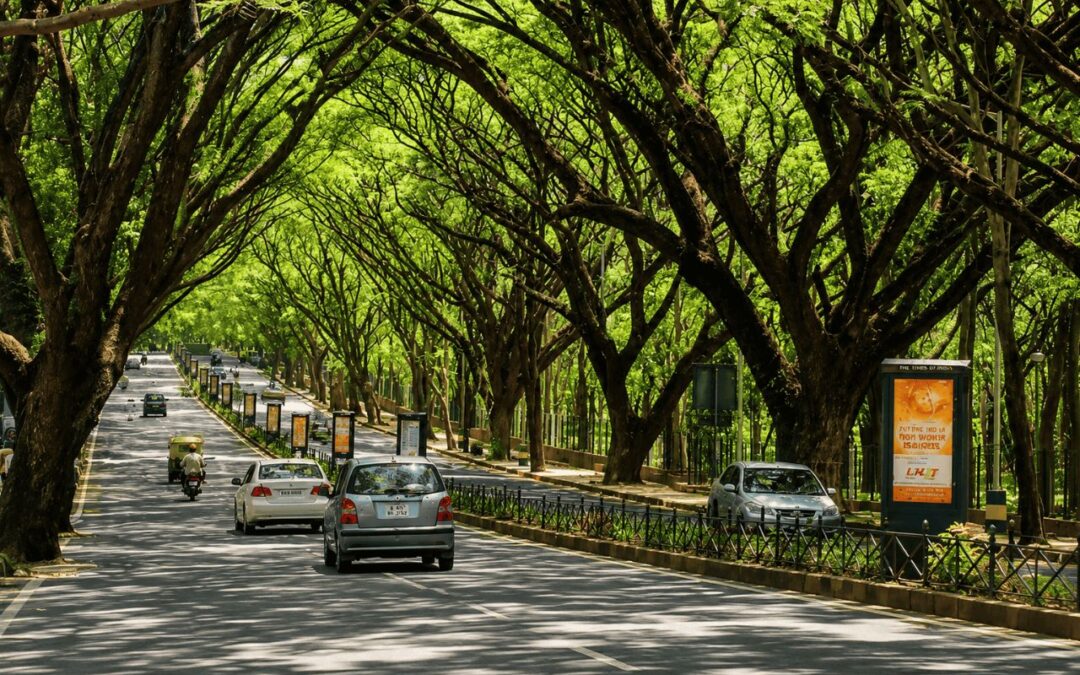
- It is the oldest and most settled residential neighbourhood, known for tree-lined streets and established local markets.
- Largely built out, so most transactions here involve resale flats or independent houses rather than fresh apartment launches.
- Has mature social infrastructure including, reputed schools, hospitals, and long-running markets which keeps demand steady even without much new construction.
- Average property price: This ranges from approximately ₹11,350 per sq. ft. to ₹16,900 per sq. ft.
2. HSR Layout and BTM Layout
- This area is located in proximity to Bangalore’s startup and tech ecosystem, particularly the Sarjapur-ORR (Outer Ring Road) IT belt.
- Buyer and tenant base here include working professionals, startup employees, and small business owners.
- Here, the real-estate market is a mix of high-rise apartment complexes and low-rise independent buildings, alongside a dense cluster of cafes, co-working spaces, and retail outlets.
- Average property price: This ranges from approximately ₹13,500 per sq. ft. to ₹14,400 per sq. ft.
3. Kanakapura Road
- This is South Bangalore’s key growth corridors, with relatively larger parcels of open land compared to the centre of the city.
- This is the preferred destination for large gated townships and integrated residential projects rather than standalone buildings.
- The upcoming Green Line metro extension is expected to significantly cut travel time to the city centre.
- Average property price: This ranges from approximately ₹11,750 per sq. ft.
4. Bannerghatta Road
- A mixed-use stretch combining residential development with strong commercial and healthcare infrastructure, including some of the city’s larger multi-specialty hospitals.
- Has seen a steady pipeline of new apartment launches over the past few years.
- Traffic congestion at peak hours remains a commonly cited concern for residents along this stretch.
- Average property price: This ranges from approximately ₹11,850 per sq. ft.
5. Electronic City and Sarjapur Road
- This area is employment-driven where demand rises and falls depending on the hiring activity at nearby IT and tech companies.
- Housing stock tends to be more affordable compared to areas near the centre of the city, which attracts first-time buyers and tenants.
- Average property price: This ranges from approximately ₹7,750 per sq. ft. to ₹12,200 per sq. ft.
What’s Happening to Prices
Premium, well-established pockets such as Jayanagar and HSR Layout are said to command the highest per-square-foot rates in the zone, reflecting their maturity and limited new supply. Growth corridors like Kanakapura Road and Bannerghatta Road are positioned as relatively more affordable entry points, with pricing expected to rise as infrastructure projects near completion. Emerging real estate zones such as Electronic City and Bommasandra are generally positioned as affordable options, largely due to their distance from the core city and dependence on IT-sector demand.
Connectivity and Infrastructure Push
- The Namma Metro Green Line extension toward Kanakapura Road is expected to cut commute times for residents in that corridor.
- NICE Road continues to serve as a key link between Electronic City, Mysore Road, and other parts of the city, easing some traffic pressure.
- Ongoing road-widening and flyover projects near high-traffic junctions are aimed at addressing congestion that has historically discouraged buyers from farther-out localities.
Is It a Good Time to Invest?
Consistent rental demand from the IT and tech professionals which is concentrated in the southern belt. Ongoing infrastructure upgrades that are expected to improve accessibility and connectivity to the areas around the city over the next few years. A mix of established and emerging micro-markets, giving buyers a range of price points and lifestyle options to choose from.
All in all
South Bangalore’s real estate in 2026 continues to drive robust demand stemming from IT, increased metro connectivity and the blend of both established and upcoming micro-markets. The buyers are advised to do the required research before making any investment decisions.