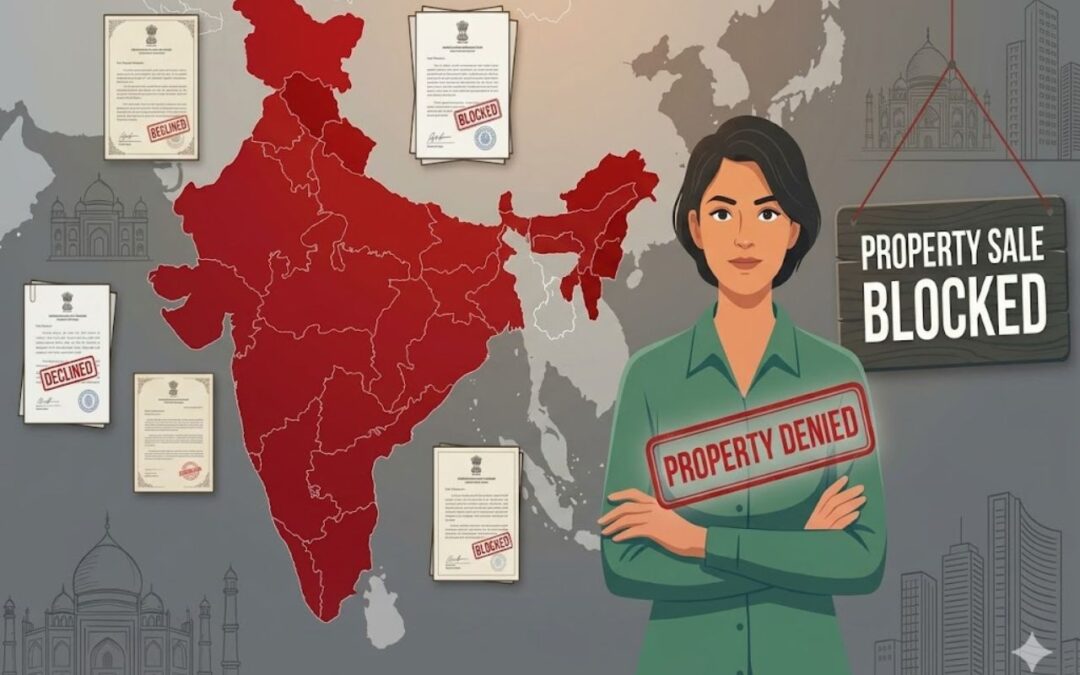
Synopsis: India’s real estate market is growing fast but ownership is not uniform. In many states there are legal and constitutional safeguards which restrict or prohibit land purchases by non-residents and direct the investment flows.
India is often seen as a unified market but land remains a State Subject. There are some special provisions like Articles 371A to 371J through which the Constitution empowers specific states to protect their indigenous identity and resources. As highlighted in recent reporting, these are not just minor hurdles; they are fundamental legal barriers that define who can call these regions home.
Why These Outsider Restrictions Exist
In many of these regions, land is a community resource tied to survival. In such regions land is not treated just as a tradable asset but a community resource tied to identity, culture and livelihood. The limitation in external ownership helps prevent demographic shifts and protects indigenous populations. In hill states, separate land laws aim to control speculative buying and preserve ecological balance.
- Constitutional Protection: Articles 371A in Nagaland and 371G in Mizoram state that Parliamentary laws regarding land ownership don’t apply unless the State Assembly agrees.
- Earth Value: In hill states like Himachal Pradesh, the law prevents buying to stop concrete jungles from destroying nature growth.
- Demographic Angle: These restrictions prevent large migration numbers from altering the unique tribal and indigenous character of a state.
The Restricted States: 2026 Status
| State | Primary Legal Barrier | Restriction Level |
| Arunachal Pradesh | Customary Tribal Laws | Total Ban on land ownership for outsiders |
| Nagaland | Article 371A | Total Ban; land is strictly community/tribal owned. |
| Mizoram | Article 371G | Total Ban; tightly regulated for indigenous locals. |
| Sikkim | Article 371F | Strict Restriction; only locals can buy. |
| Manipur | 2025 Land Notification | Total Ban on transfers to non-indigenous |
| Himachal Pradesh | Section 118 (Tenancy Act) | Partial Restriction; requires Govt. nod for small residential plots. |
| Uttarakhand | Hilly Region Land Laws | Agri-Ban; Residential limit of 250 sq. m for outsiders |
States Where Property Ownership Is Restricted
Across the following regions, land ownership is governed by state-specific laws that override general property rights.The transactions by non-residents are legally restricted or subject to approval.
1. Arunachal Pradesh
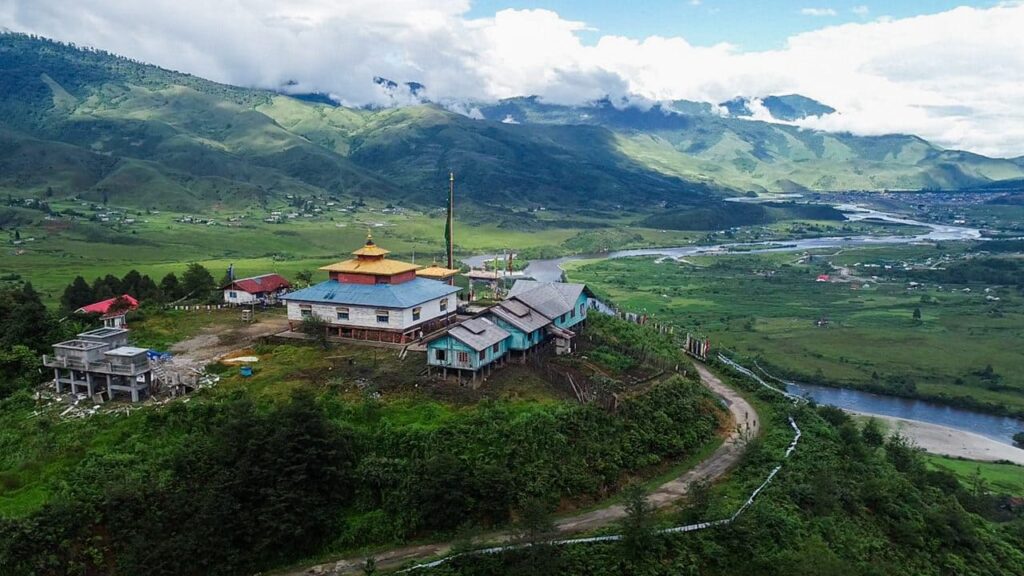
Land here is governed by customary laws. Non-tribals, including fellow Indians from the plains, cannot own land. Even entering the state requires an Inner Line Permit (ILP) which further emphasises that outsiders are guests and not settlers.
2. Nagaland

Under Article 371A, the Naga people have absolute authority over their land. No person from outside the state can purchase property here. This has kept the real estate market almost entirely internal and community-driven.
3. Mizoram

Similar to Nagaland, Article 371G protects Mizo land. Recent 2025 legal reviews reaffirm that land ownership is a “protected right” of the indigenous tribes, ensuring that “non-Mizos” cannot acquire landed assets.
4. Sikkim

Sikkim’s protection under Article 371F is unique. While it integrated with India in 1975, it kept its old laws. Only people recognized as “Sikkimese” can own land. Even other Indians find it nearly impossible to buy property and often settle for long-term leases instead.
5. Manipur

In September 2025, the government prohibited the registration of land transfer deeds from indigenous persons to non-indigenous outsiders. This Indigenous First policy effectively closed the state’s real estate market to the rest of India.
6. Himachal Pradesh

This is the most famous restricted state. Under Section 118, you cannot buy agricultural land if you aren’t a local farmer. However, non-residents can buy pre-constructed flats in urban areas or seek government permission to buy a small residential plot (usually up to 500 sq. meters).
7. Uttarakhand
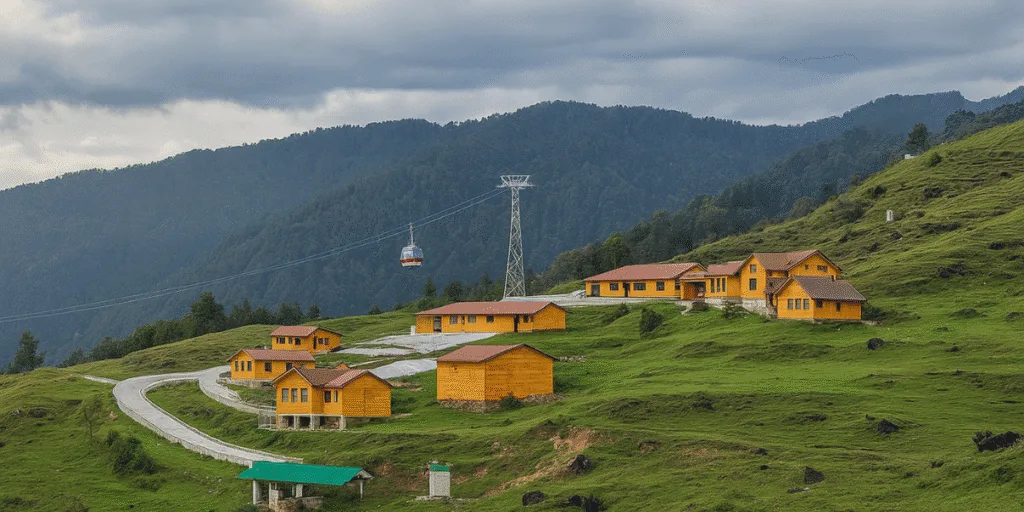
The 2025 Bhu Kanoon (Land Law) has imposed a blanket ban on outsiders buying agricultural or horticultural land in 11 districts. Non-residents are strictly limited to a one-time purchase of 250 sq. meters for residential use only.
Investment patterns reflect regulatory access
These restrictions have a direct impact on how capital is distributed across India’s property markets. The country faces an urban housing shortage of nearly 18.7 million units, according to the Observer Research Foundation, even as demand continues to concentrate in major cities.
Industry estimates indicate that a significant share of NRI investments flows into a few urban centres such as Bengaluru, Mumbai and Hyderabad. These cities offer regulatory clarity and fewer barriers which make them the preferred destinations for non-resident buyers. The contrast is stark. While some regions attract global capital and see rapid price appreciation, others remain insulated due to legal restrictions.
Conclusion
India’s real estate story is as much about boundaries as it is about growth. For investors or a citizen looking for a second home the map of India is divided into Open Markets and Protected Zones. That is why understanding these legal No-Go zones is important as these laws are made to preserve the very soul that is the land and the culture of these unique states.
As reported by The Times of India underscores that these restrictions are not exceptions but an integral part of India’s land policy framework. Thus, understanding where ownership is allowed is just as important as identifying where returns may be highest.
Written by Kenbi Riba