
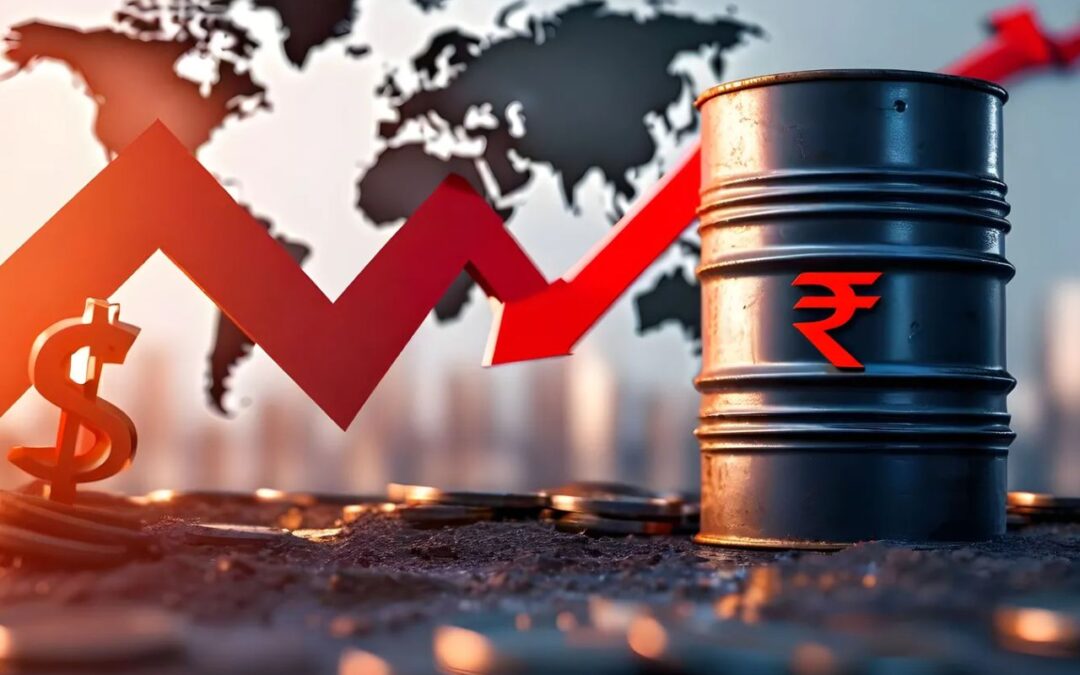
Synopsis: From April to mid-December rupee fell 4-5% but it didn’t affect oil prices. A weaker rupee doesn’t always translate into higher domestic oil prices due to government pricing controls, subsidies, and tax adjustments. This article explains the reasons why domestic oil prices was not impacted.
During the year 2025, the currency of the Indian rupee lost value by almost 5% against the dollar which is a noticeable drop. India is importing more than 85% of its crude oil, 95% of its gold, 60% of its cooking oil, and most of the semiconductor components, medicines, fertilizers, and FII pulls out the money from the Indian market and invests in the American market because of the AI boom. Importing so many essential goods, the country suffers an increase in cost for every single point of rupee depreciation, making the fuel in your car, the medicine in your cabinet, and the phone in your pocket costlier as well.
But Why didn’t Oil prices react when the Rupee fell
In this scenario, where the cartel has such strong control over the market, Russia has stepped up as a key alternative. Starting from April 2025, Russian crude was offered at a very low price below the market price $1.70-2 per barrel. But the situation changed drastically in late October when the U.S. imposed sanctions on Rosneft and Lukoil, the two largest Russian oil producers. At that time, the price of Russian oil fell dramatically to a discount of $7 per barrel. As a result, the absolute price of Russian oil in December 2025 dropped even lower to $35 per barrel, which was a remarkable 50% discount off the $70 Brent crude.
India’s position in this matter is truly beneficial. If India were to replace 35% of its crude imports with Russian oil which is the maximum allowed based on the refinery’s configuration optimized for Middle Eastern crude, the blended import cost of oil would go down from $70 per barrel to the approximate figure of $60.81 per barrel, a reduction of 13% in the annual import bill amounting to around $15–16 billion savings in hard currency every year.
Gold and precious metals prices are skyrocketing
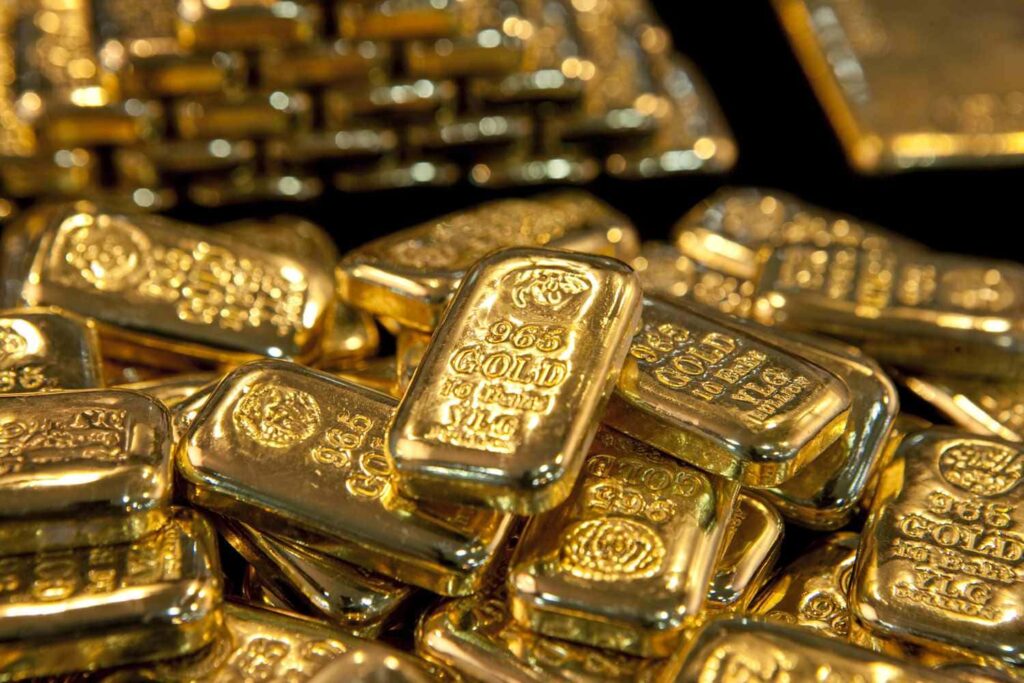
India ranks as the world’s largest gold importer, purchasing roughly 1.5 million tonnes each year. Gold imports surged 200% as Indians sought to hedge against rupee weakness and inflation concerns. Despite the gold wedding season and high consumer demand, domestic jewelry prices are expected to rise 3-5% from Q4 2025 onwards.
Edible oils

A critical dietary staple for hundreds of millions of Indians is partially imported by 60%. In FY 2024, India imported 15.96 million tonnes of edible oil, with a total cost of ₹1.32 lakh crore. Every rupee depreciation directly increases cooking oil prices, with the pass-through to consumer prices more full than for energy products. Economists forecast that edible oil prices will begin rising visibly from January 2026 as the rupee depreciation effect materializes.
Electronics and Semiconductor components
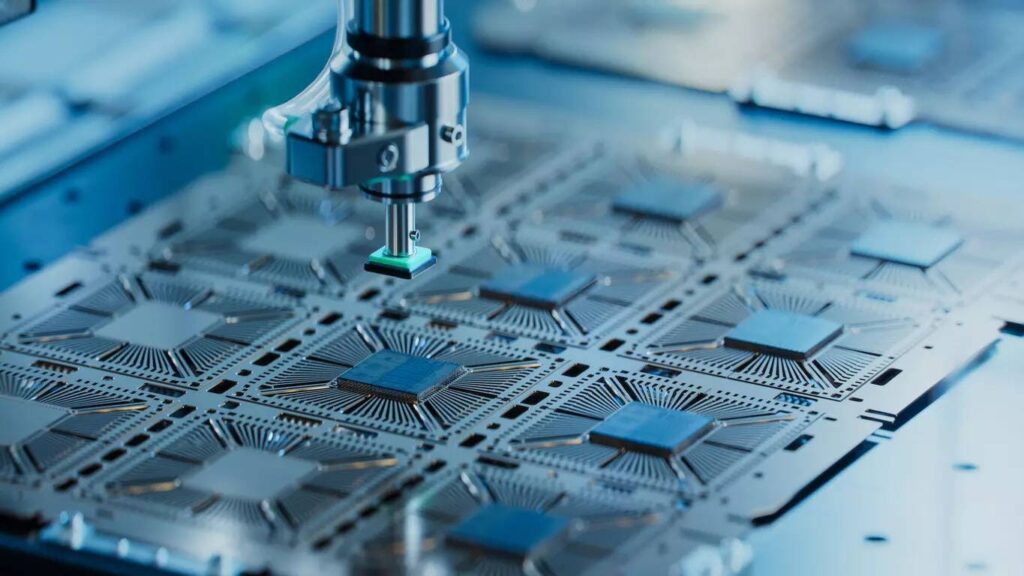
These are heavily imported despite India’s “Make in India.” While Apple has managed to reduce import dependence from 60% to 23% of its India revenue, Samsung remains at 67%, LG at close to 100%, and Lenovo unchanged. 12 major electronics imported ₹1.21 lakh crore worth of components and finished goods in FY 2025. So Apple made agreements with CG Semi for assembling and packaging iPhone components to reduce the cost.
Also read: Make in India 2.0: 5 Promising Sectors Contributing the Most to India’s GDP by 2030
Pharmaceuticals

Pharma relies mostly on imported Active Pharmaceutical Ingredients (APIs), mainly from China. The weaker Indian rupee translates into higher API prices, which in turn reduce the profits of generics producers, whose margins are already very thin. On the other hand, retailers will recoup their losses via medicines with a price hike of 2-5% starting from early 2026. And it also affects exports because India exports 20% of the global supply chain.
Automobiles
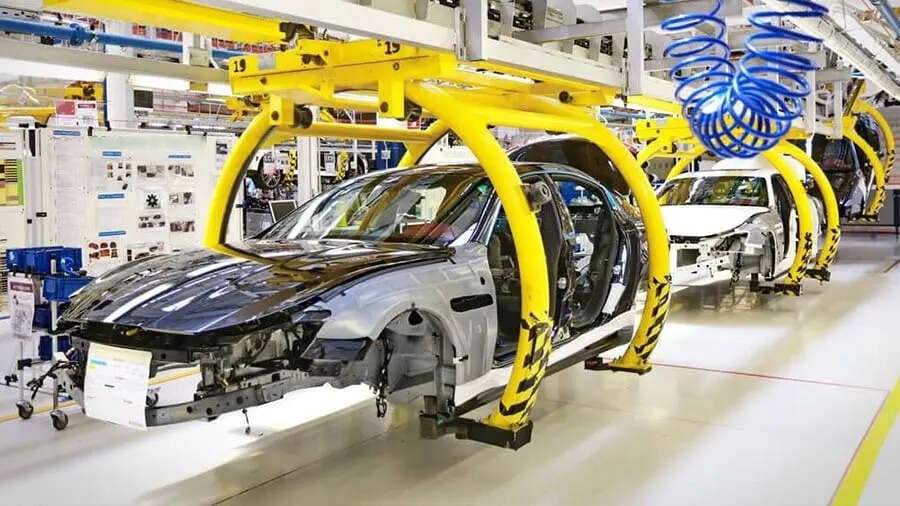
It is a double squeeze, and this segment is the most affected one: input costs for steel, aluminium, and semiconductors all go up due to a weaker rupee, and on the other hand, the affordability of consumers goes down because of inflationary pressure on their budgets. The carmakers have already indicated that the prices will go up by 3-7% for the major segments of vehicles from January 2026 onwards.
Why Consumer Prices Haven’t Risen Yet
If the rupee has depreciated 5% and these commodities are 85-95% imported, why haven’t consumer prices risen 5%? There are three interconnected reasons.
1. Incomplete pass-through: If an electronics company raised prices by 5% to counteract a 5% depreciation of the rupee, this would lead to a drastic drop in demand, and the company would lose its market share to rivals. Rather, the firms choose to take in a portion of the cost, praying for rupee appreciation or global price declines to give them a breather later on.
2. Timing lags: As per RBI research, a 5% drop in the Real Effective Exchange Rate (REER), the index reflecting inflation-adjusted currency movement, would result in a rise of 35 basis points in inflation, but this would happen over a period of 3 to 4 quarters rather than instantly. The rupee experienced its deepest depreciation from mid-November to early December 2025. Retail prices will start reflecting these cost pressures from January 2026 and will progressively increase during Q1 and Q2 2026.
3. Offsetting deflation: The current inflation of India is at a historical low, CPI of October 2025, just 0.25%, mainly due to the fall in food prices, which is the result of surplus and the global price decreases stemming from unresponsive Chinese demand. However, the food deflation has somewhat concealed the increasing imported inflation part, which has reached 1.6% of the CPI basket already, thanks to gold and oil.
Conclusion
The rupee’s fluctuations, along with cheaper crude oil imports, especially the discounts from Russia, are reducing India’s import costs, yet the impact on retail prices is minor and tardy because mostly the benefit is swallowed by OPEC’s cartel pricing, tariffs, and partial pass-through. For other imports like electronic gadgets, drugs, fertilizers, and edible oils, a softer rupee is constantly increasing the expenses with a 2-3 quarter delay; hence, the noticeable effect on household budgets will be mostly in 2026 rather than right away with the currency movements.
Written by Yatheendra N