
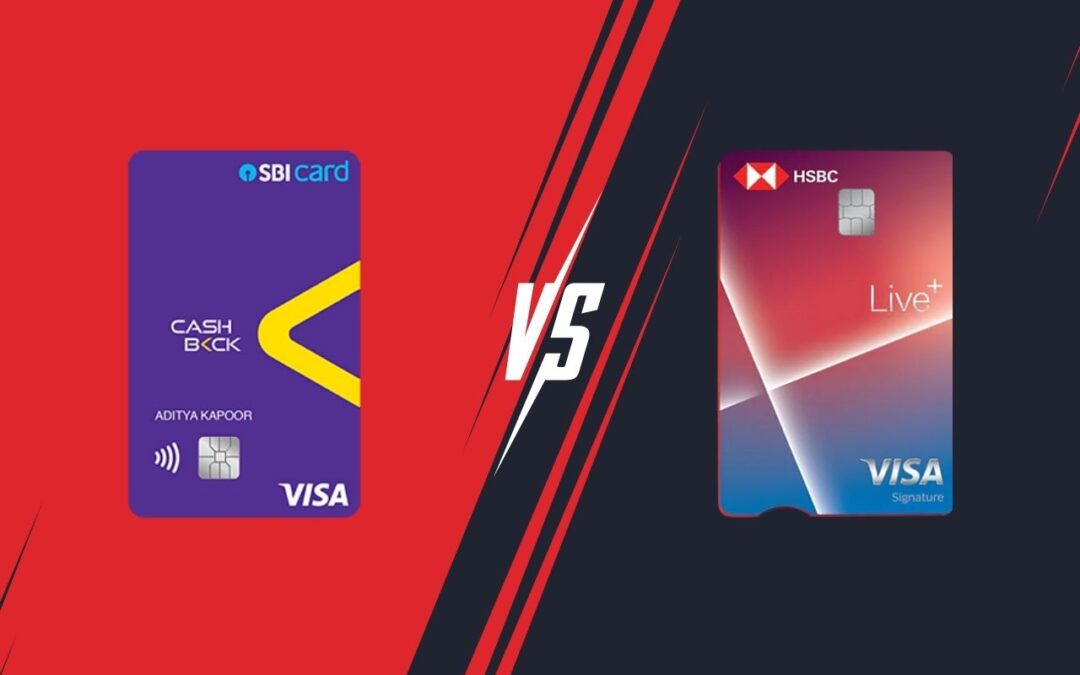
Synopsis: In this comparison guide, both the cards SBI Cashback Credit CArd and HSBC Cashback (Live +) shall be weighed out for most of their offerings and rewards. Read on to learn what are the benefits and perks and which one is best for 2026 financial year savings.
The cashback credit cards are one of the best ways to save up while you spend. Some cards like SBI Cashback Card and HSBC Cash Back (Live+ now) provide exceptional value upon spending.
Other credit cards aimed at gaining rewards for particular segments feel limited but in the case of cashback cards the s[ending categories are equally divided. For instance, if you have a travel card then the travel sending may only earn your reward and if you have a shopping card then you would only earn in online expenditure.
Now, let us walk through all combined benefits of both the master value cards and identify which one of them could provide the absolute value for the year 2026.
A Brief Snippet of Both the Cashback Cards:
SBI Cashback Credit Card: This card is one of the most popular ones in the online shopping segments by offering a flat rate on almost any website, removing the need to worry about whether you are shopping on Amazon, Flipkart, or a smaller D2C brand. It is strictly focused on online value.
HSBC Live+ Credit Card: Formerly the HSBC Cashback card, the rebranded Live+ card positions itself as a lifestyle essential. It targets the comfort and high-fi value spender with heavy rewards on dining, food delivery, and groceries.
HSBC Live+ Credit Card
- Joining Fees: ₹999 + taxes
- Annual Fees: ₹999 + taxes
- Annual Fee Waiver: Waived on spending ₹2,00,000 in a year.
- Best Suited for: Food, groceries, and lifestyle
- Rewards in: Cashback (credited to the statement).
- Reward Value: 1 Cashback Point = ₹1.
Benefits:
- You earn a massive 10% cashback on Dining, Food Delivery (Zomato/Swiggy), and Grocery spending. (capped at ₹1,000 per billing cycle)
- You earn a flat 1.5% cashback on other spends (both online and offline)
- Lounge Access of 4 complimentary Domestic Airport Lounge visits per year (1 per quarter).
- Up to 15% discount at partner restaurants via the HSBC Live+ Dining Program.
Also read: Axis Bank ACE Credit Card Review 2026: Best Cashback Card for Utility Bill Payments?
SBI Cashback Credit Card
- Joining Fees: ₹999 + taxes
- Annual Fees: ₹999 + taxes
- Annual Fee Waiver: Waived on spending ₹2,00,000 in a year.
- Best Suited for: Online shoppers
- Rewards in: Cashback (auto-credited to the statement).
- Reward Value: 1 Cashback Point = ₹1.
Benefits:
- Earn 5% cashback on online spending (capped at ₹5,000 per billing cycle)
- Earn 1% cashback on offline spends
- The cashback is automatically credited to the SBI Card account within two days of next statement generation.
Exclusions: It is important to note that Rent, Wallet Loads, Merchant EMIs, Jewelry, School/Educational Services, Insurance, and Utilities do not earn the 5% cashback (some may earn 0% or 1% depending on current MCC updates).
No Lounge Access: As of the latest devaluation, this card does not offer complimentary airport lounge access
Cashback SBI Vs HSBC Cash Back Comparison Table:
Who wins the race of cashback?
If your monthly credit card bill is vastly of Swiggy or Zomato orders or dining out on weekends and buying groceries online then the HSBC Live+ is the clear winner. The 10% return is unbeatable in the industry.
However, SBI cashback is a great choice for users who shop vastly over Myntra, Amazon/Flipkart, or MakeMyTrip. The 5% rate applies to almost any online transaction. Furthermore, the cap of ₹5,000 allows you to spend up to ₹1 Lakh online and still get full rewards when HSBC’s accelerated reward stops after just ₹10,000 of spending.
Final Verdict
SBI Cashback has established itself as one of the major goto cards when it comes to rewards in cashback. However, with the recent devaluation it is evident that his card has lost some of the potential benefits which cardholders used to look forward to. Now, SBI cashback credit card could still win the comparison but this time HSBC Live+ seems to be taking the lead.
Thus, applicants should weigh out their major spending areas and total expected expenditure in a year or quarter. This will help in choosing which one would be the most ideal one.
Written by Kenbi Riba