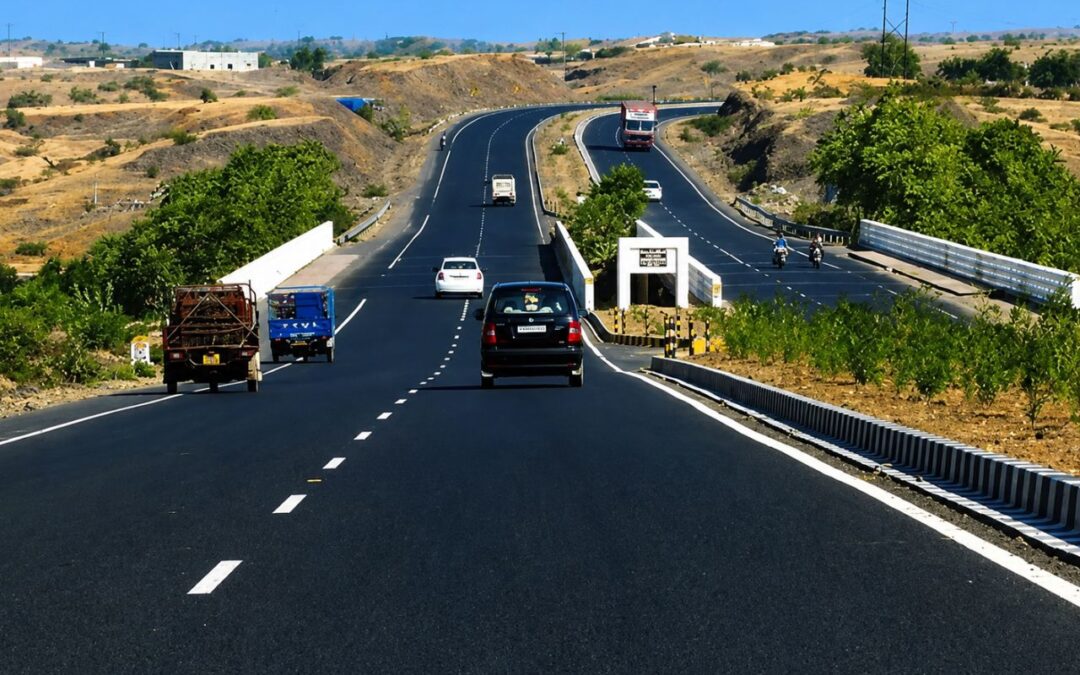
Synopsis: NHAI has opened the ₹1,024.66 crore Vadipatti-Thamaraipatti of the Madurai Ring Road (NH-744A) for traffic. The nearly 30 km four-lane corridor bypasses Madurai city, links NH-44 and NH-38, and is expected to reshape connectivity, logistics and property demand across areas.
Madurai, a temple town, has long struggled with heavy inter-city traffic in areas like Dindigul, Trichy and southern Tamil Nadu with further, adding to congestion around the Meenakshi Amman Temple area. NHAI has completed and opened the Vadipatti-Thamaraipatti section of NH-744A, better known as the Madurai Ring Road, at a cost of ₹1,024.66 crore. This gives Madurai a proper outer ring, and it’s likely to impact real estate, logistics and travel in the districts surrounding the city.
The Infrastructure
The newly opened stretch runs 29.960 km and connects two of the busiest highways in Madurai, NH-44 (the Dindigul-Madurai corridor) and NH-38 (the Trichy-Madurai corridor). With this commuters can now bypass Madurai entirely via this ring road. This includes,
- 2 flyovers, 2 vehicular overpasses, 2 vehicular underpasses, 5 light vehicular underpasses, 4 small vehicular underpasses and 2 pedestrian underpasses for smooth movement
- 4 major bridges and 29 minor bridges, and a partial cloverleaf interchange for smoother traffic distribution
- A toll plaza at Ilavankulam near Alanganallur
- A dedicated wildlife overpass with a noise barrier near the Waguthamalai reserve forest
- 11.32 km of service roads on both sides for local commuters
- PTZ camera-based Advanced Traffic Management System (ATMS) for real-time monitoring of parking violations and incidents
Areas Likely to Benefit
Travel Time and the Logistics
Vehicles moving between Dindigul and Trichy no longer need to cross through Madurai’s city core, cutting out signal delays and congestion near the temple area. The estimated time is, compared to the Tamil Nadu ring roads, typically saves commercial traffic 20 to 40 minutes per trip. For local business and commuter this benefits as,
- Lower vehicle operating costs and fuel consumption on inter-district trips
- Faster access to industrial estates and tourism hubs on Madurai’s outskirts
- Reduced air pollution and traffic stress within the city
Real Estate Impact, Area by Area
- Vadipatti- The average property price ₹4,396 per sq ft, and this area is continuously drawing gated-community and plotted-development launches. This direct ring-road access is likely to appreciate the prices, as it sits right at the corridor’s starting point.
- Alanganallur- The average property price is ₹4,996 per sq ft. With the new toll plaza and Jallikattu-driven local economy, better connectivity to both NH-44 and NH-38 could support steady, if gradual, price appreciation over the next few years.
- Thamaraipatti and surrounding villages- The average property price is ₹2,335 per sq ft. As the ring road’s terminus, it stands to gain the most in relative terms, from near-zero highway-linked demand to direct exposure.
- Othakadai- The average property price is ₹5,830 per sq ft. largely due to proximity to industrial zones and NH-44 connectivity. Continued SIPCOT expansion, including the proposed approx. 775-acre Ilupakudi Industrial Park, could keep this among Madurai’s more active affordable-investment pockets.
- Alagar Kovil Road: The average price of villas here is around ₹1 crore, reflecting its mixed residential-commercial character and cultural significance.
Ring roads tend to play out over a 2 to 4 year horizon, the immediate effect is usually on decongestion and logistics and the direct effect typically follows once industrial occupancy and residential demand catch up.
All in all
The ₹1,024 crore Madurai Ring Road stretch finally gives Madurai a functioning bypass and a relief to years of city-core congestion. For Vadipatti, Alanganallur, Thamaraipatti and the villages of northern Madurai, better connectivity, industrial access and eventual real estate growth are to watch over the next few years.