
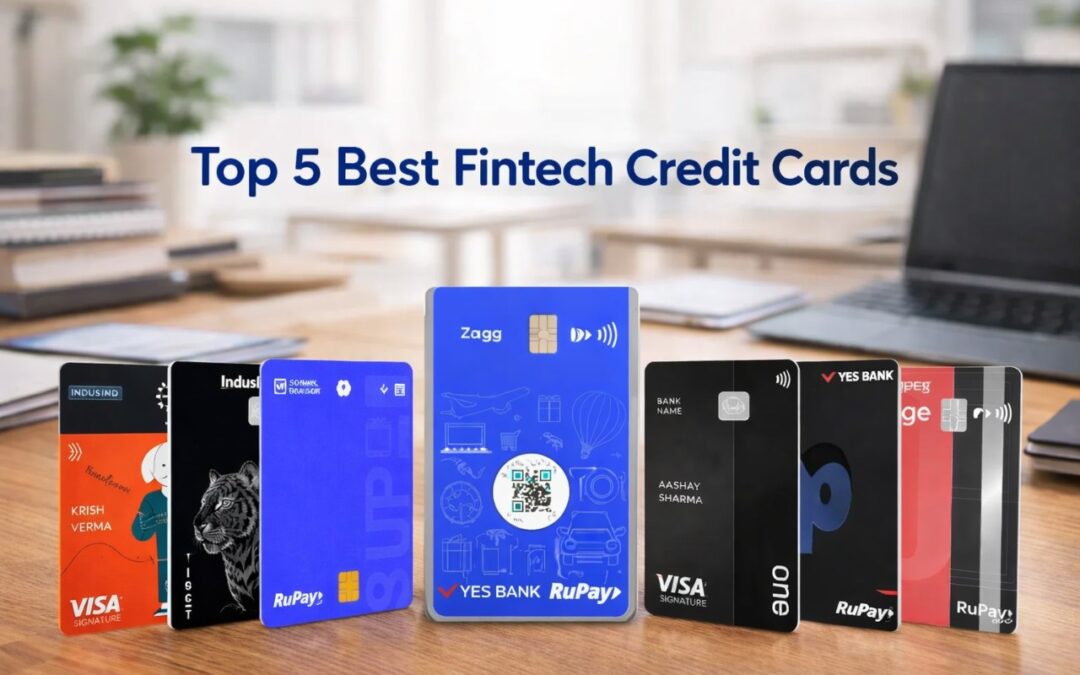
Synopsis: The Fintech credit cards introduction has combined the ease of UPI and the comfort of available credit. Here is a look at five leading fintech credit cards making headlines this year and what benefits they are actually providing.
Credit Cards in India are a booming sector because of the convenience it provides to live up to the city life inflation. The digital payment method is mostly the first preference for many now, and since fintechs are focusing more on this particular convenience, there are countless options out there.
The regular credit cards focus on milestones and an individualistic reward structure. Here the difference lies, fintech cards tend to be more direct and easier to use and access the sum. Read below to learn more about which are those cards are currently ruling the segment and why.
What Are Fintech Credit Cards?
Fintech credit cards are digital credit products sometimes issued in partnership with banks, but are mostly managed through apps. The entire experience from application to reward redemption is handled primarily via mobile apps. These cards often highlight their UPI-linked credit card payment methods, live expense tracking feature, simplified reward models and very low or lifetime free status.
How Are They Different From Regular Ones?
The major difference lies in usability, which means that in traditional credit cards, the focus is on milestone spending and targets; the offers are also category-based and often include higher annual fees for premium benefits.
In fintech credit cards, the issuer provides app-based controls and transparency, offers direct cashback or easy-to-understand reward points, integrates with UPI for QR-based payments, and lastly, it comes with lower or zero annual fees
Thus, the difference is mainly in the comfort of using the card connected with the app, where you can track everything, and most formalities are completed through the app. The reward structure is another important factor, as the traditional one sometimes has a complex reward system and ratio. In Fintech cards, the issuers promise a more user-friendly design.
1. Scapia Credit Card
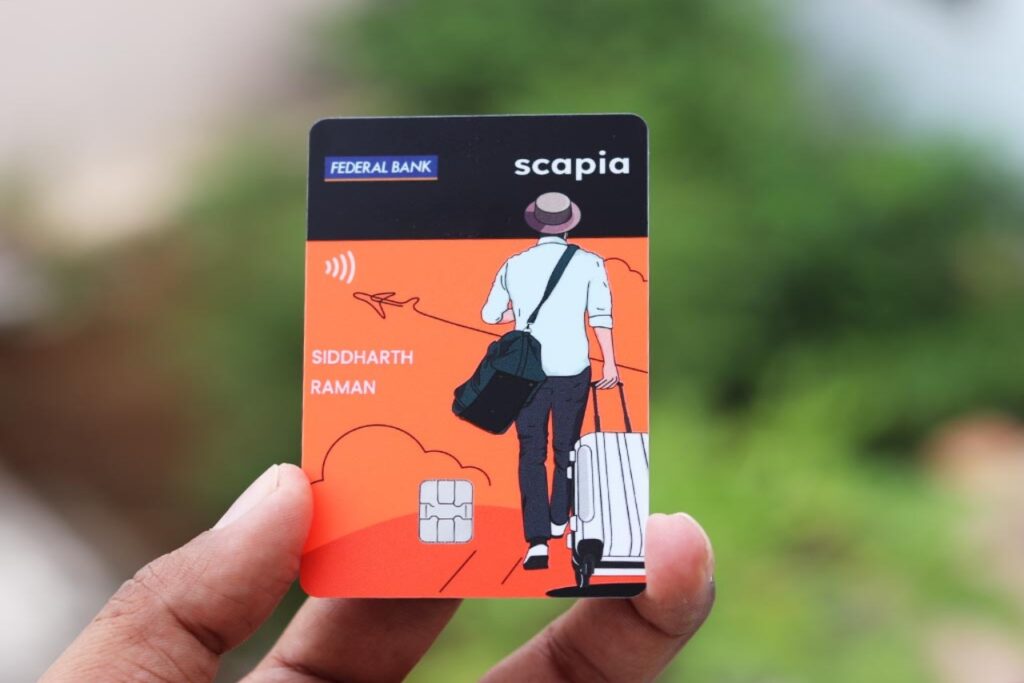
- Joining Fees: Nil
- Annual Fees: Nil (lifetime free)
- UPI Compatible: Yes (RuPay network gives UPI on credit)
- Card Type: Travel
- Rewards In: Scapia Coins
What Exactly Is Scapia?
Scapia is a fintech company that focuses more on travel-related rewards and combines a digital credit card with travel bookings. It partners with regulated banks to issue co-branded credit cards. Scapia handles onboarding, reward tracking and redemption, and the bank partners handle credit issuance and regulatory compliance.
Benefits
- Zero forex markup on international transactions.
- 20% reward Scapia Coins on flights and hotel bookings made via the Scapia App
- 10% reward on all other online and offline spends.
- 5 Scapia Coin = ₹1.
- Unlimited domestic airport lounge access upon a combined monthly spending of ₹20,000 on Visa and Rupay.
2. POP Club Credit Card
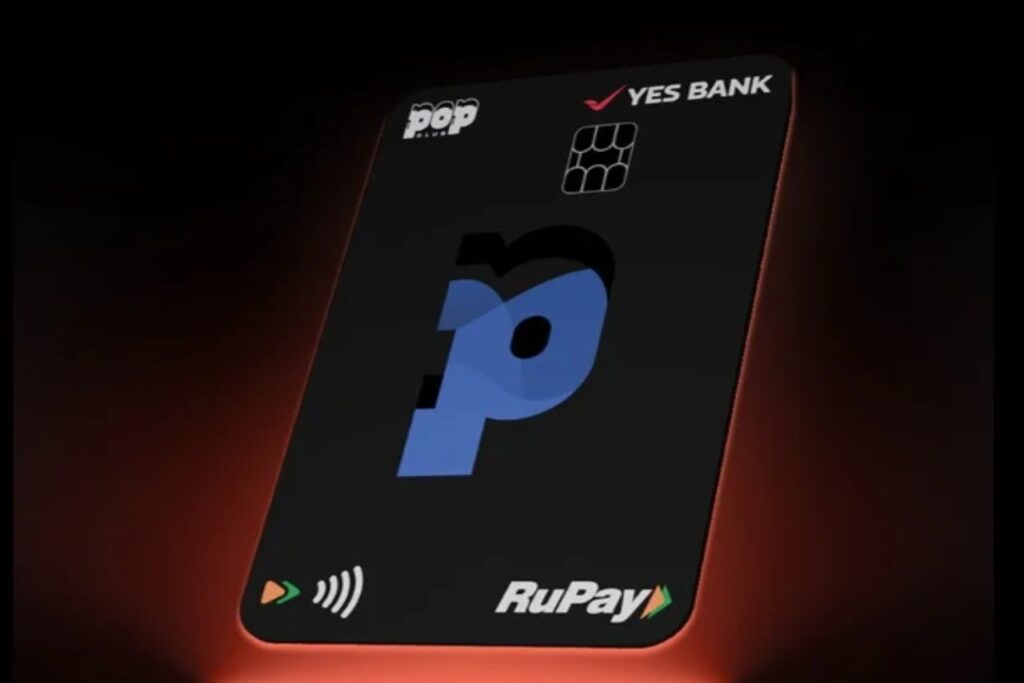
- Joining Fees: Nil
- Annual Fees: Nil
- UPI Compatible: Yes, in the RuPay variant
- Card Type: Rewards Card
- Rewards In: POPcoins
What Is POP?
POP is a fintech rewards platform that operates within its own shopping and payments domain. The app manages all the processes such as onboarding, reward tracking and redemption. The partnered bank handles credit issuance and regulatory compliance.
Benefits
- 2% POPcoins on every UPI transaction
- Earn 10 POPcoins on every ₹100 spent
- POPcoins are redeemable as vouchers, discounts, and statement credits.
- ₹5,000 worth of welcome benefits
- 1 POPcoin = ₹1
3. OneCard
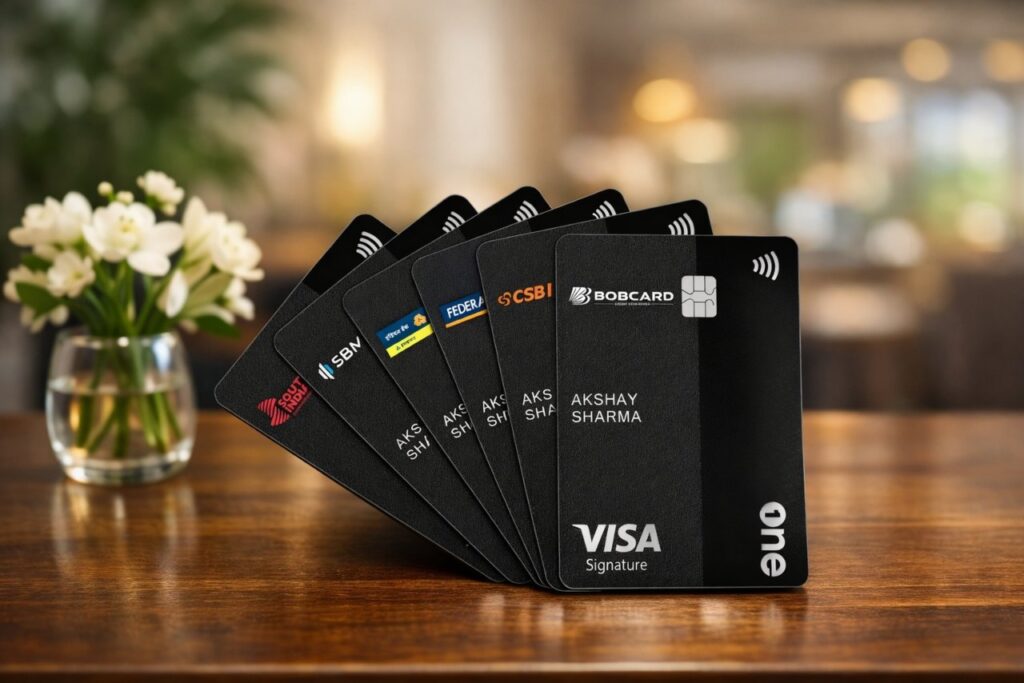
- Joining Fees: Nil
- Annual Fees: Nil
- UPI Compatible: RuPay variants available
- Card Type: Metal Credit Card
- Rewards In: Reward Points
What Is OneCard?
OneCard is a fintech-managed, mobile-first credit card platform partnered with multiple banks for issuance. It is known for its metal card design and full in-app control system. Users can manage limits, enable or disable transactions, and monitor spending entirely through the OneCard app.
Benefits
- Earn 1% base reward rate on most eligible spends.
- Unlock 5X reward multipliers on selected top two spending categories through the “Around You” feature.
- Convert reward points directly into statement credits within the app.
- Instant card lock/unlock and transaction category controls.
4. Zagg Credit Card
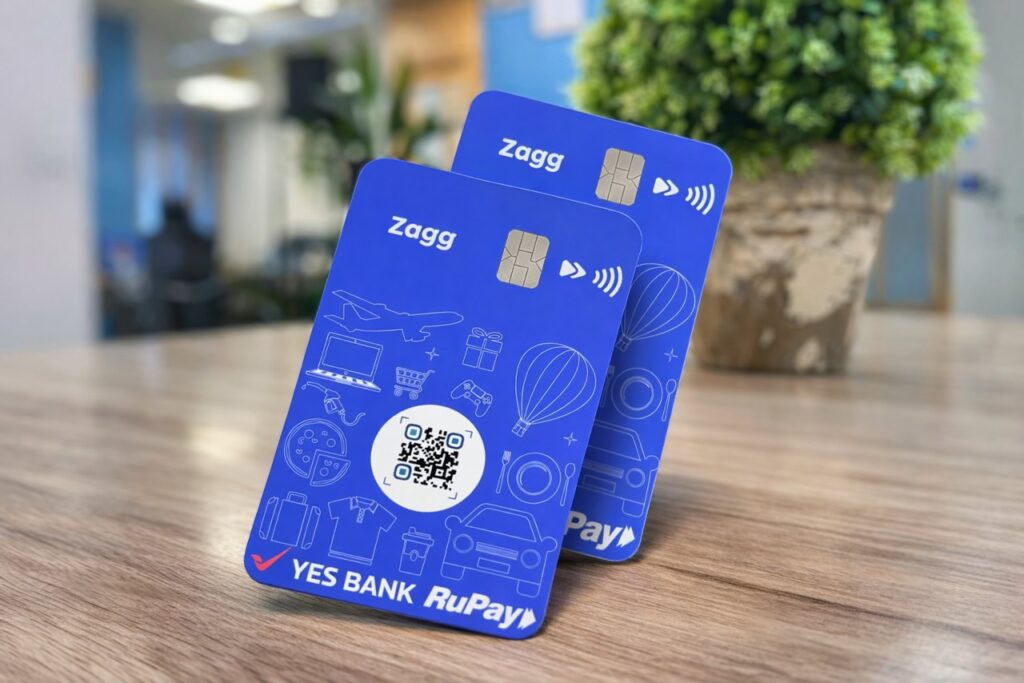
- Joining Fees: Nil
- Annual Fees: Nil
- UPI Compatible: Yes
- Card Type: Reward Card
- Rewards In: Zagg Coins
What Exactly Is Zagg?
Zagg is a fintech digital rewards platform that introduced the Zagg Credit Card to focus specifically on UPI-on-credit transactions. The card is structured to reward QR-based and daily digital payments while remaining lifetime free. The partnered Bank Yes Bank manages issuance and compliance.
Benefits
- 3% Zagg Coins on UPI transactions
- Credit Limit up to ₹1 lakh
- Up to 40% discount on partnered platforms like Swiggy, BookMyShow and more
- 1% Fuel surcharge waiver
- 2 complimentary Domestic Airport Lounge visits per calendar quarter
5. SuperCard Pro (SuperMoney)
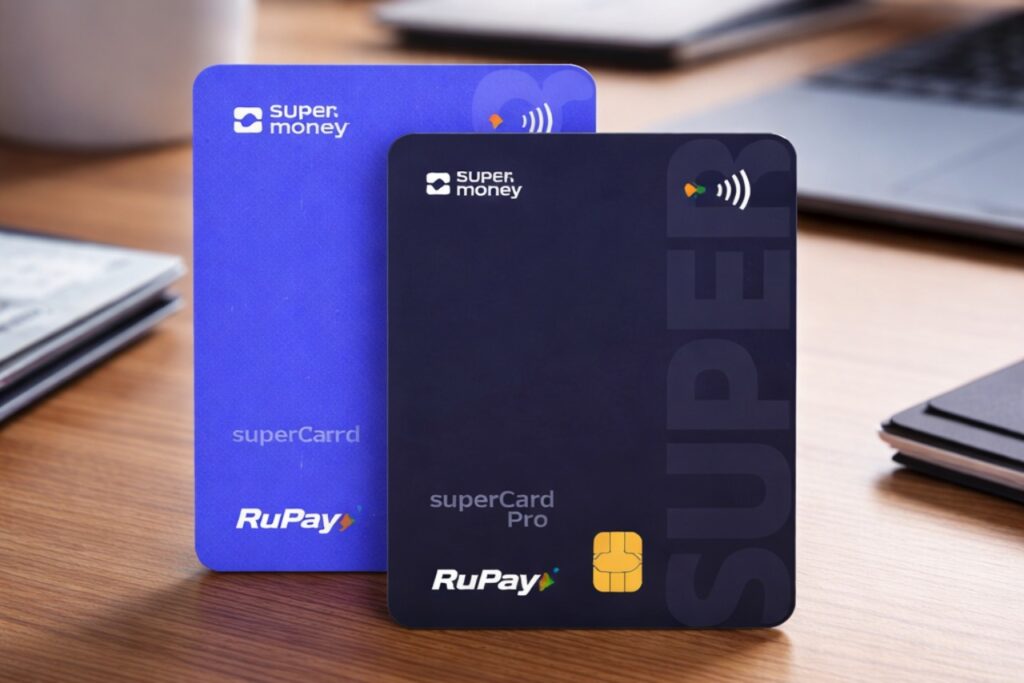
- Joining Fees: Nil
- Annual Fees: Nil
- UPI Compatible: Yes
- Card Type: Cashback Card
- Rewards In: Direct Cashback
What Is SuperCard Pro?
SuperCard Pro credit card is offered by Flipkart SuperMoney in collaboration with Axis Bank. It offers flat cashback, especially targeting UPI credit card transactions. The fintech app handles user interaction and rewards, and the partnered bank manages issuance and regulatory compliance.
Benefits
- Up to 5% cashback on every merchant transaction
- Up to 9% interest rate on FDs (can start with ₹100)
- 3% cashback on UPI transactions via SuperMoney App
- 100% fuel surcharge waiver on spend of ₹400 to ₹4000 (Capped at ₹400 per statement cycle)
Also Read: Top 5 Credit Cards With the Lowest Spend Requirement for Complimentary Lounge Access in 2026
Table for Quick Reference
Are Fintech Credit Cards Better Than Regular Ones?
This is a question that many have with them. The answer to this is – it could be a better option if you rely heavily on UPI and digital payments. The reason is that it provides simplified reward structures, app-based transparency, and low-cost access.
That being said, regular credit cards do give quite a close competition with their Rupay variant, as it is UPI compatible too. The answer to which is better actually depends on the spending pattern of each individual.
Conclusion
Fintech credit cards entered the credit market with an attractive offering of UPI integration, a simple rewards system, and in-app management. They are becoming serious alternatives to conventional banking products.
Scapia is currently leading in travel rewards and zero forex markup, whereas POP offers shopping benefits, OneCard offers digital control and transparency, Zagg enhances UPI-linked rewards, and SuperCard Pro simplifies cashback. As digital payments continue to dominate, these fintech credit cards are expected to play an even larger role in everyday financial behaviour.