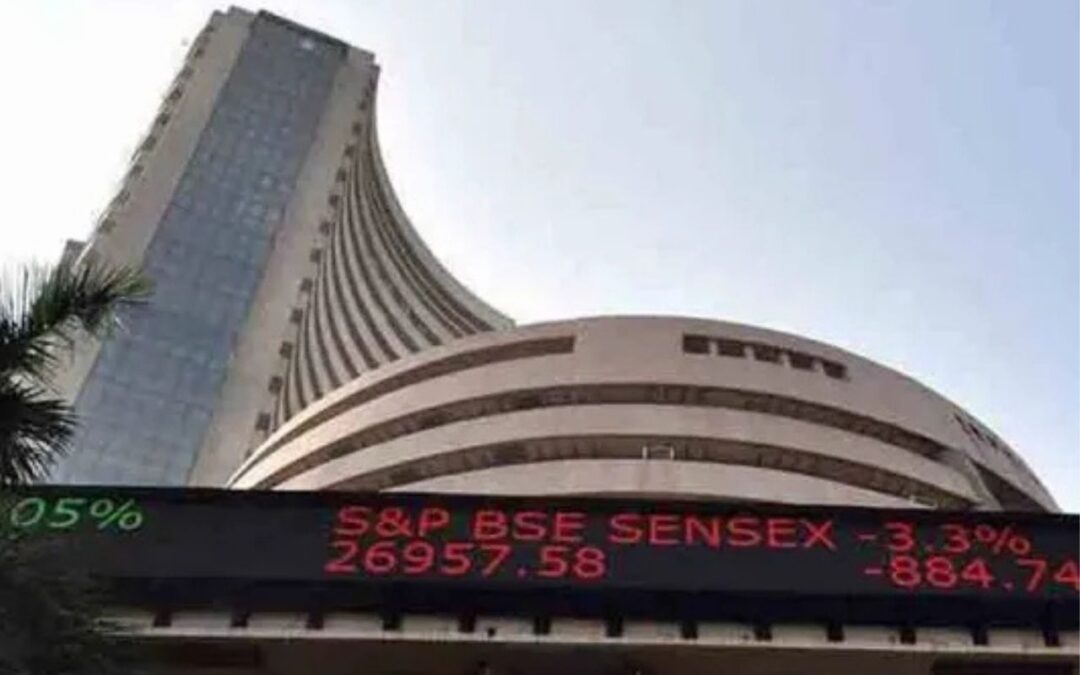
Synopsis: BSE shares fell over 5% on June 5 after RBI Governor Sanjay Malhotra confirmed the July 1 deadline for proprietary trading collateral norms, triggering fears of a 15-20% drop in derivatives volumes and forcing a valuation re-rating of India’s exchange-led capital market plays.
The statement sent an immediate shockwave through capital market stocks. Angel One, one of India’s largest discount brokers, fell approximately 3.5% in the same session, reflecting broader anxiety across the broker and exchange ecosystem about what the new regulatory framework could mean for trading volumes, capital requirements, and revenue trajectories.

The stock fell as much as 5.2% intraday to Rs. 3,822.90 before recovering some losses to close at Rs. 3,880.00, down 3.8% from its previous close of Rs. 4,033.40. With a market capitalization of Rs. 1.58 lakh crore, BSE is currently trading at a P/E ratio of 68.27, reflecting the premium valuation investors have historically assigned to its derivatives-led growth story.
The RBI had originally proposed these norms earlier in the year but deferred implementation from April to July following significant pushback from the broking industry, which argued the rules needed more time for operational adjustment. That window of relief has now closed. Governor Malhotra confirmed the central bank’s intention to retain the requirement for 100% collateral backing on all loans linked to proprietary trading activities meaning brokers and proprietary trading desks will no longer be able to access leveraged funding at the scale they currently enjoy.

In practical terms, proprietary trading where firms trade financial instruments using their own capital rather than client funds currently accounts for an estimated 40% of India’s total futures and options (F&O) turnover. These desks are not just passive participants, they are the primary liquidity providers in the derivatives market, particularly for index options. The 100% collateral requirement dramatically curtails the leverage these desks can deploy, effectively raising the cost of capital for each unit of trading activity and reducing the economic incentive to maintain current volumes.
Industry estimates suggest derivative trading volumes could contract by 15% to 20% over time as a direct consequence of these norms, a figure that, when combined with other recent regulatory actions, paints a challenging picture for volume-dependent exchanges.

This development is particularly important because BSE’s recent growth has been heavily driven by its derivatives business, which accounts for an estimated 40 – 45% of the exchange’s revenue growth. The surge in options trading over the past two years played a major role in boosting transaction fee income and supporting the stock’s strong re-rating.
The concern is that the RBI’s new collateral requirements could reduce participation from proprietary trading firms, which are among the largest contributors to derivatives volumes. Lower trading activity would directly impact transaction fee income and potentially slow BSE’s earnings growth.
The challenge comes at a time when the exchange ecosystem is already facing multiple regulatory headwinds. The government has increased Securities Transaction Tax (STT) on futures and options, SEBI has reduced weekly expiry frequencies, and now the RBI has introduced stricter collateral rules. Together, these measures could weigh on trading volumes across the derivatives market.

Another factor to watch is BSE’s Liquidity Enhancement Scheme (LES), under which the exchange incentivizes market makers and proprietary traders to provide liquidity. If participation declines, BSE may need to increase these incentives, putting pressure on profitability.
Going forward, investors should closely monitor derivatives trading volumes, management commentary on growth expectations, and the exchange’s ability to expand revenue from businesses such as StAR MF, commodity trading, and data services. While NSE is also affected by these regulatory changes, its larger and more diversified revenue base provides greater insulation from the impact.
Company Overview
BSE Limited, formerly known as the Bombay Stock Exchange, is Asia’s oldest stock exchange and one of India’s two primary securities trading platforms. Beyond its core equity and derivatives trading business, BSE operates a commodity derivatives exchange, a mutual fund distribution platform (StAR MF), a clearing corporation, and a range of market data and index services. The exchange has emerged as a significant beneficiary of India’s retail derivatives boom over the past three years.
Disclaimer: The views and investment tips expressed by investment experts/broking houses/rating agencies on tradebrains.in are their own, and not that of the website or its management. Investing in equities poses a risk of financial losses. Investors must therefore exercise due caution while investing or trading in stocks. Trade Brains Technologies Private Limited or the author are not liable for any losses caused as a result of the decision based on this article. Please consult your investment advisor before investing.