
Synopsis: India’s taxation is quite broad and it saw a huge change particularly after the implementation of GST. There are some variations that persist across states due to constitutional provisions, central exemptions, and state-level levies. This report examines nine Indian states where tax rules diverge from the norm and is supported by the relevant legal framework.
The tax outcome of India is not determined by income only, instead it is driven by other factors too such as geographical placements. In the Income-tax Act, 1961 there is a layer of state-specific provisions and local levies which influence how much individuals actually pay. As a result, there were targeted exemptions and differing professional tax regimes enabled under Article 276 of the Constitution of India, and region-specific protections such as Article 371A and Article 371F.
What Makes a Tax Rule Unexpected?
An unexpected tax rule is not necessarily new or complex, it is one that deviates from the commonly assumed uniform tax structure in India. The taxation is often understood through standard income tax slabs but several provisions operate outside this frame due to constitutional backing or state autonomy. These rules are rooted in past agreements, regional protections, or administrative flexibility, and therefore apply selectively rather than uniformly across the country. These variations often fall into three broad categories:
- Some individuals or regions benefit from full or partial income tax exemptions
- Some states levy additional taxes, such as professional tax, which vary in rate and collection structure
- Some states influence the cost of goods through local taxes, such as excise duties on products like alcohol
State-Wise Analysis of Unique Tax Rules
1. Sikkim

- Provision: Article 371F and Section 10(26AAA) of the Income-tax Act 1961
- Outcome: Creates a zero personal income tax environment for eligible residents
Sikkim’s taxation framework is defined by its unique constitutional status. This status allows certain residents to be fully exempt from income tax. Individuals classified as Sikkimese do not pay income tax on their earnings. This creates one of the most favourable personal tax environments in India. The provision is linked to the state’s historical integration into the Indian Union. It continues to operate as a special protection that sets Sikkim apart from the rest of the country.
2. Goa
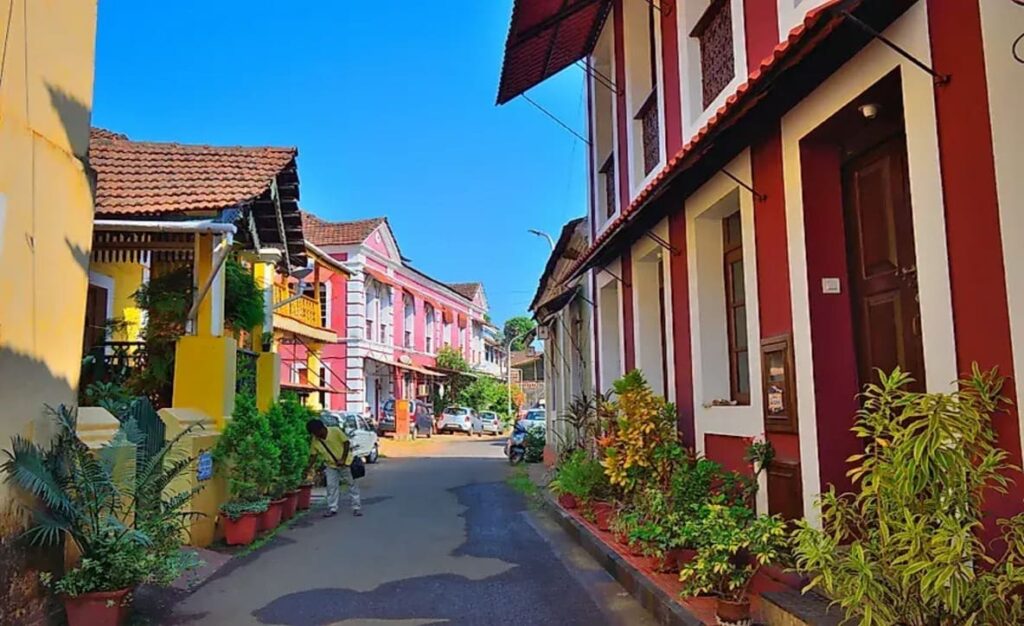
- Provision: Goa Excise Duty Act 1964
- Outcome: Leads to lower alcohol prices and influences lifestyle costs
Goa’s tax differentiation is visible through its excise policy on alcohol. The state levies lower duties on alcoholic beverages when compared to most other states. This directly reduces retail prices and makes alcohol more affordable. The policy also supports the tourism sector which is a major contributor to the state economy. Over time this has shaped consumption patterns and strengthened Goa’s position as a low cost destination for such goods.
3. Maharashtra
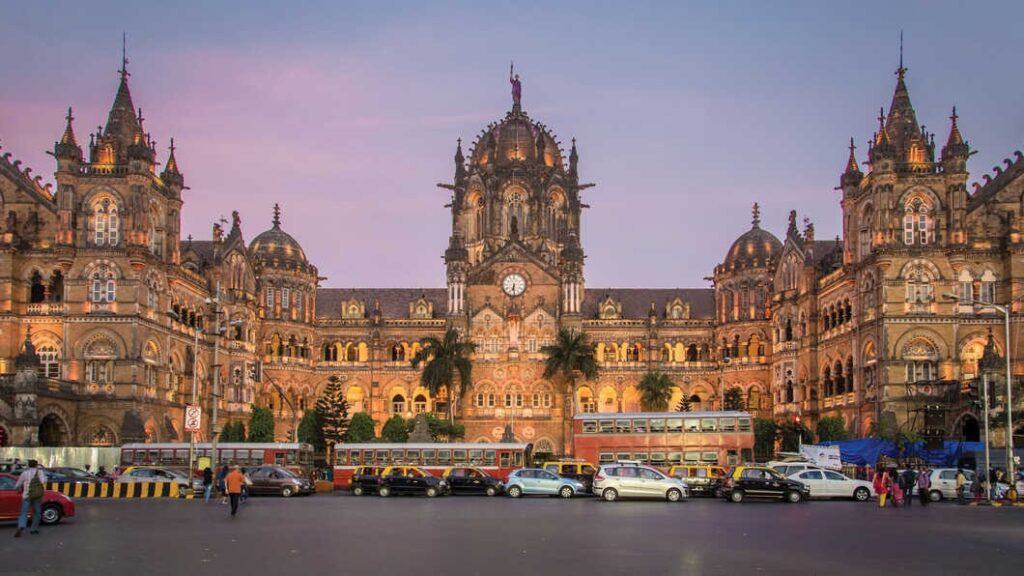
- Provision: Maharashtra State Tax on Professions Trades Callings and Employments Act 1975 and Article 276
- Outcome: Results in higher recurring deductions of up to ₹2,500 annually
Maharashtra’s high tax directly affects salaried individuals through regular deductions. Maharashtra remains India’s top GST contributor, recording ₹3.59 lakh crore in FY 2024–25, the highest among all states. Maharashtra leads India in income tax and GST collections, with the highest number of crorepati taxpayers.
4. Arunachal Pradesh
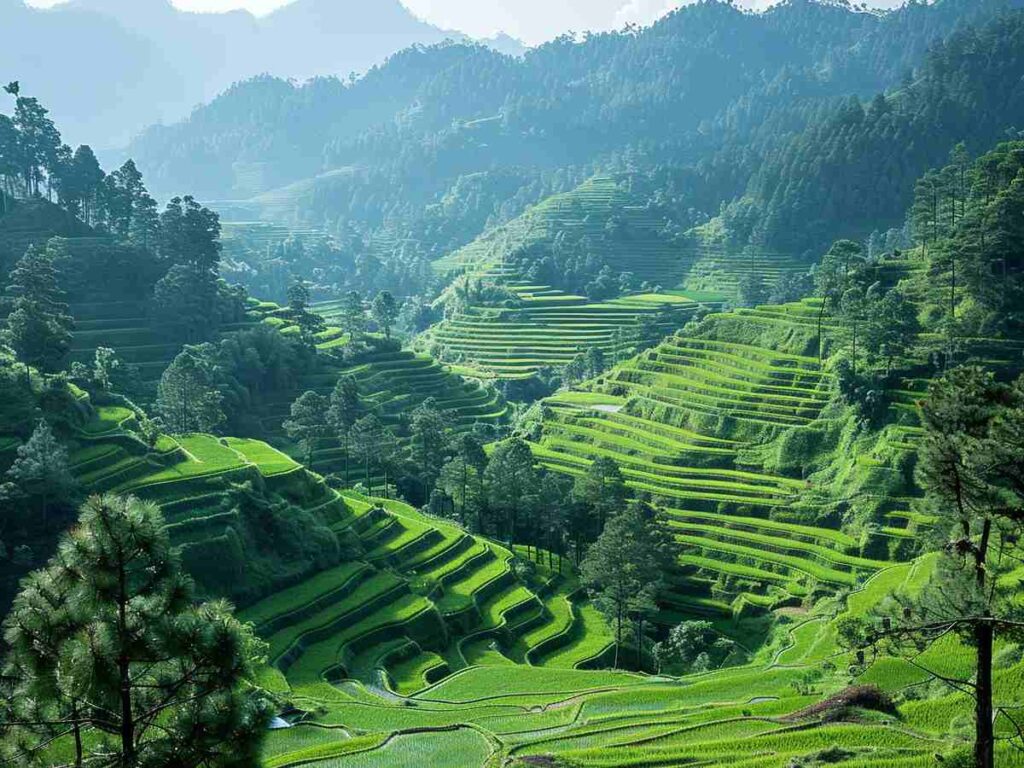
- Provision: Section 10(26) of the Income-tax Act 1961
- Outcome: It provides tax relief to individuals under specific criteria
This green meadow provides income tax exemptions to Scheduled Tribe individuals who reside and earn within a designated area. This exemption shows the intent to provide economic support to tribal communities. The benefit is limited to individuals and does not extend to companies or firms. The rule creates a distinction between personal income and business income within the same region.
Also read: 7 Indian States Where Non-Locals Cannot Buy Property – Is Yours on the List?
5. Nagaland

- Provision: Section 10(26) of the Income-tax Act 1961 and Article 371A
- Outcome: It helps in reducing income tax liability for eligible ones
Nagaland operates under a combination of constitutional protections and tax exemptions. The scheduled Tribe (ST) individuals are eligible for income tax relief under conditions. These provisions help in reducing direct tax burden for their residents. At the same time the state retains autonomy in certain governance matters. This creates a system where tax treatment differs from the national norm.
6. Mizoram

- Provision: Mizoram Professions Trades Callings and Employments Taxation Act and Article 276
- Outcome: It broadens the taxable base
Mizoram follows a distinct professional tax structure. The tax applies at relatively lower income levels when compared to several other states. This increases the number of individuals who fall within the tax net. The structure ensures a broader contribution base and strengthens state level revenue collection.
7. Manipur

- Provision: Manipur Professions Trades Callings and Employments Taxation Act and Article 276
- Outcome: It changes payment cycles and affects financial planning
Manipur follows a different approach to professional tax collection. The tax is collected annually instead of monthly. This shifts the system from a regular deduction model to a single payment structure. It changes how individuals manage tax obligations during the year.
8. Meghalaya

- Provision: Meghalaya Professions Trades Callings and Employments Taxation Act and Article 276
- Outcome: More complexity to tax computation and compliance
Meghalaya has a professional tax system with multiple narrowly defined income slabs. This structure increases the complexity of tax calculation. Employers and payroll systems require greater accuracy to ensure compliance. Even though the tax amount may not be very high the administrative effort is higher.
9. Himachal Pradesh
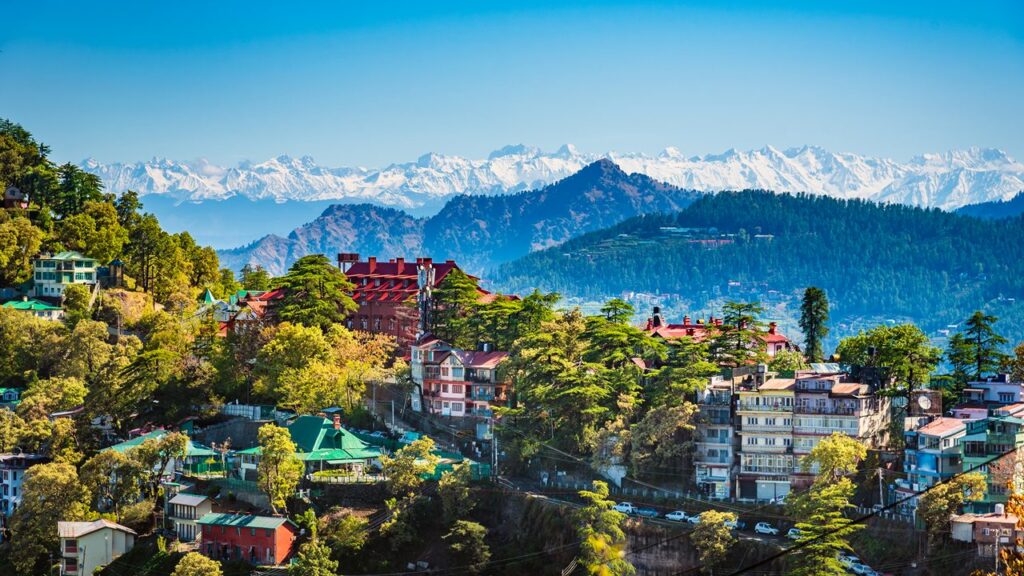
With the lowest road tax in India, Himachal Pradesh is the cheapest state to own a car. On cars with up to 1000 cc engines, this state levies a tax of a mere 2.5 percent, and for cars with larger engines, the road tax is 3 percent.
Comparative Overview of State-Level Tax Variations
| State | Tax Type | Unique Feature | What This Offer |
| Sikkim | Income Tax | Full exemption for eligible residents | You may legally pay zero income tax if eligible |
| Goa | Excise Duty | Lower tax on alcohol | Everyday spending on alcohol is significantly lower |
| Maharashtra | Professional Tax | Higher slab based deductions | Your monthly salary sees higher deductions |
| Arunachal Pradesh | Income Tax | Exemption for Scheduled Tribe individuals | Eligible individuals may avoid income tax entirely |
| Nagaland | Income Tax | Similar Scheduled Tribe exemptions | Lower tax burden for eligible residents |
| Mizoram | Professional Tax | Lower threshold for applicability | More people are required to pay professional tax |
| Manipur | Professional Tax | Annual collection system | You pay tax in one go instead of monthly |
| Meghalaya | Professional Tax | Multiple narrow slabs | Salary calculations and compliance become more complex |
| Karnataka | Professional Tax | Strict enforcement | Delays or errors can lead to penalties |
Conclusion
India’s tax system is not fully uniform in practice but it doesn’t mean that the constitution has favouritism. What it is actually trying to do is to have a taxation throughout the nation where the necessary exemptions sgou;d be provided if met the conditions.
State specific provisions and constitutional protections create important differences in how taxes are applied. These variations affect both individuals and businesses across regions altogether. Thus when you understand these differences it directly or indirectly helps in financial planning and compliance. As mobility increases and work becomes more flexible, the role of state level tax differences is likely to become more relevant.
Written by Kenbi Riba